
Property Damage Liability Coverage — Wisconsin
Free to compare
Wisconsin Requires Property Damage Liability Coverage
Wisconsin law requires property damage liability coverage as part of your minimum auto insurance policy. You cannot register a vehicle or legally drive without it. The state-mandated minimum is $10,000 per accident, and this requirement applies to every vehicle you own, whether you insure one car or five on the same policy.
Households managing multiple vehicles often assume each car carries its own separate property damage limit. The structural reality: your policy's property damage limit is a per-accident cap, not a per-vehicle amount. When one policy covers three cars and you cause an accident in any of them, the $10,000 minimum applies to that single accident, regardless of how many vehicles sit on the policy.
“The $10,000 property damage minimum is a per-accident cap — it does not multiply by the number of vehicles on your policy.”
See What Wisconsin Drivers Pay for the Coverage They Need
Get My Wisconsin Car Insurance Quote$10,000
Wisconsin Property Damage Minimum
Wisconsin Statutes require $10,000 property damage liability per accident as part of the state's minimum auto insurance policy. This is the per-accident limit, not a per-vehicle amount, and applies whether you insure one car or multiple vehicles under the same policy.
Wisconsin Department of Transportation, Division of Motor Vehicles
How the Per-Accident Limit Works Across Multiple Vehicles
The $10,000 property damage limit is the maximum your insurer pays for property you damage in a single accident. The limit does not multiply by the number of vehicles on your policy.
This structure matters when you add a second or third vehicle. A household with three cars on one policy still has one $10,000 property damage limit per accident. The policy does not provide $10,000 per car.
Carriers writing multi-vehicle policies in Wisconsin typically offer higher limits at the same per-accident structure: one limit applies to any accident involving any vehicle on the policy.
The $10,000 property damage minimum is a per-accident cap, not a per-vehicle amount. One accident in any insured vehicle triggers the same limit, regardless of how many cars your policy covers.
Related Articles


Why the State Minimum May Not Be Enough
The $10,000 property damage minimum was set decades ago and has not kept pace with vehicle repair costs. If you cause that accident and carry only the state minimum, you pay the difference out of pocket. Households with multiple vehicles face the same exposure on every car they insure.
Carriers writing in Wisconsin offer higher limits on the same per-accident structure, so the increase protects you regardless of which vehicle on your policy is involved in the accident. The decision to raise the limit applies to the entire policy, not to individual vehicles.
Households with significant assets — home equity, savings, retirement accounts — should consider limits well above the state minimum. If you cause an accident and damages exceed your policy limit, the injured party can pursue your personal assets to cover the shortfall. Higher limits reduce that risk without requiring you to restructure your entire policy.
15.6%
Wisconsin Uninsured Motorist Rate
Approximately 15.6% of Wisconsin motorists drive without insurance, according to 2023 data. This rate underscores the importance of carrying your own uninsured motorist coverage, which protects you when an at-fault driver has no property damage liability to pay for the damage they cause.
Insurance Information Institute, 2023
How Adding Vehicles Affects Your Property Damage Coverage
Adding a second or third vehicle to your policy does not change your property damage limit. The per-accident cap remains the same whether you insure one car or five. What does change: your premium. Each additional vehicle increases the policy's overall exposure, because more cars mean more opportunities for an at-fault accident. Carriers re-rate the entire policy when you add a vehicle, and the property damage portion of the premium adjusts to reflect the added risk.
Some households assume each car on the policy carries its own separate property damage limit. That assumption is wrong. The policy provides one limit per accident, and that limit applies regardless of which insured vehicle is involved. If you want higher protection, you raise the per-accident limit for the entire policy, not for individual vehicles.
Compare Carriers and Raise Your Limit
Wisconsin requires $10,000 property damage liability per accident, but that minimum leaves most households exposed to out-of-pocket costs in even a moderate collision. Carriers writing multi-vehicle policies in Wisconsin — including State Farm, Progressive, GEICO, American Family, and Allstate — offer higher limits at a per-accident structure that protects you regardless of which car on your policy is involved.
The premium increase is modest, and the protection eliminates most scenarios where you would pay out of pocket after an at-fault accident. Structure your coverage to protect the household, not just meet the state minimum.
What Property Damage Liability Covers
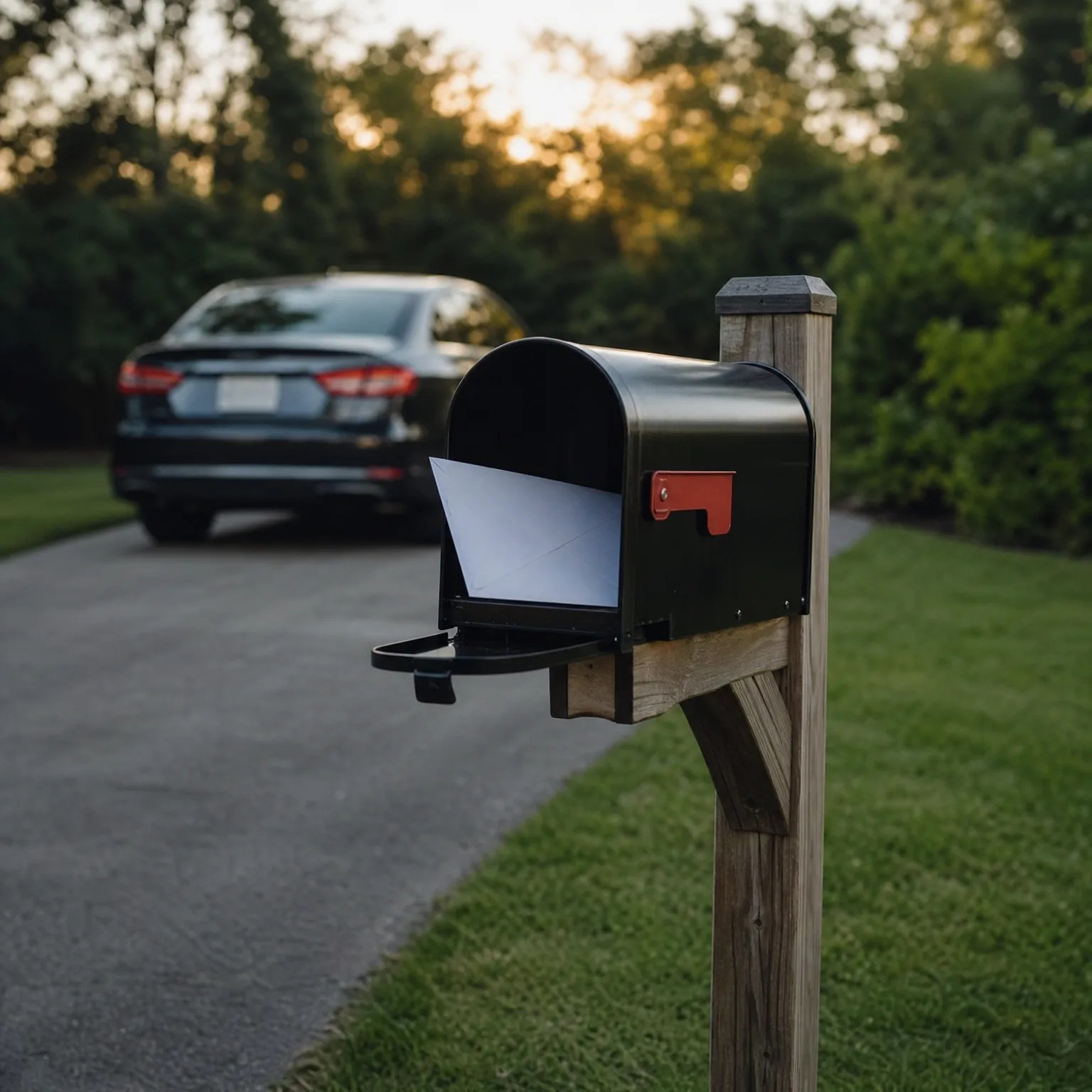
Property damage liability covers the other driver's vehicle, fences, mailboxes, buildings, and other physical property you damage in an accident where you are at fault. It does not cover your own vehicle or property. If you hit a parked car, the coverage pays to repair that car up to your policy limit. If you drive through a fence, it pays to replace the fence. The coverage applies whether you are driving or another household member listed on the policy is driving any insured vehicle.
The coverage does not pay for damage to your own car, damage you cause intentionally, or damage that occurs when an excluded driver operates the vehicle. It also does not cover injuries to other people — bodily injury liability handles that separately. Wisconsin requires both bodily injury and property damage liability as part of the minimum policy, and the two limits operate independently.
Get Your Free Quote
Get My Wisconsin Car Insurance QuoteFrequently Asked Questions
Does Wisconsin require property damage liability coverage?
Yes. Wisconsin requires $10,000 property damage liability per accident as part of the state's minimum auto insurance policy. You cannot register a vehicle or legally drive without it.
Does the property damage limit apply to each vehicle on my policy?
No. The $10,000 minimum is a per-accident limit, not a per-vehicle amount. One accident in any insured vehicle triggers the same limit, regardless of how many cars your policy covers.
What happens if I cause more than $10,000 in property damage?
Your insurer pays up to the $10,000 policy limit, and you pay the remaining amount out of pocket. The injured party can pursue your personal assets to cover the shortfall if you cannot pay.
Should I raise my property damage limit above the state minimum?
Yes, if you want to avoid out-of-pocket costs in a moderate or severe accident.
Does adding a vehicle to my policy increase my property damage limit?
No. Adding a vehicle increases your premium but does not change the per-accident property damage limit. The limit remains the same whether you insure one car or five.
What does property damage liability cover?
Property damage liability covers physical damage you cause to someone else's property in an at-fault accident — their vehicle, fences, buildings, and other structures. It does not cover your own vehicle or property.