
Car Insurance Requirements — Wisconsin
Free to compare
What Wisconsin Law Requires Before You Register
Wisconsin law requires every registered vehicle to carry liability insurance with minimum limits of $25,000 per person for bodily injury, $50,000 per accident for bodily injury, and $10,000 for property damage. The state also mandates uninsured-motorist coverage at the same limits. You cannot register a car, renew registration, or legally drive without both coverages in place.
When you insure multiple vehicles on one policy, every car on that policy must meet these minimums. If you're adding a second or third vehicle mid-term, your carrier re-rates the entire policy to confirm each vehicle carries the required coverage. Missing the uninsured-motorist mandate on even one vehicle can void coverage for the whole household at claim time.
“Wisconsin mandates uninsured-motorist coverage at the same limits as liability. A policy that omits it cannot register your vehicle.”

See What Wisconsin Drivers Pay for the Coverage They Need
Get My Wisconsin Car Insurance Quote$25,000 / $50,000 / $10,000
Wisconsin Liability Minimums
These limits apply per vehicle. A household with three cars on one policy must carry at least these amounts for each vehicle, and uninsured-motorist coverage at the same limits is mandatory statewide.
Wisconsin Department of Transportation, Division of Motor Vehicles
The Uninsured-Motorist Mandate Multi-Car Households Miss
Wisconsin is one of twelve states that require uninsured-motorist coverage by law, not as an optional add-on. The mandate applies to every vehicle on your policy. When you add a second car, your carrier automatically applies uninsured-motorist coverage to the new vehicle at the same limits as your liability coverage unless you explicitly reject it in writing.
Many drivers assume liability coverage alone satisfies state law. It does not. If you're comparing quotes across carriers and one quote looks significantly lower, check whether that carrier included uninsured-motorist coverage. A quote that omits it is not compliant with Wisconsin law, and you cannot register the vehicle with that policy.
The uninsured-motorist requirement becomes critical in a state where 15.6% of motorists drive without insurance. If an uninsured driver hits your parked car or causes a multi-vehicle accident involving two of your household's cars, uninsured-motorist coverage pays your medical bills and vehicle damage up to your policy limits. Without it, you're filing a lawsuit against someone who has no assets to collect from.
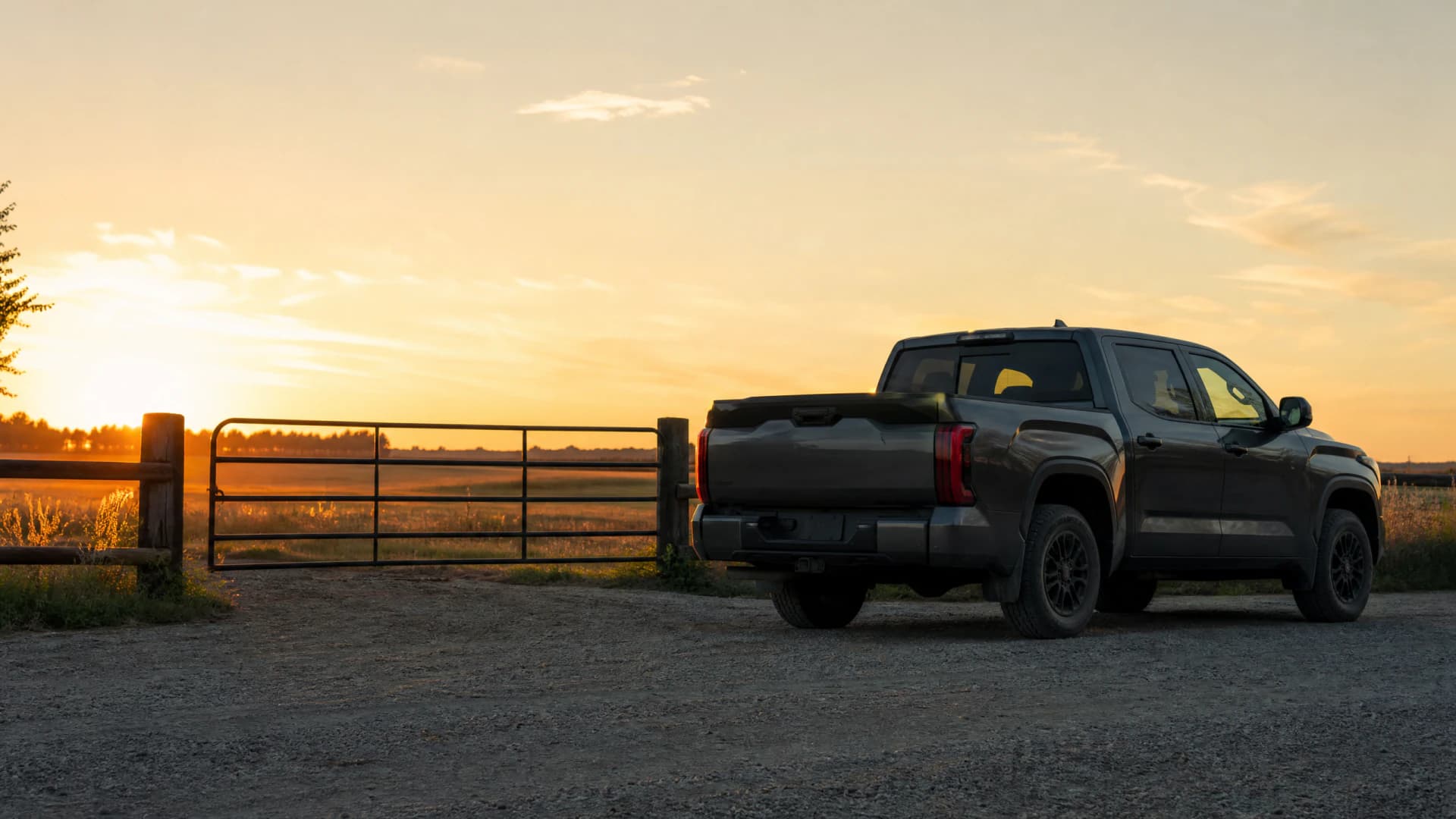
Wisconsin requires uninsured-motorist coverage at the same limits as your liability coverage. A policy that omits it cannot register your vehicle.
Related Articles


How Adding a Vehicle Changes Your Policy Structure
Wisconsin carriers re-rate your entire policy when you add a vehicle, not just the new car. The multi-car discount applies only when every vehicle sits on the same policy and shares the same garaging address. If you add a third car titled to a household member who lives at a different address, that vehicle may not qualify for the same-policy discount, and your carrier may require a separate policy.
Most carriers give you a grace period to report a newly-purchased vehicle before coverage lapses. That period ranges from 14 to 30 days depending on the carrier. If you buy a second car and do not report it within the grace window, the new vehicle is not covered, and a claim on that car will be denied even if you're paying premiums on your existing policy.
When you add a vehicle mid-term, your carrier recalculates your premium based on the combined risk of all vehicles on the policy. A household with two sedans adding a third high-value SUV will see a larger premium increase than a household adding a third sedan of similar value to the first two. The increase is not simply the cost of insuring the new vehicle in isolation; it reflects the re-rated risk of the entire household's fleet.
15.6%
Wisconsin Uninsured Motorist Rate
More than one in seven drivers on Wisconsin roads carries no insurance. Uninsured-motorist coverage protects your household when one of those drivers causes an accident involving any of your vehicles.
Insurance Information Institute, 2023

Minimum Coverage Versus Full Coverage Across Multiple Vehicles
Minimum coverage in Wisconsin means liability and uninsured-motorist coverage at state-required limits. Full coverage adds collision and comprehensive, which pay for damage to your own vehicles regardless of fault. When you insure multiple cars, the decision to carry full coverage on each vehicle depends on the value of each car, not the household's total vehicle value.
A household with three vehicles might carry full coverage on the two newer cars and minimum coverage on an older car worth less than the annual cost of collision and comprehensive premiums. That structure is common and compliant with Wisconsin law, as long as every vehicle on the policy meets the liability and uninsured-motorist minimums. Your carrier prices each vehicle's collision and comprehensive coverage separately based on that vehicle's value, age, and theft risk in your ZIP code.
Compare Carriers That Write Multi-Vehicle Policies in Wisconsin
Wisconsin has 25 carriers writing auto insurance statewide, and not all of them offer competitive multi-car discounts or accept households with more than three vehicles on one policy. When you're structuring coverage across multiple cars, compare quotes from carriers that specialize in multi-vehicle households: State Farm, Geico, Progressive, Allstate, and American Family all write policies covering four or more vehicles in Wisconsin and apply the multi-car discount automatically when every vehicle shares the same garaging address.
Request quotes that include uninsured-motorist coverage at the same limits as your liability coverage. A quote that omits it is not compliant with Wisconsin law. Confirm with each carrier how they handle mid-term vehicle additions, what their grace period is for reporting a new vehicle, and whether they require a separate policy for a vehicle garaged at a different address. Those details determine whether a carrier's quoted rate remains accurate when you add a second or third car six months into the policy term.
Proof of Insurance Wisconsin Accepts
When you're pulled over, Wisconsin law allows you to show proof of insurance on your phone. The officer can verify coverage electronically through the state's database, which your carrier updates in real time when you add or remove a vehicle. If you cannot produce proof at the stop, you have 48 hours to provide it to the officer or the court, or you face a forfeiture penalty.
When you register a vehicle at the DMV, the clerk verifies insurance electronically before issuing plates. If you're adding a second vehicle to an existing policy, confirm with your carrier that the new vehicle appears in the state database before you go to the DMV. A vehicle added mid-term but not yet reported to the state database will be rejected at registration, even if your carrier has already billed you for it.
Get Your Free Quote
Get My Wisconsin Car Insurance QuoteFrequently Asked Questions
What are the minimum car insurance requirements in Wisconsin?
Wisconsin requires $25,000 per person and $50,000 per accident for bodily injury liability, $10,000 for property damage liability, and uninsured-motorist coverage at the same limits. Every registered vehicle must carry all four coverages.
Does Wisconsin require uninsured motorist coverage?
Yes. Wisconsin mandates uninsured-motorist coverage at the same limits as your liability coverage. You cannot register a vehicle without it, and a policy that omits it is not compliant with state law.
Can I show proof of insurance on my phone in Wisconsin?
Yes. Wisconsin accepts electronic proof of insurance. If you cannot produce proof when pulled over, you have 48 hours to provide it to the officer or court to avoid a forfeiture penalty.
How long do I have to add a new car to my Wisconsin insurance policy?
Most Wisconsin carriers give you 14 to 30 days to report a newly-purchased vehicle. If you do not report it within the grace period, the new vehicle is not covered and a claim will be denied.
Do all my cars need the same coverage in Wisconsin?
Every vehicle on your policy must meet Wisconsin's liability and uninsured-motorist minimums. You can carry full coverage on some vehicles and minimum coverage on others, as long as each vehicle meets the state-required limits.
What happens if I add a car to my policy mid-term in Wisconsin?
Your carrier re-rates your entire policy when you add a vehicle mid-term. The premium increase reflects the combined risk of all vehicles on the policy, not just the cost of insuring the new car in isolation.