
Minimum Car Insurance Requirements — Wisconsin
Free to compare
What Wisconsin Law Actually Requires
Wisconsin law requires every registered vehicle to carry liability insurance with minimum limits of $25,000 per person for bodily injury, $50,000 per accident for bodily injury, and $10,000 per accident for property damage. The state also mandates uninsured motorist coverage at the same $25,000/$50,000/$10,000 limits unless you reject it in writing. These requirements apply to every vehicle you register, whether you own one car or five.
When you insure multiple vehicles on one policy, the liability and uninsured motorist limits apply to the entire policy, not per vehicle. A household with three cars on one policy carrying $25,000/$50,000/$10,000 liability satisfies the state mandate for all three vehicles. You do not need to multiply the minimums by the number of cars you own. Many drivers assume each vehicle needs its own set of limits and overpay as a result.
“One shared liability limit and one shared uninsured motorist limit satisfy Wisconsin's mandate for every vehicle on a multi-car policy.”

See What Wisconsin Drivers Pay for the Coverage They Need
Get My Wisconsin Car Insurance Quote$25,000/$50,000/$10,000
Wisconsin Liability Minimums
These are the lowest limits you can carry and remain legal. The first number covers bodily injury per person, the second covers bodily injury per accident, and the third covers property damage per accident. Uninsured motorist coverage must match these limits unless you decline it in writing.
Wisconsin Department of Transportation
How the Uninsured Motorist Mandate Works Across Multiple Vehicles
Wisconsin requires uninsured motorist coverage on every policy unless you explicitly reject it. The coverage protects you when an at-fault driver has no insurance or insufficient limits to cover your injuries. Because 15.6% of Wisconsin drivers are uninsured, the state treats this coverage as a default rather than an option.
On a multi-car policy, one uninsured motorist limit covers every vehicle and every household member listed on the policy. You do not need separate UM limits for each car. A single $25,000/$50,000 UM limit satisfies the mandate for a household with two, three, or four vehicles on the same policy. Some carriers write per-vehicle UM endorsements by default; if you see UM listed separately for each car on your declarations page, ask whether a single shared limit would meet the requirement and lower your premium.
If you reject uninsured motorist coverage, you must sign a written waiver each time you renew or add a vehicle. The rejection applies to the entire policy. You cannot reject UM on one vehicle and keep it on another when both sit on the same policy.
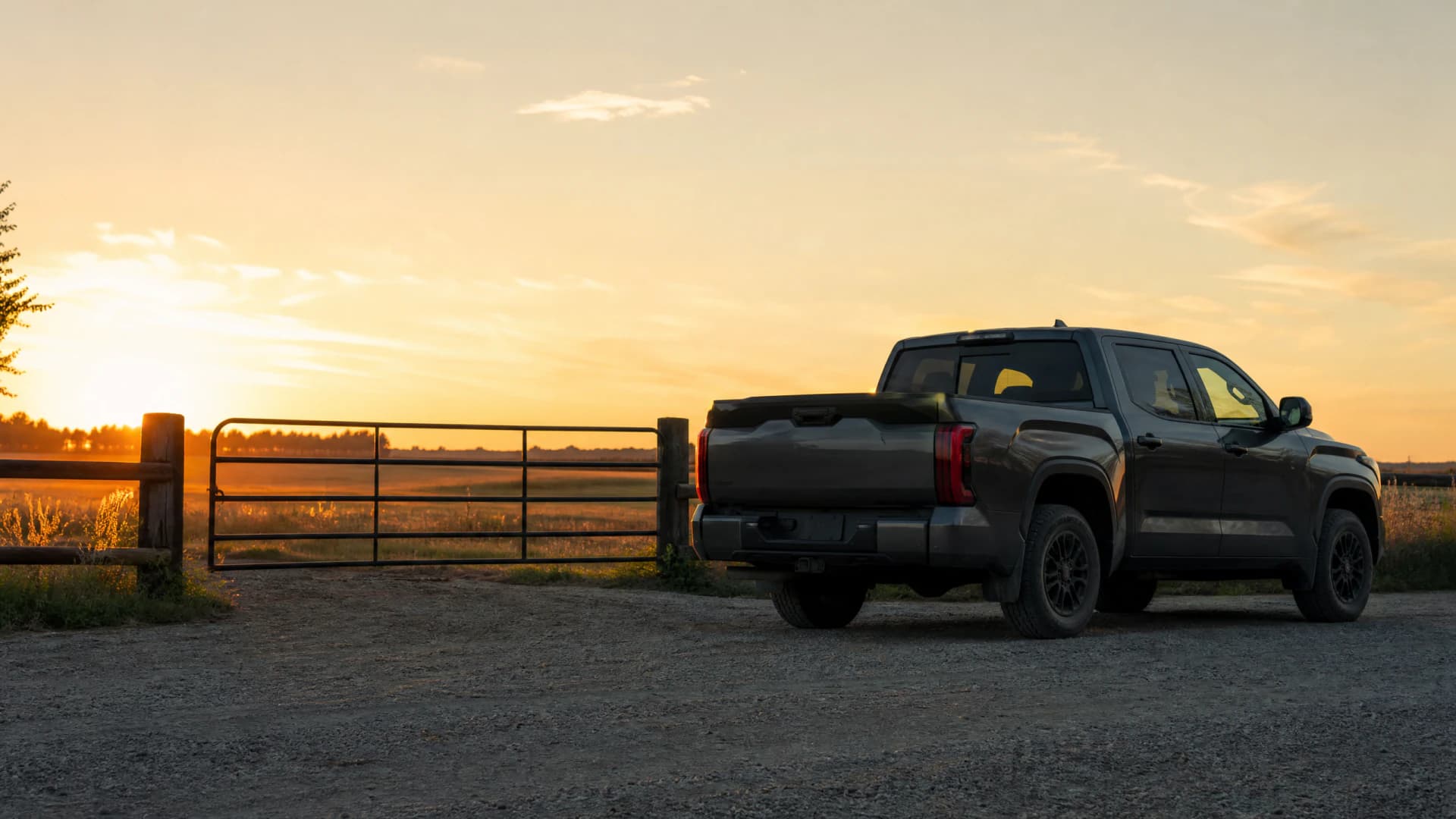
A multi-car policy with one shared liability limit and one shared uninsured motorist limit satisfies Wisconsin's mandate for every vehicle on that policy. Separate per-vehicle limits are not required.
Related Articles


Penalties for Driving Without Insurance
Wisconsin suspends your registration and license plates if the DMV discovers you are driving without insurance. Processing takes approximately 2 business days after the DMV receives your proof and payment.
The court may also suspend your license for up to two years. These penalties apply per vehicle. A household with three uninsured cars cited on the same day faces three separate forfeitures.
When your insurance lapses on a multi-car policy, every vehicle on that policy loses coverage simultaneously. Wisconsin does not distinguish between the car you drive daily and the car that sits in your driveway. If the DMV flags one uninsured vehicle, it suspends the registration for all vehicles tied to your name until you restore coverage and pay the reinstatement fee for each one.
15.6%
Wisconsin Uninsured Motorist Rate
More than one in seven drivers on Wisconsin roads carries no insurance. The state's uninsured motorist mandate exists because this rate is high enough to create financial risk for insured drivers who are hit by someone with no coverage.
Insurance Information Institute, 2023

Minimum Coverage vs Full Coverage on a Multi-Car Policy
Minimum coverage means liability and uninsured motorist only. It pays for damage you cause to others, not damage to your own vehicles. Full coverage adds collision and comprehensive, which pay to repair or replace your cars after an accident, theft, weather damage, or vandalism. On a multi-car policy, you can mix coverage levels: carry full coverage on a financed vehicle and minimum coverage on an older paid-off car.
Lenders require full coverage on financed and leased vehicles. If you drop collision or comprehensive on a car with an outstanding loan, the lender will force-place insurance at a much higher cost and add it to your loan balance. When you own multiple vehicles and one is financed, structure your policy so the financed car carries full coverage and the others carry only the state-required minimums if their value does not justify the additional premium.
Compare Carriers That Write Multi-Car Policies in Wisconsin
Wisconsin licenses 25 carriers that write multi-car policies for standard-risk households. Rates vary significantly by carrier, even when every household member has a clean driving record. Some carriers offer a multi-car discount that lowers the per-vehicle premium when you insure two or more cars on one policy. The discount structure and the base rate both matter: a smaller discount on a lower base rate often beats a larger discount on a higher one.
Request quotes from at least three carriers and compare the total annual premium for all vehicles combined, not the per-vehicle breakdown. Confirm that the quote includes uninsured motorist coverage at the state-required limits unless you plan to reject it. When you add or remove a vehicle mid-term, the carrier re-rates the entire policy. The premium change is not simply the cost of the added car; it reflects the new household risk profile and any discount tier shifts triggered by the vehicle count change.
What Counts as Proof of Insurance in Wisconsin
Your insurance card must display your name, the policy number, the vehicle identification number, the policy effective and expiration dates, and the name of the insurance company. When you add a vehicle to an existing multi-car policy, your carrier issues an updated card showing the new vehicle. Keep the updated card accessible on your phone or in the vehicle. Officers and DMV clerks will not accept an expired card or a card that does not list the vehicle you are driving.
When you register a vehicle, the Wisconsin DMV electronically verifies your insurance through a database shared with licensed carriers. If the database shows no active policy for the VIN you are registering, the DMV will not issue plates. Multi-car households registering a second or third vehicle must confirm the new car appears on the policy before visiting the DMV. Adding a vehicle mid-term triggers an immediate update to the carrier's database; there is no grace period for registration purposes.
Get Your Free Quote
Get My Wisconsin Car Insurance QuoteFrequently Asked Questions
Do I need separate insurance for each car I own in Wisconsin?
No. Wisconsin allows you to insure multiple vehicles on one policy. A single liability limit and a single uninsured motorist limit cover every car on that policy. You do not need separate policies or separate limits for each vehicle.
What happens if I let my insurance lapse on one car in a multi-car household?
When insurance lapses on a multi-car policy, every vehicle on that policy loses coverage simultaneously.
Can I reject uninsured motorist coverage in Wisconsin?
Yes. You must sign a written waiver each time you renew or add a vehicle. The rejection applies to the entire policy. You cannot reject uninsured motorist coverage on one vehicle and keep it on another when both are on the same policy.
Does Wisconsin accept electronic proof of insurance?
Yes. Wisconsin accepts a digital insurance card displayed on your phone during a traffic stop, at vehicle registration, or after an accident. The card must show your name, policy number, VIN, effective and expiration dates, and the carrier's name.
How much does it cost to reinstate my registration after driving without insurance in Wisconsin?
Processing takes approximately 2 business days after the DMV receives proof of insurance and payment.
Can I carry full coverage on one car and minimum coverage on another in Wisconsin?
Yes. On a multi-car policy, you can assign different coverage levels to different vehicles. Lenders require full coverage on financed cars, but you can carry only liability and uninsured motorist on older paid-off vehicles if their value does not justify the additional premium.