
Liability Coverage Limits — Wisconsin
Free to compare
Why Liability Limits Matter More for Multi-Vehicle Households
You insure two or more vehicles on one Wisconsin policy, and you're trying to figure out whether the state's minimum liability limits — $25,000 per person, $50,000 per accident for bodily injury, and $10,000 for property damage — are enough. The question hits differently when your household owns multiple cars: one accident can involve more than one of your vehicles, more than one driver on your policy, and multiple injured parties whose claims all draw from the same per-accident cap.
Wisconsin's 25/50/10 structure sets a ceiling, not a floor you can count on. The $25,000-per-person limit applies to each claimant you injure. The $50,000-per-accident cap is the maximum your liability coverage pays for all bodily injury claims combined in a single collision, regardless of how many people are hurt. When your household operates three cars and one driver causes a multi-vehicle crash, those limits can disappear in minutes — and anything beyond them comes out of your household's assets.
“Your liability limits apply to your entire policy — one accident involving any vehicle can exhaust the cap for your whole household.”

See What Wisconsin Drivers Pay for the Coverage They Need
Get My Wisconsin Car Insurance Quote$25,000
Wisconsin Per-Person Bodily Injury Minimum
Wisconsin Statutes require $25,000 minimum coverage per person injured, $50,000 per accident total for bodily injury, and $10,000 for property damage. A household with multiple vehicles on one policy shares these same limits across every car and driver.
Wisconsin Statutes, state minimum liability requirements
What Wisconsin's Minimums Actually Cover
Wisconsin's minimum liability limits break into three components: $25,000 per person for bodily injury, $50,000 per accident for all bodily injury claims combined, and $10,000 for property damage per accident. The per-person limit caps what your policy pays to any single injured claimant. The per-accident limit caps the total your insurer pays for all injury claims arising from one collision, no matter how many people are hurt. The property damage limit covers the other driver's vehicle and any other property you damage — fences, mailboxes, storefronts.
These minimums apply to your entire policy, not per vehicle. If your household insures three cars and one of them causes an accident, the $50,000 per-accident cap covers all injury claims from that collision. The property damage minimum of $10,000 often falls short when the other vehicle is a newer SUV or truck; repair or replacement costs for a 2020 or later model frequently exceed that amount.
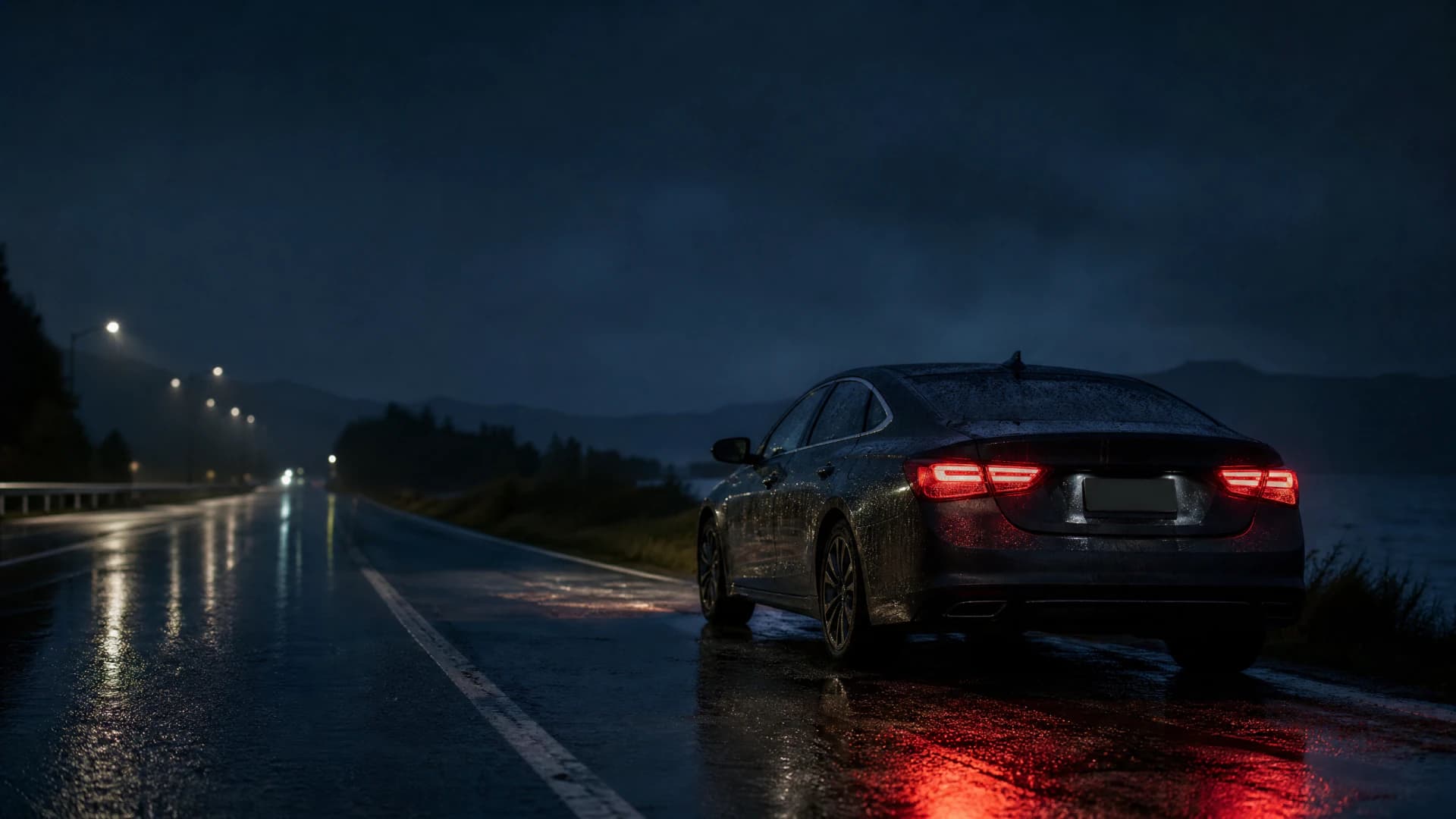
Your household's liability exposure compounds when multiple vehicles share one policy — one accident can produce claims that exhaust the per-accident cap, leaving your assets exposed.
Related Articles
Comparing Limits Across Wisconsin Carriers
Wisconsin carriers price liability limits differently, and the gap between minimum coverage and higher limits varies by insurer. Some carriers charge a steep jump from 25/50/10 to 50/100/50, while others price 100/300/100 only slightly higher than the state minimum. Multi-vehicle households benefit from comparing quotes at multiple limit tiers — 50/100/50, 100/300/100, and 250/500/100 — to see where the cost curve flattens.
Carriers writing Wisconsin auto insurance include State Farm, Geico, Progressive, American Family, Allstate, and others. Not every carrier offers the same limit options or prices them the same way. Some carriers bundle higher liability limits with their multi-car discount, reducing the effective cost when you insure two or more vehicles. Others price limits independently of vehicle count, making it cheaper to raise limits than to add a third car to your policy.
When comparing carriers, request quotes at the same liability limit for each. A quote at 25/50/10 from one carrier and 100/300/100 from another tells you nothing about which insurer prices your household's risk lower. Compare apples to apples: same limits, same vehicles, same drivers, same coverage selections. The carrier that wins at minimum limits often loses at higher limits, and vice versa.
15.6%
Wisconsin Uninsured Motorist Rate
Approximately 15.6% of Wisconsin motorists drive uninsured. When an uninsured driver hits your vehicle, your uninsured motorist coverage — required in Wisconsin — pays your injury claims up to your selected limits. Higher liability limits do not increase uninsured motorist protection unless you raise UM limits separately.
Insurance Research Council, 2023 uninsured motorist data
When to Raise Limits and When to Add Umbrella Coverage
Raise your auto liability limits first. Moving from 25/50/10 to 100/300/100 or 250/500/100 costs less than adding an umbrella policy and provides the foundation umbrella coverage requires. Most umbrella insurers require underlying auto liability limits of at least 250/500/100 before they'll issue a policy.
Start with higher auto limits, then add umbrella coverage if your household's asset exposure justifies it.
Structuring Liability Coverage Across Multiple Vehicles
Your liability limits apply to your entire policy, not per vehicle. You don't need to buy separate limits for each car — one set of limits covers every vehicle and every driver listed on the policy. This structure simplifies coverage but also means one accident involving any of your vehicles can exhaust the limits for your entire household.
Some households split vehicles across multiple policies to separate liability exposure — one policy for the primary drivers, another for a teen or high-risk driver. This approach can backfire: Wisconsin requires every household member with a driver's license to be listed on your policy or explicitly excluded. Excluding a driver means they have no coverage under your policy, even in an emergency. Splitting policies to isolate risk often costs more than raising limits on a single policy and adds complexity when a claim involves multiple household vehicles. Compare the cost of higher limits on one policy against the cost of maintaining two separate policies before splitting coverage.
Compare Carriers and Limits for Your Household
Wisconsin's 25/50/10 minimums meet the state's legal requirement but rarely provide enough protection for a household insuring multiple vehicles. One accident involving your cars can produce injury and property damage claims that exceed those limits quickly, leaving your household liable for the difference. Raising your liability limits to 100/300/100 or higher costs less than most households expect and directly reduces your out-of-pocket exposure after a serious collision. Compare quotes from multiple Wisconsin carriers at the same liability limits to find the insurer that prices your household's risk most competitively. Use the site's comparison tool to request quotes at 50/100/50, 100/300/100, and 250/500/100 — then decide which limit tier fits your household's asset exposure and budget.
How Higher Limits Protect Multi-Vehicle Households
Households with significant assets — home equity, retirement accounts, savings — face the greatest risk from minimum limits. Wisconsin allows injured parties to pursue your personal assets when your liability coverage runs out.
Get Your Free Quote
Get My Wisconsin Car Insurance QuoteFrequently Asked Questions
Does Wisconsin require liability insurance for every vehicle I own?
Yes. Wisconsin requires liability insurance on every registered vehicle. You must carry at least 25/50/10 limits — $25,000 per person, $50,000 per accident for bodily injury, $10,000 for property damage — on each car. Insuring multiple vehicles on one policy applies the same limits to every car.
What happens if my liability coverage isn't enough after an accident?
You pay the difference out of pocket. Wisconsin allows injured parties to pursue your assets — home equity, savings, wages — to collect the shortfall.
Do higher liability limits cost more for households with multiple cars?
Higher limits increase your premium, but the cost per vehicle often drops when you insure multiple cars on one policy. Many Wisconsin carriers offer multi-car discounts that reduce the effective cost of raising limits. Compare quotes at 100/300/100 and 250/500/100 to see the actual cost difference for your household.
Can I carry different liability limits on different vehicles?
No. Wisconsin policies apply one set of liability limits to every vehicle on the policy. If you select 100/300/100, that limit covers all your cars. You cannot assign higher limits to one vehicle and lower limits to another on the same policy.
Should I buy umbrella insurance if I have multiple vehicles?
Umbrella insurance makes sense if your household net worth exceeds your auto liability limits. Raise your auto liability to at least 250/500/100 first — most umbrella insurers require underlying limits that high before issuing a policy.
Does uninsured motorist coverage increase when I raise liability limits?
Not automatically. Uninsured motorist coverage in Wisconsin protects you when an uninsured driver hits your vehicle, but UM limits are selected separately from liability limits. If you raise liability to 100/300/100, your UM coverage stays at whatever limit you selected unless you raise it too.