
Minimum Liability Limits — Wisconsin
Free to compare
What 25/50/10 Means When You Insure Multiple Vehicles
Wisconsin requires $25,000 bodily injury per person, $50,000 bodily injury per accident, and $10,000 property damage liability on every registered vehicle. If you're managing two or more cars on one policy, those limits apply to each vehicle separately during any single accident — but they don't stack to protect your household's total assets. A two-car household with minimum coverage on both vehicles still carries only $50,000 per-accident bodily injury protection when one of those cars causes a crash.
The structural confusion: most drivers assume adding a second or third vehicle to a policy increases total liability protection proportionally. It doesn't. Each vehicle carries its own 25/50/10 floor, but the limits don't combine. If your teenager driving the family sedan causes a three-person injury accident, your $50,000 per-accident cap applies to that one incident — regardless of how many other cars sit on the same policy.
“Each vehicle carries its own 25/50/10 floor, but the limits don't combine across accidents or across cars.”
See What Wisconsin Drivers Pay for the Coverage They Need
Get My Wisconsin Car Insurance Quote$25,000
Wisconsin Bodily Injury Per Person
The minimum required coverage for injuries to any single person in an accident you cause. This limit applies per vehicle, not per household — a multi-car policy does not multiply this protection.
Wisconsin Department of Transportation
How Per-Person and Per-Accident Limits Work
The $25,000 per-person limit is the maximum your liability coverage pays for any single injured person's medical bills, lost wages, and pain-and-suffering damages. The $50,000 per-accident limit is the total your policy pays for all bodily injuries combined in one crash, regardless of how many people are hurt.
The $10,000 property damage limit covers the other driver's vehicle, fence, mailbox, or any other property you damage in the accident. It does not cover your own car — that requires collision coverage, which is optional in Wisconsin. Property damage claims escalate quickly: a modern SUV's front-end repair easily exceeds $10,000, leaving you personally liable for the difference.
Multi-car households face compounded exposure because each vehicle's limits are independent. The limits don't pool across incidents.
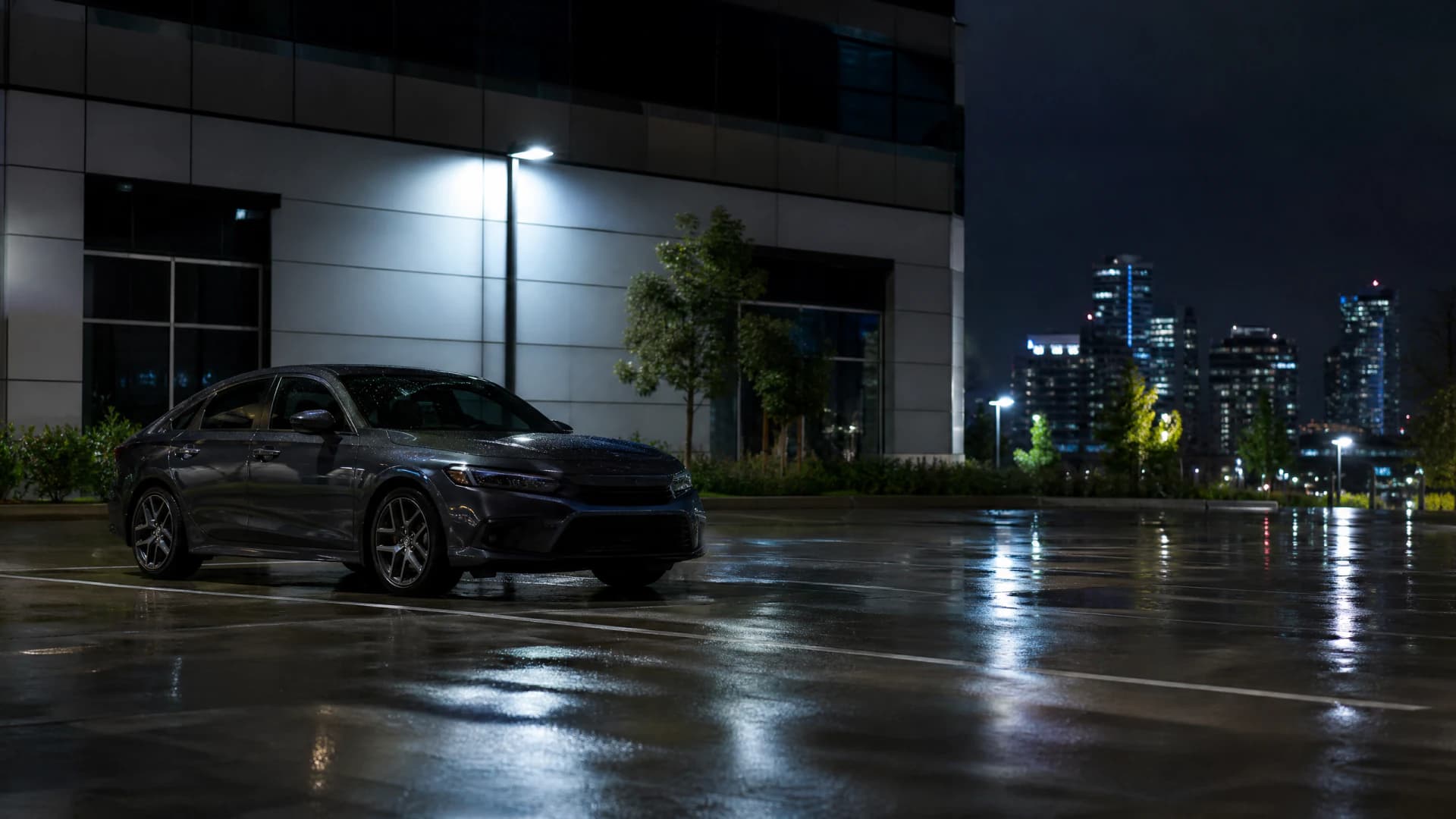
Wisconsin's minimums protect the other driver, not your household. Your assets above the $50,000 per-accident cap are exposed in every crash.


Raising Limits Across Multiple Vehicles
Carriers apply the multi-car discount to the higher-limit premium base, and the incremental cost of moving from minimum to 100/300/100 is often smaller than the discount itself. The result: a three-car household may pay less per vehicle for 100/300/100 than a single-car household pays for 25/50/10.
You can structure limits differently across vehicles on the same policy. Wisconsin does not require uniform coverage — you may carry 100/300/100 on the car your teenager drives and 25/50/10 on a rarely-driven third vehicle. This approach works when one car presents higher risk due to driver age, commute distance, or use pattern. Discuss selective-limit structuring with your carrier; not all will write mixed-limit policies, and those that do may require the highest-risk vehicle to carry the highest limits.
Uninsured motorist coverage is mandatory in Wisconsin and mirrors your liability limits unless you reject it in writing. If you carry 25/50/10 liability, your uninsured motorist coverage defaults to 25/50/10 — protecting you only up to $50,000 when an uninsured driver injures your household. Raising liability limits automatically raises uninsured motorist protection, closing both exposure gaps with one decision. Wisconsin's uninsured rate is 15.6%, meaning roughly one in six drivers on the road carries no coverage to pay your medical bills after they cause a crash.
15.6%
Wisconsin Uninsured Motorist Rate
Approximately one in six drivers in Wisconsin carries no liability insurance. Your uninsured motorist coverage is the only protection when one of them causes an accident that injures you or your household.
Insurance Information Institute, 2023
Proof of Insurance and Registration Requirements
Wisconsin requires proof of insurance at vehicle registration and during any traffic stop. Your carrier files electronic proof with the DMV when you add a vehicle to your policy, but you must carry a physical or digital insurance card in each car. Multi-car households managing several vehicles must ensure every car has current proof — an expired card in one vehicle can trigger a citation even when the policy itself is active and covers that car.
Adding a vehicle mid-term updates your policy immediately, but the DMV's electronic verification system may lag by several days. When you buy a car and add it to your existing multi-car policy, request a new insurance card for that vehicle before you drive it off the lot. Most carriers email digital cards within minutes; print or save it to your phone before the first trip. Driving without proof of insurance — even when coverage exists — is a separate violation from driving uninsured, and both can result in license suspension.
Compare Carriers That Write Multi-Vehicle Policies
Wisconsin's carrier roster includes 25 insurers that write multi-car policies with varying limit options and discount structures. Compare Wisconsin carriers that offer the limit tiers your household needs and confirm each writes the multi-car discount on higher-limit policies. Carriers including State Farm, Progressive, American Family, and Allstate write 100/300/100 and above across Wisconsin; non-standard carriers including Dairyland and Bristol West focus on minimum-limit policies and may not offer higher tiers.
Request quotes at multiple limit levels — 25/50/10, 50/100/50, 100/300/100, and 250/500/100 — to see the actual cost difference per vehicle. The jump from minimum to 100/300/100 is often smaller than the perceived risk, especially when the multi-car discount applies to the higher base. Confirm the quoted premium includes uninsured motorist coverage at the same limits; some carriers quote liability-only by default and add uninsured motorist as a separate line item.
When Minimum Limits Leave You Exposed
Medical costs in serious injury accidents routinely exceed $50,000 per person. When your liability limits are exhausted, the injured party can pursue your savings, home equity, and future wages through a personal judgment.
Property damage exposure grows with vehicle values. If that accident also injures the truck's driver, your bodily injury limits are already committed — the property damage shortfall comes directly from your assets. Multi-car households often underestimate this risk because they focus on their own vehicles' value and forget the other driver's.
Get Your Free Quote
Get My Wisconsin Car Insurance QuoteFrequently Asked Questions
Does adding a second car to my Wisconsin policy increase my total liability coverage?
No. Each vehicle on your policy carries its own liability limits, but those limits apply per accident, not per household. A two-car policy with 25/50/10 on each vehicle still pays only $50,000 maximum per accident when one car causes a crash, regardless of how many other cars are insured on the same policy.
Can I carry different liability limits on different vehicles in Wisconsin?
Yes. Wisconsin does not require uniform coverage across all vehicles on one policy. You may carry 100/300/100 on your teenager's car and 25/50/10 on a rarely-driven third vehicle. Not all carriers write mixed-limit policies, and some require the highest-risk vehicle to carry the highest limits.
What happens if I cause an accident that exceeds Wisconsin's minimum liability limits?
You are personally liable for damages above your policy limits.
Does Wisconsin require uninsured motorist coverage on multi-car policies?
Yes. Wisconsin requires uninsured motorist coverage on every vehicle unless you reject it in writing. The coverage mirrors your liability limits — if you carry 25/50/10 liability, your uninsured motorist defaults to 25/50/10, protecting you up to $50,000 when an uninsured driver injures your household.
How much does it cost to raise liability limits from 25/50/10 to 100/300/100 in Wisconsin?
The incremental cost varies by carrier, driving history, and vehicle count, but is often smaller than expected. The multi-car discount applies to the higher-limit premium base, and many three-car households pay less per vehicle for 100/300/100 than single-car households pay for minimum coverage. Request quotes at multiple limit levels to compare actual cost.
Do I need proof of insurance for every car on my Wisconsin multi-car policy?
Yes. Wisconsin requires proof of insurance in each vehicle during traffic stops and at registration. Your carrier files electronic verification with the DMV, but you must carry a physical or digital insurance card in every car. An expired card in one vehicle can trigger a citation even when the policy itself is active.