
Minimum Coverage Car Insurance — Wisconsin
Free to compare
What Wisconsin Minimum Coverage Actually Covers
Wisconsin minimum coverage is liability-only insurance that pays for damage you cause to other people and their property. It does not pay to repair or replace your own vehicles after an accident, theft, or weather damage. The state floor is $25,000 per person for bodily injury, $50,000 per accident for bodily injury, and $10,000 per accident for property damage. Wisconsin also requires uninsured motorist coverage at the same limits.
When you insure two or more vehicles, every car on your policy carries the same liability limits. Minimum coverage meets the registration requirement for each vehicle, but it leaves every car in your household uninsured for collision, comprehensive, and your own medical bills. A single at-fault accident involving one of your vehicles can exceed the $10,000 property damage limit quickly, and you pay the difference out of pocket.
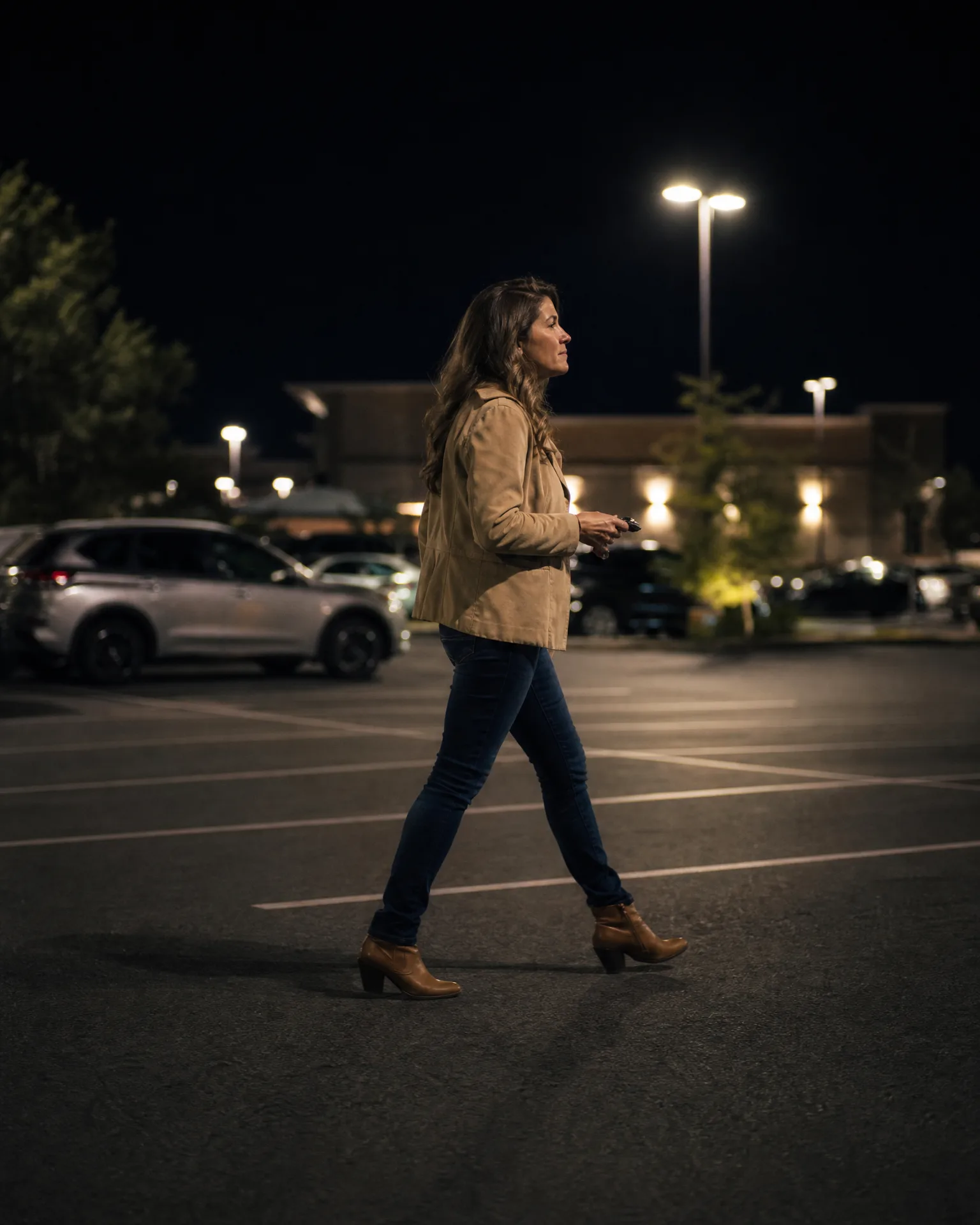
“Minimum coverage meets the registration requirement but leaves every car in your household uninsured for collision, theft, and comprehensive damage.”
See What Wisconsin Drivers Pay for the Coverage They Need
Get My Wisconsin Car Insurance Quote$25,000 / $50,000 / $10,000
Wisconsin Liability Minimums
These limits apply per accident, not per vehicle. If you cause an accident with one of your cars, the same $10,000 property damage cap applies whether you own one car or five. The limit does not multiply with your vehicle count.
Wisconsin Department of Transportation
How Minimum Coverage Works Across Multiple Vehicles
Wisconsin liability insurance follows the driver and the vehicle. When you add a second or third car to your policy, each vehicle is covered under the same liability limits you selected. The policy does not stack limits per vehicle — your $25,000/$50,000/$10,000 coverage applies to each accident, regardless of which car you were driving.
Uninsured motorist coverage is mandatory in Wisconsin at the same limits as your liability coverage. This protects you when another driver causes an accident and has no insurance or insufficient coverage. With 15.6% of Wisconsin motorists uninsured, this coverage matters for every vehicle you own.
Minimum coverage does not include collision or comprehensive coverage. If one of your vehicles is damaged in an accident you caused, hits a deer, is stolen, or is damaged by hail, you pay the full repair or replacement cost yourself. For households with multiple vehicles, this exposure multiplies — one weather event or parking-lot collision can leave you without transportation and facing repair bills for multiple cars.
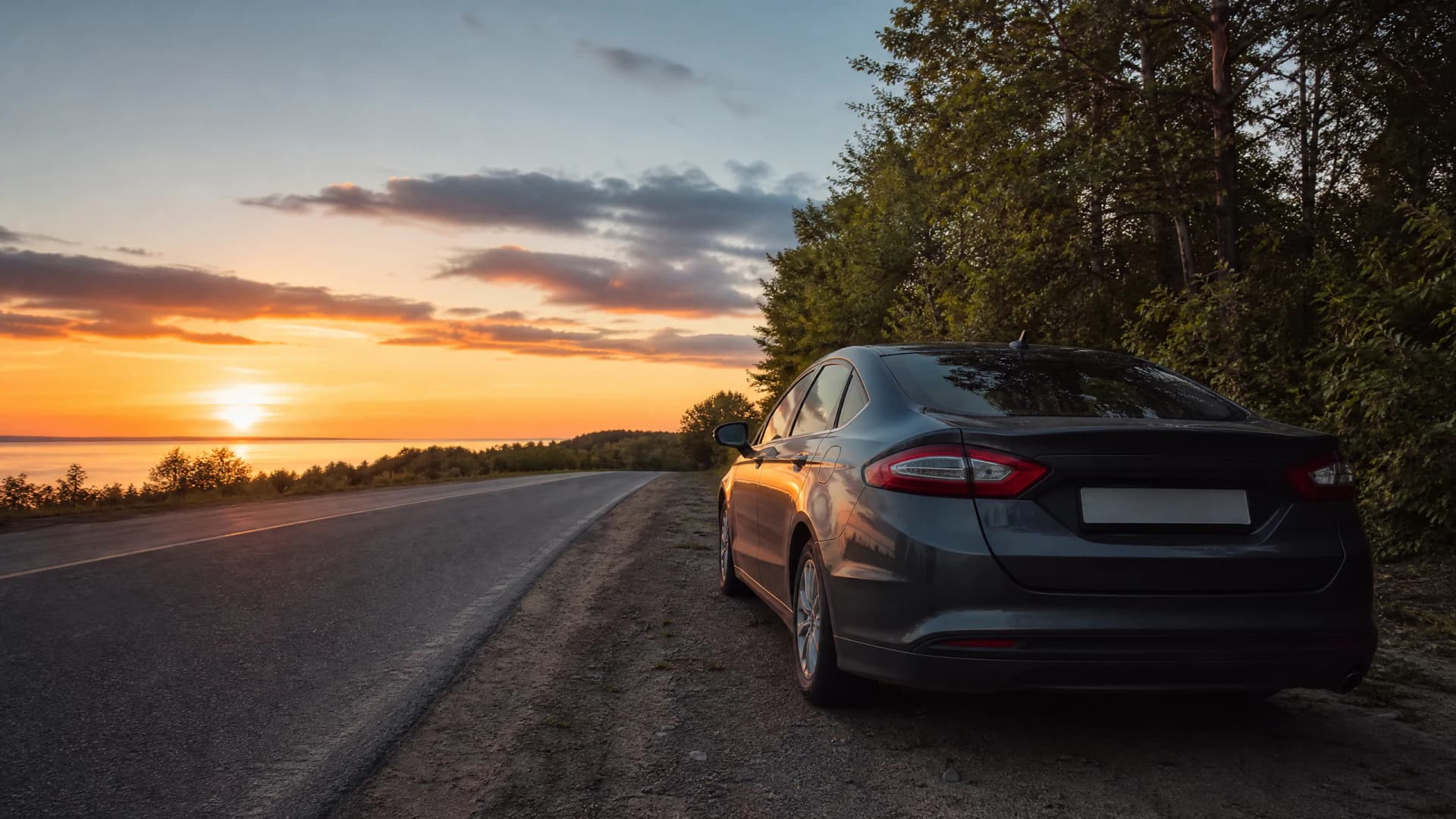
Minimum coverage protects other drivers, not your own vehicles. Every car you own sits uninsured for collision, theft, and comprehensive damage.
Related Articles


When Full Coverage Makes More Sense
Full coverage — liability plus collision and comprehensive — protects your own vehicles in addition to covering damage you cause to others. For households with financed or leased vehicles, full coverage is required by the lender. For households with newer vehicles or multiple cars worth more than a few thousand dollars each, full coverage prevents a single accident or theft from eliminating your household's transportation.
Wisconsin winters bring ice, snow, and deer collisions. Comprehensive coverage pays for deer strikes, hail damage, and theft — risks that affect every vehicle you own. Collision coverage pays to repair your car after an at-fault accident, regardless of which vehicle you were driving. If you cannot afford to replace two or three vehicles out of pocket, full coverage is the safer choice.
A multi-car policy with full coverage costs more per month than minimum coverage, but it spreads the risk across your household. Most carriers apply a multi-car discount when you insure two or more vehicles on the same policy, lowering the per-vehicle cost. The discount does not apply if you split your vehicles across separate policies or if a household member's car sits on a different policy.
15.6%
Wisconsin Uninsured Motorist Rate
Nearly one in six Wisconsin drivers carries no insurance. Uninsured motorist coverage is mandatory in Wisconsin and protects you when an at-fault driver cannot pay for the damage they caused. This coverage applies to every vehicle on your policy.
Insurance Information Institute, 2023

Structuring Coverage Across Your Vehicles
Wisconsin allows you to carry different coverage levels on different vehicles within the same policy. You can insure your daily-driver sedan with full coverage and your older pickup with minimum coverage, as long as both vehicles sit on the same policy and meet the state's liability floor. This structure works for households where one or two vehicles carry most of the household's driving exposure and the others sit as backups.
Carriers require every vehicle titled to a household member or garaged at your address to appear on your policy, even if you do not drive it regularly. You cannot exclude a vehicle to avoid premium — the carrier will discover it at renewal or after a claim and may deny coverage. If a household member owns a car titled in their name, that vehicle must either join your policy or sit on a separate policy in their name. Vehicles titled to someone outside your household do not qualify for your multi-car discount.
Compare Carriers That Write Multi-Vehicle Policies in Wisconsin
Wisconsin has 25 carriers writing auto insurance for multi-vehicle households. Carriers differ in how they calculate the multi-car discount, how they rate older versus newer vehicles, and whether they allow mixed coverage levels on the same policy. Some carriers offer better rates for households with three or more vehicles; others penalize additional cars after the second one.
Start by confirming which carriers write policies in your county and whether they allow you to mix minimum and full coverage across your vehicles. Request quotes that reflect your actual household — the number of vehicles, their ages and values, and which drivers operate which cars. The multi-car discount applies only when every vehicle sits on the same policy, so splitting vehicles across policies to save premium usually costs more once you lose the discount. Compare the total household premium, not the per-vehicle cost, to see which carrier fits your fleet.
When Minimum Coverage Fits Multi-Vehicle Households
If you own two or three older cars and can replace them out of pocket, minimum coverage keeps you legal without paying for coverage that would not cover replacement anyway. Wisconsin does not require collision or comprehensive coverage on any vehicle, even financed ones, though lenders require it.
Minimum coverage also fits households where one or more vehicles sit unused most of the year — a classic car garaged for winter, a third vehicle driven only occasionally, or a backup car kept for emergencies. These vehicles still need liability coverage to stay registered, but adding collision and comprehensive to a rarely-driven car costs more than the risk justifies. You can carry minimum coverage on the rarely-driven vehicle and full coverage on your daily drivers.
Get Your Free Quote
Get My Wisconsin Car Insurance QuoteFrequently Asked Questions
Does Wisconsin require collision and comprehensive coverage?
No. Wisconsin requires only liability coverage at $25,000/$50,000/$10,000 and uninsured motorist coverage at the same limits. Collision and comprehensive are optional unless your lender requires them. Minimum coverage meets the state's legal floor but does not cover damage to your own vehicles.
Can I insure multiple cars with different coverage levels in Wisconsin?
Yes. Wisconsin allows you to carry full coverage on one vehicle and minimum coverage on another, as long as both sit on the same policy and meet the state's liability minimums. This works for households where one car is newer or financed and the others are older or rarely driven.
Does the multi-car discount apply if I carry minimum coverage?
Yes. The multi-car discount applies when you insure two or more vehicles on the same policy, regardless of whether you carry minimum or full coverage. The discount lowers your total premium, but it does not change the coverage each vehicle carries.
What happens if I cause an accident and only have minimum coverage?
Your liability coverage pays up to $25,000 per person, $50,000 per accident for bodily injury, and $10,000 for property damage to the other driver. If the damage exceeds those limits, you pay the difference out of pocket. Your own vehicle is not covered — you pay to repair or replace it yourself.
Do I need SR-22 to carry minimum coverage in Wisconsin?
No. SR-22 is a certificate your carrier files with the Wisconsin DMV to prove you carry insurance after certain violations. You can carry minimum or full coverage with an SR-22 — the filing proves you meet the state's liability floor, not that you carry additional coverage.
How does uninsured motorist coverage work with multiple vehicles?
Wisconsin requires uninsured motorist coverage at the same limits as your liability coverage. The coverage applies per accident, not per vehicle. If an uninsured driver hits one of your cars, your uninsured motorist coverage pays up to your policy limits, regardless of how many vehicles you own.