
Cheap Full Coverage Car Insurance — Wisconsin
Free to compare
You Need Full Coverage for Multiple Cars Without Overpaying
You own or lease two or more vehicles in Wisconsin and need full coverage on each: liability to meet the state's $25,000 per person, $50,000 per accident, and $10,000 property damage minimums, plus collision and comprehensive to protect the vehicles themselves. You've heard that insuring multiple cars on one policy saves money through the multi-car discount, but you're not sure whether your household qualifies, how much the discount actually reduces your premium, or whether splitting vehicles across separate policies might cost less in some situations.
This article walks through how Wisconsin's multi-car discount works, what carriers require to apply it, and how to structure your policy so every vehicle gets the coverage it needs at the lowest combined cost. You'll see which household situations qualify, which don't, and what to do when standard advice doesn't fit your vehicle mix.
“A vehicle titled outside your household or garaged elsewhere disqualifies the entire policy from the multi-car discount at most Wisconsin carriers.”

See What Wisconsin Drivers Pay for the Coverage They Need
Get My Wisconsin Car Insurance Quote$25,000/$50,000/$10,000
Wisconsin Liability Minimums
Wisconsin law requires every driver to carry at least $25,000 bodily injury per person, $50,000 bodily injury per accident, and $10,000 property damage liability. Full coverage adds collision and comprehensive on top of these minimums, protecting your vehicles against damage and theft.
Wisconsin Department of Transportation
The Multi-Car Discount Requires Every Vehicle on One Policy
The multi-car discount applies when you insure two or more vehicles on a single auto insurance policy. Carriers reduce the combined premium because administering one policy for multiple vehicles costs them less than writing separate policies for each car. The discount typically appears as a percentage reduction on each vehicle's premium after the first, or as a flat credit applied to the total policy cost.
Wisconsin carriers that write multi-car policies — including Allstate, American Family, Geico, Progressive, State Farm, and USAA — require every vehicle to be titled or registered to the same household and garaged at the same address. If one car is titled to you and another to a household member living at a different address, or if a vehicle is garaged elsewhere for work or school, the carrier may deny the multi-car discount or require separate policies.
Full coverage on a multi-car policy means each vehicle carries liability at or above Wisconsin's minimums, plus collision with a deductible you choose and comprehensive with its own deductible. You can select different coverage limits and deductibles for each vehicle on the same policy, but every car must meet the carrier's underwriting rules to stay on the shared policy and qualify for the discount.
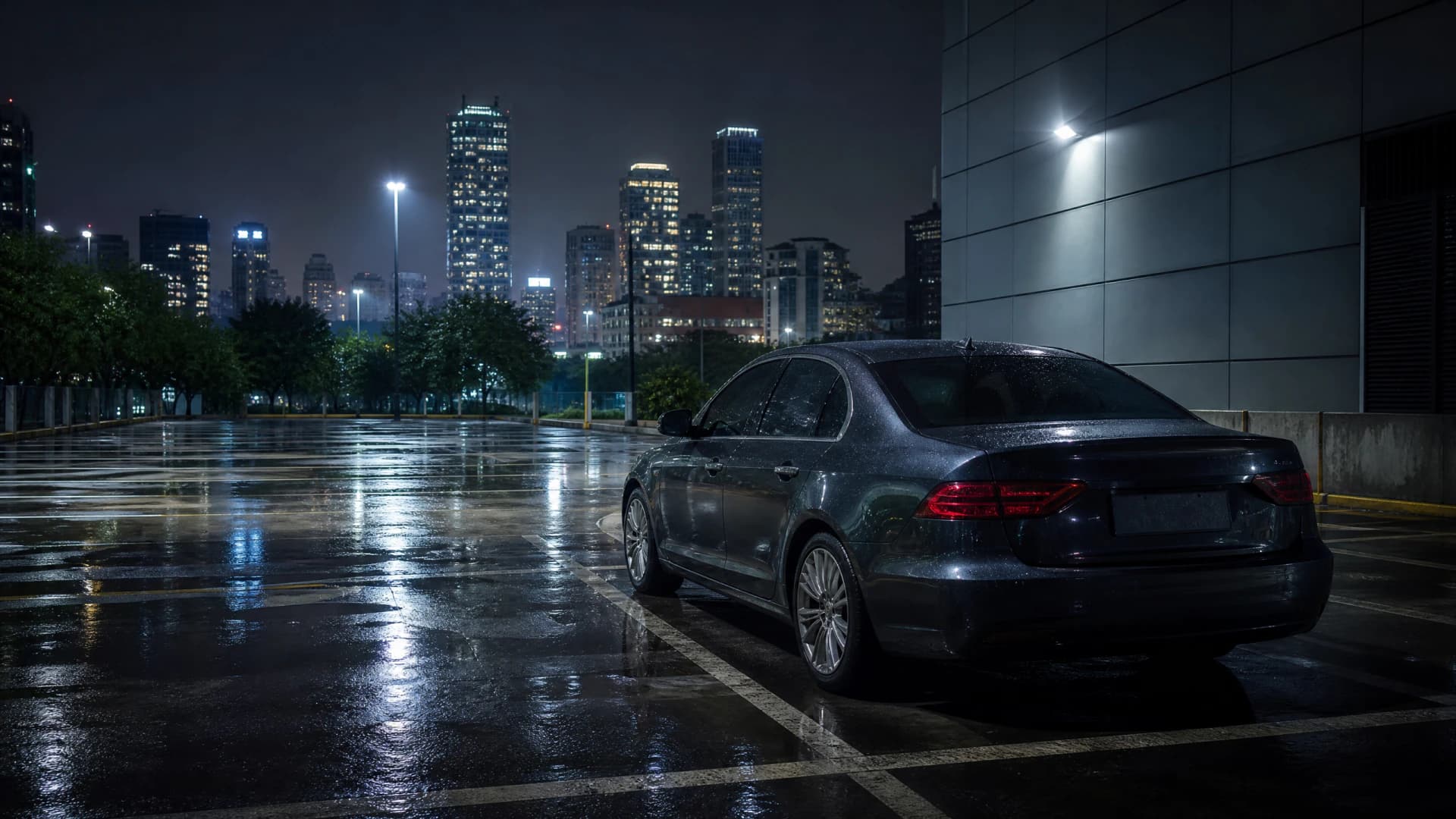
A vehicle titled to someone outside your household or garaged at a separate address disqualifies the entire policy from the multi-car discount at most carriers.
Related Articles


When Adding a Vehicle Mid-Term Re-Rates the Entire Policy
Adding a vehicle to an existing Wisconsin multi-car policy mid-term does not simply add a flat amount to your premium. The carrier re-rates the entire policy: it recalculates the premium for every vehicle based on current rates, your updated driving record, and the new vehicle's characteristics. If rates have increased since your last renewal, or if the new vehicle is more expensive to insure than the cars already on the policy, your total premium may jump more than you expect.
Wisconsin carriers give you a grace period to report a newly purchased or leased vehicle, typically 14 to 30 days depending on the carrier. During that window, the new car is covered under your existing policy's liability, collision, and comprehensive limits. After the grace period expires, an unreported vehicle loses coverage and may be denied if you file a claim. Report the vehicle to your carrier immediately after purchase to preserve coverage and lock in the multi-car discount.
If the re-rated premium is higher than you can afford, ask the carrier to quote separate coverage options: raising deductibles on the new vehicle, dropping collision or comprehensive on an older car, or splitting one vehicle onto a separate policy if it no longer qualifies for the household discount. Some households find that insuring a high-risk vehicle separately costs less than keeping it on the multi-car policy and losing the discount for every car.
15.6%
Wisconsin Uninsured Motorist Rate
15.6% of Wisconsin drivers were uninsured in 2023. Uninsured motorist coverage is required in Wisconsin and protects you when an at-fault driver has no insurance. Multi-car policies must carry UM coverage on every vehicle to meet state law.
Insurance Research Council, 2023
Carriers That Write Multi-Car Policies in Wisconsin
Wisconsin's multi-car market includes 20 carriers that write policies for households with two or more vehicles. Allstate, American Family, Geico, Progressive, and State Farm dominate the market and offer online quoting tools that calculate the multi-car discount automatically when you add a second vehicle. USAA writes multi-car policies for military families and offers some of the lowest combined premiums in the state, but eligibility is restricted to service members, veterans, and their families.
Carriers differ in how they apply the multi-car discount. Some reduce the premium on the second and subsequent vehicles by a percentage; others apply a flat credit to the total policy cost. The discount structure matters less than the final combined premium. A smaller discount on a lower base rate can beat a larger discount on a higher one. Compare quotes from at least three carriers, entering every vehicle's year, make, model, and garaging address to see the true multi-car cost.
Compare Carriers to Find the Lowest Multi-Car Premium
Wisconsin law does not regulate how carriers calculate multi-car discounts, so premiums vary widely by carrier even when coverage limits and deductibles are identical. The carrier that quoted the lowest rate for your first car may not offer the best multi-car discount when you add a second or third vehicle. Rates also vary by county: urban counties like Milwaukee and Dane see higher premiums due to traffic density and theft rates, while rural counties pay less.
Use Wisconsin Car Insurance Requirements' comparison tool to request quotes from multiple carriers at once. Enter every vehicle's details, your household's drivers, and the coverage limits you want. The tool returns quotes that include the multi-car discount where applicable, so you can compare the true combined cost across carriers. Focus on carriers that write full coverage in Wisconsin and have a strong claims reputation: Allstate, American Family, Auto-Owners, Erie, Geico, Progressive, State Farm, and USAA are the most commonly recommended for multi-car households.
How to Structure Your Multi-Car Policy in Wisconsin
Start by confirming every vehicle is titled or registered to the same household and garaged at the same address. Carriers verify titles and garaging addresses during underwriting. If a car is titled to a household member who lives elsewhere, or if you garage a vehicle at a second property for work or storage, contact the carrier before adding it to the policy. Some carriers allow exceptions for college students or seasonal vehicles, but most require every car to share the primary garaging address to apply the multi-car discount.
Next, select coverage limits and deductibles for each vehicle. Wisconsin's $25,000/$50,000/$10,000 liability minimums are the floor, not the ceiling. Collision and comprehensive deductibles are separate: choose a $500 or $1,000 deductible for each based on the vehicle's value and your ability to pay out of pocket after a claim. A newer financed car typically carries a lower deductible; an older paid-off vehicle may justify a higher deductible to reduce the premium.
Get Your Free Quote
Get My Wisconsin Car Insurance QuoteFrequently Asked Questions
Does Wisconsin require full coverage on financed or leased vehicles?
Wisconsin law requires only liability insurance, but lenders and lessors require full coverage — liability plus collision and comprehensive — on financed or leased vehicles to protect their interest. Once the loan is paid off, you can drop collision and comprehensive if the vehicle's value no longer justifies the premium.
Can I insure two cars on one policy if they are titled to different people?
Most Wisconsin carriers allow two vehicles titled to different people on one multi-car policy only if both people live at the same address and are listed as drivers on the policy. If the second person lives elsewhere, the carrier typically requires separate policies and the multi-car discount does not apply.
How much does the multi-car discount reduce my Wisconsin premium?
The multi-car discount varies by carrier and is applied as a percentage reduction on each vehicle after the first, or as a flat credit on the total policy. Wisconsin carriers do not publish discount amounts publicly. Compare quotes from multiple carriers to see the actual combined premium with the discount applied.
What happens if I add a third car to my Wisconsin multi-car policy?
Adding a third car re-rates your entire Wisconsin policy. The carrier recalculates the premium for all three vehicles based on current rates, your driving record, and the new car's characteristics. The multi-car discount applies to all three vehicles, but the total premium may increase if rates have risen or the new car is expensive to insure.
Do I need uninsured motorist coverage on every car in Wisconsin?
Yes. Wisconsin requires uninsured motorist coverage on every vehicle you insure. The coverage applies per vehicle, so a multi-car policy must carry UM on each car to meet state law. You cannot waive it.
Can I drop collision or comprehensive on an older car to lower my multi-car premium?
Yes. Wisconsin law does not require collision or comprehensive coverage, so you can drop one or both on an older paid-off vehicle to reduce your multi-car premium. The vehicle still needs liability and uninsured motorist coverage to meet state minimums and stay on the policy.