
Cheapest Auto Insurance — Wisconsin
Free to compare
Finding Low-Cost Coverage for Multiple Vehicles
You own two or more cars in Wisconsin, and you're trying to find the lowest combined premium that still meets the state's $25,000 per person, $50,000 per accident bodily injury, and $10,000 property damage liability minimums. Most households assume the multi-car discount automatically delivers the cheapest option, but the discount percentage matters far less than the base rate each carrier assigns to your household's specific driver and vehicle mix.
Wisconsin law requires uninsured motorist coverage, and 15.6% of drivers on the road carry no insurance at all. That means your policy must cover not only state minimums but also the gap left by uninsured drivers who hit you. The carriers writing multi-vehicle policies in Wisconsin vary widely in how they price households with multiple drivers, multiple vehicles, and different coverage tiers across those vehicles.
“A 15% discount on a high base rate costs more than a 10% discount on a low base rate.”

See What Wisconsin Drivers Pay for the Coverage They Need
Get My Wisconsin Car Insurance Quote$1,062.98
Wisconsin Average Annual Auto Expenditure
Wisconsin drivers spent an average of $1,062.98 per insured vehicle in 2023, according to NAIC data. Multi-vehicle households often pay less per vehicle when consolidating onto one policy, but total household cost depends on driver age, driving records, and coverage selections across all vehicles.
NAIC Auto Insurance Database Report 2023
Why the Multi-Car Discount Does Not Guarantee the Lowest Premium
The multi-car discount reduces the per-vehicle premium when you insure two or more cars on the same policy. Most Wisconsin carriers offer this discount, but the percentage varies by carrier and the discount applies to a base rate that differs dramatically across companies. A 15% discount on a high base rate often costs more than a 10% discount on a low base rate.
Carriers price your household based on the riskiest driver and vehicle combination on the policy. If you're adding a teenage driver or a vehicle with comprehensive and collision coverage to a policy that previously covered only one experienced driver with liability-only coverage, the entire policy re-rates. The multi-car discount does not offset that re-rating; it reduces the new, higher base rate by a percentage.
Wisconsin's uninsured motorist coverage requirement adds another layer. Some carriers price UM coverage aggressively for multi-vehicle households; others do not. The carrier offering the lowest liability-only rate may not offer the lowest rate once UM coverage is added for every vehicle on the policy.
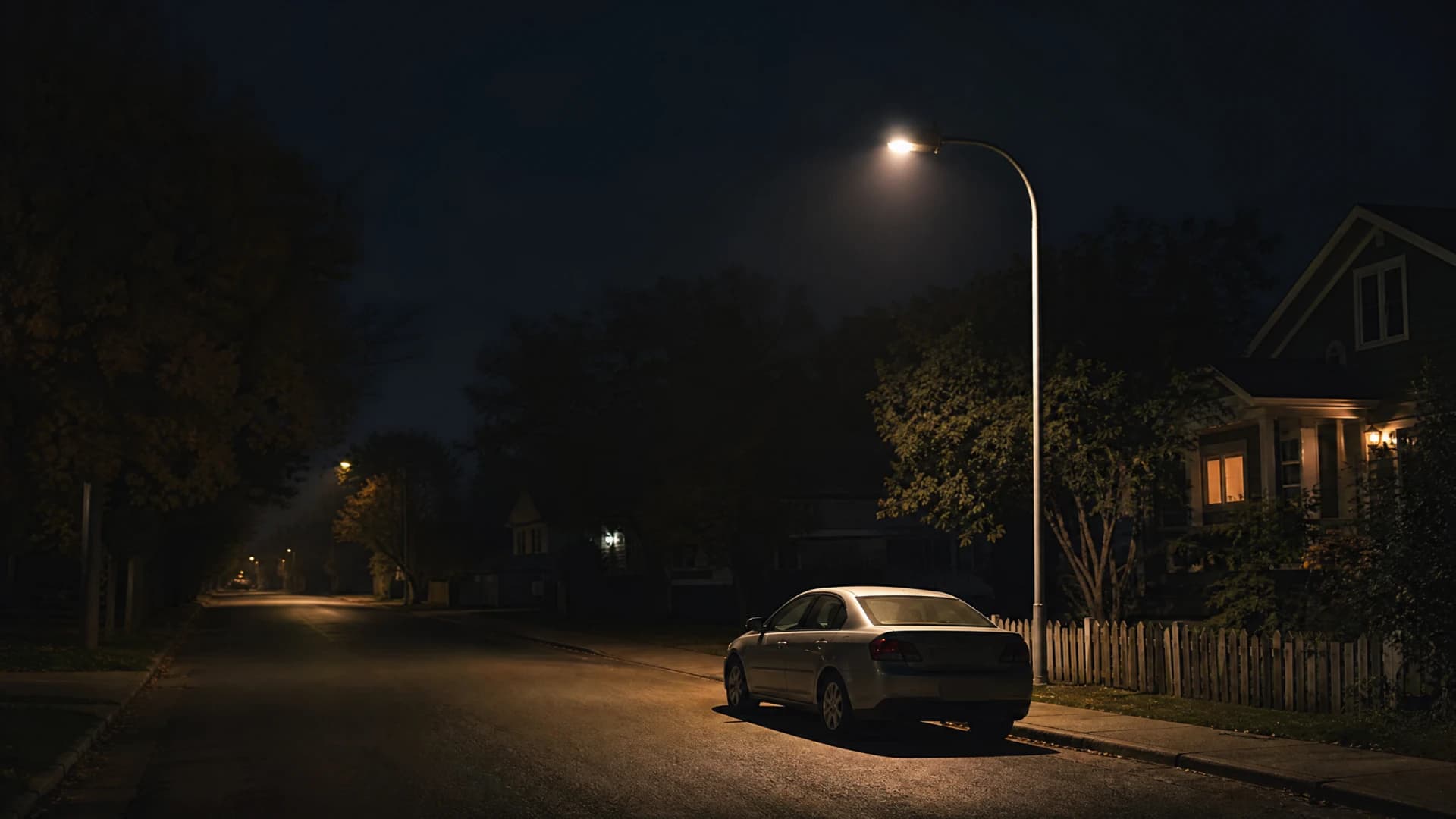
The carrier with the lowest rate for your household is not the carrier with the biggest advertised multi-car discount. It's the carrier whose base rate and driver-risk pricing align with your specific household mix.
Related Articles

Coverage Tier Decisions That Lower Total Household Cost
Wisconsin does not require comprehensive or collision coverage, even for financed vehicles, though your lender will. If you own one or more vehicles outright, dropping comprehensive and collision on older, low-value vehicles can lower your total household premium significantly. The multi-car discount applies to liability premiums; it does not make full coverage on a low-value car cost-effective.
A common rule of thumb: if the vehicle's market value is less than ten times the annual cost of comprehensive and collision coverage, consider liability-only coverage for that vehicle. Dropping those coverages on one vehicle in a multi-car household reduces total premium without affecting the multi-car discount, which applies to the remaining liability coverage.
Deductible selection also affects total cost. Raising your comprehensive and collision deductibles from $500 to $1,000 lowers premium on every vehicle carrying those coverages. For a household with three vehicles, that change can reduce annual premium by several hundred dollars. The multi-car discount applies after deductible selection, so lowering base premium through higher deductibles compounds the discount's effect.
15.6%
Wisconsin Uninsured Motorist Rate
15.6% of Wisconsin drivers carried no insurance in 2023. Uninsured motorist coverage is mandatory in Wisconsin, and it protects your household when an uninsured driver causes an accident. Multi-vehicle households need UM coverage on every vehicle, and carriers price that coverage differently.
Insurance Information Institute, 2023
Carriers Writing Multi-Vehicle Policies in Wisconsin
Wisconsin has 25 carriers writing auto insurance, including State Farm, Geico, Progressive, Allstate, American Family, USAA, Farmers, Travelers, Nationwide, and Liberty Mutual. Not all carriers offer the same multi-car discount structure, and not all carriers price households with multiple drivers the same way. State Farm and American Family dominate the Wisconsin market and often price multi-vehicle households competitively, but they are not always the cheapest option for every household mix.
USAA offers some of the lowest rates for eligible households, but membership is restricted to military members, veterans, and their families. If you qualify, USAA should be on your comparison list. Progressive and Geico quote aggressively for multi-vehicle households with clean driving records but price higher for households with teenage drivers or recent violations. Farmers and Allstate tend to price higher overall but may offer the lowest rate for households with specific driver or vehicle combinations.
Carriers also differ in how they handle mid-term changes. If you add a vehicle or a driver to your policy mid-term, some carriers re-rate the entire policy immediately; others prorate the change to the next renewal. That difference affects total cost when your household composition changes during the policy period.
What to Do Next
Gather your household's driver and vehicle information: ages, driving records, vehicle years and models, and current coverage selections. Decide which vehicles need comprehensive and collision coverage and which can carry liability-only. Use that information to request quotes from at least three Wisconsin carriers writing multi-vehicle policies.
Compare total household premium, not discount percentages. The carrier offering the lowest combined cost for your specific household is the cheapest option, regardless of how large their advertised multi-car discount is. If your household includes a teenage driver or a driver with a recent violation, expect significant rate variation across carriers; some price high-risk drivers far more aggressively than others. Wisconsin's comparison tools let you see carrier options side by side and identify which one prices your household most favorably.
How to Compare Carriers for Multi-Vehicle Households
Start by listing every driver in your household and every vehicle you own. Note each driver's age, driving record, and which vehicle they drive most often. Wisconsin carriers assign a primary driver to each vehicle, and that assignment determines how the policy is rated. If you have a teenage driver, identify which vehicle they will drive; that vehicle's premium will reflect their age and inexperience regardless of the multi-car discount.
Request quotes from at least three carriers writing multi-vehicle policies in Wisconsin. Provide identical coverage selections across all quotes: the same liability limits, the same uninsured motorist limits, the same deductibles for comprehensive and collision if you're carrying those coverages. The goal is to compare base rates, not discount percentages.
Get Your Free Quote
Get My Wisconsin Car Insurance QuoteFrequently Asked Questions
What is the cheapest car insurance company in Wisconsin for multiple vehicles?
There is no single cheapest carrier for all Wisconsin households. The carrier offering the lowest rate depends on your household's driver ages, driving records, and vehicle mix. State Farm, American Family, USAA, Geico, and Progressive all write multi-vehicle policies in Wisconsin, but the cheapest option varies by household. Compare quotes from at least three carriers using identical coverage selections to find the lowest total premium for your specific situation.
Does the multi-car discount in Wisconsin lower my total premium?
The multi-car discount reduces per-vehicle premium when you insure two or more cars on one policy, but it does not guarantee the lowest total cost. The discount applies to each carrier's base rate, and base rates vary widely. A carrier with a smaller discount and a lower base rate often costs less than a carrier with a larger discount and a higher base rate. Compare total household premium across carriers, not discount percentages.
What are Wisconsin's minimum auto insurance requirements for multiple vehicles?
Wisconsin requires $25,000 per person and $50,000 per accident bodily injury liability, $10,000 property damage liability, and uninsured motorist coverage on every vehicle you own. These minimums apply to each vehicle on your policy. Multi-vehicle households must carry these coverages on every car, and the multi-car discount applies to the liability premiums after coverage is selected.
Should I drop comprehensive and collision coverage on older vehicles in my multi-car policy?
If a vehicle's market value is less than ten times the annual cost of comprehensive and collision coverage, consider liability-only coverage for that vehicle. Dropping comp and collision on low-value vehicles lowers total household premium without affecting the multi-car discount, which applies to liability coverage.
How does adding a teenage driver affect my multi-car insurance cost in Wisconsin?
Adding a teenage driver re-rates your entire multi-vehicle policy based on the teen's age and inexperience. The multi-car discount does not offset that re-rating; it reduces the new, higher base rate by a percentage. Carriers price teenage drivers very differently, so compare quotes from multiple carriers when adding a teen to your household policy. Some carriers price young drivers far more aggressively than others.
Can I insure multiple vehicles on separate policies in Wisconsin?
You can insure vehicles on separate policies, but you lose the multi-car discount, which only applies when all vehicles sit on the same policy. Separate policies also mean separate liability limits and separate uninsured motorist coverage, which can leave gaps in protection. Most Wisconsin households pay less by consolidating all vehicles onto one policy, but compare total cost across both structures to confirm.