
Teen Driver Car Insurance — Wisconsin
Free to compare
Adding a Teen Re-Rates Your Entire Multi-Car Policy
You own two or three cars. Your teenager passes their driver's test. You call your carrier to add them, expecting the premium on their vehicle to jump while the other cars stay the same. Instead, the carrier re-rates every vehicle on the policy because your teen becomes a rated driver on the entire household policy, not just the car they drive most often.
This structural reality surprises most Wisconsin households with multiple vehicles. The multi-car policy treats every licensed household member as a potential driver of every vehicle. When you add a teen, the carrier recalculates risk across all cars, and your total premium rises more than you anticipated. Understanding how Wisconsin's liability minimums and carrier rating practices interact with teen drivers helps you structure coverage that protects the household without overpaying.
“The teen becomes a rated driver on every vehicle, and the premium rises accordingly.”

See What Wisconsin Drivers Pay for the Coverage They Need
Get My Wisconsin Car Insurance Quote$25,000/$50,000/$10,000
Wisconsin Minimum Liability Limits
Wisconsin requires $25,000 bodily injury per person, $50,000 per accident, and $10,000 property damage. These minimums apply to every vehicle on your policy, including the car your teen drives. Uninsured motorist coverage is also required.
Wisconsin Department of Transportation
Why Teen Drivers Affect Every Vehicle on the Policy
Wisconsin carriers rate multi-car policies by household, not by individual vehicle assignment. When you add a licensed teen, the carrier assumes that teen could drive any car on the policy at any time. Even if your teen drives only the older sedan and never touches the newer SUV, the carrier prices the risk that they might.
This household-rating model means the teen's age, driving experience, and violation history (if any) factor into the premium calculation for all vehicles. The carrier does not isolate the teen's impact to one car. The entire policy re-rates. Households with three or four vehicles see the increase multiply across every car.
Some carriers allow you to exclude a teen from specific vehicles, but exclusion means the teen has zero coverage if they drive that car. Most Wisconsin households reject exclusion because it creates a coverage gap. The practical result: the teen becomes a rated driver on every vehicle, and the premium rises accordingly.
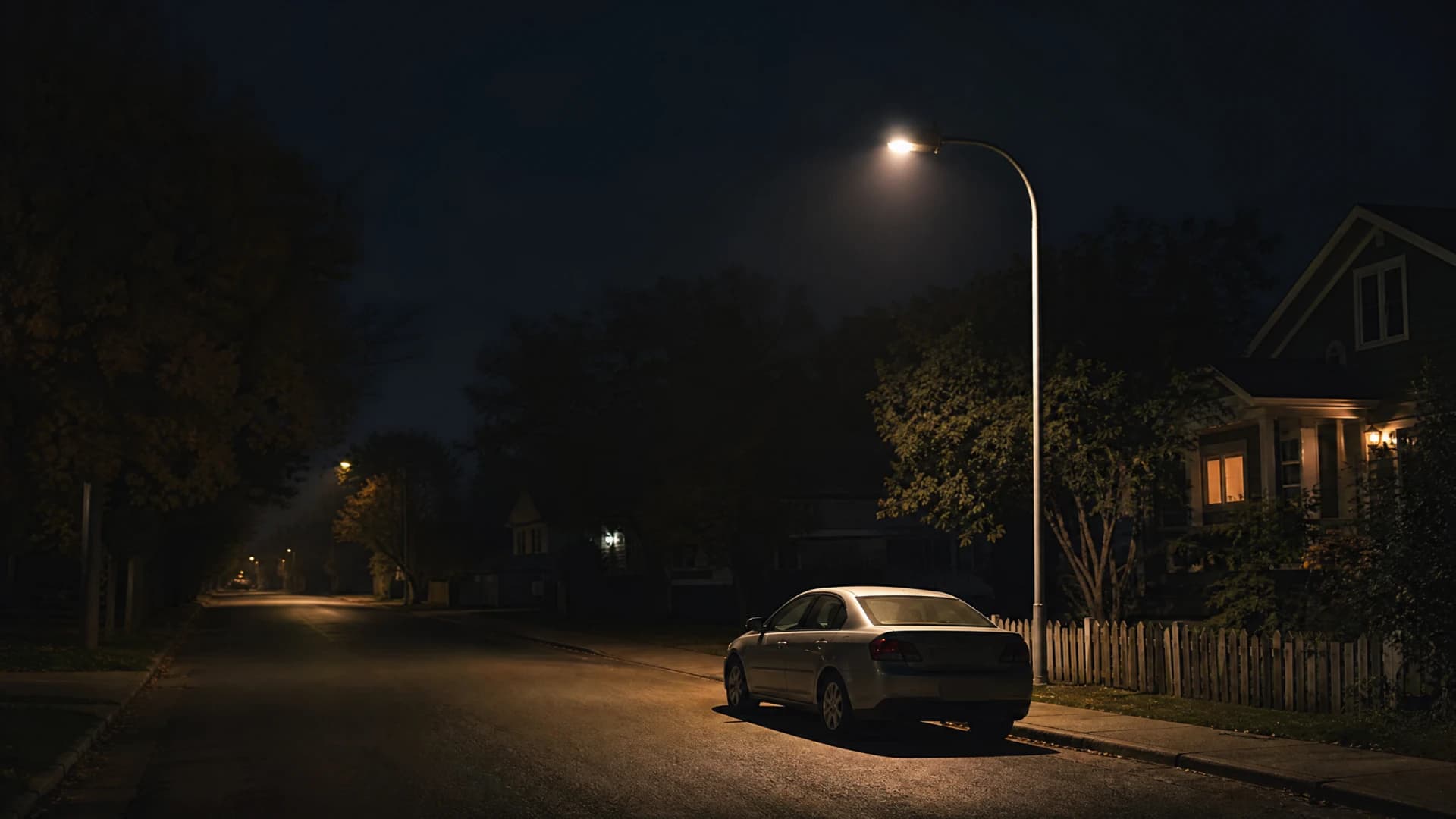
Your teen re-rates every car on the policy because Wisconsin carriers assume any household driver can operate any household vehicle.




Structuring Coverage Across Multiple Vehicles with a Teen Driver
You have three options when adding a teen to your multi-car policy. First, you can maintain the same coverage levels on all vehicles and absorb the premium increase. This approach keeps your household protection consistent but costs the most. Second, you can raise the deductible on the vehicle your teen drives most often, lowering the premium on that car while keeping collision and comprehensive coverage in place. Third, you can drop collision and comprehensive on an older vehicle your teen drives if the car's value is low enough that a total-loss payout would not justify the premium.
Most Wisconsin households with multiple vehicles choose the second option: they keep full coverage on all cars but raise the teen's vehicle deductible to $1,000 or higher. This reduces the collision and comprehensive premium on that car without eliminating coverage.
Liability coverage cannot be reduced below Wisconsin's $25,000/$50,000/$10,000 minimums, and dropping it entirely is illegal. Uninsured motorist coverage is required. Higher limits cost more but provide better protection when a young driver is on the policy.
15.6%
Wisconsin Uninsured Motorist Rate
15.6% of Wisconsin motorists drive without insurance. Uninsured motorist coverage is required on every policy and protects your household if your teen is hit by an uninsured driver. This coverage applies to all vehicles and all drivers on your policy.
Insurance Research Council, 2023
Which Wisconsin Carriers Write Multi-Car Policies with Teen Drivers
Not all carriers price teen drivers the same way. State Farm, American Family, and Auto-Owners write multi-car policies in Wisconsin and offer good-student discounts that reduce the teen's portion of the premium if they maintain a B average or higher. Progressive and Geico write teen drivers and provide usage-based programs that track mileage and driving behavior, lowering the premium if your teen drives safely and infrequently.
Some Wisconsin carriers offer teen driver training discounts if your teen completes an approved driver education course beyond the state's minimum GDL requirements. Farmers and Nationwide write these policies and apply the discount across the household premium, not just the teen's vehicle. The discount typically lasts until your teen turns 21 or 25, depending on the carrier. Check whether the carrier requires annual proof of grades or course completion to maintain the discount.
Compare Carriers That Write Your Household's Vehicles
Wisconsin households with multiple vehicles and a teen driver should compare at least three carriers before renewing. Carrier pricing varies widely for teen drivers, and the carrier that offered the best rate before you added your teen may not be the best option now. Request quotes that include all household vehicles, all drivers, and the same coverage levels so you can compare total household premium, not just the teen's portion.
When comparing, confirm that each carrier applies the multi-car discount to the full policy and that your teen qualifies for any available discounts. Some carriers require the teen to be listed as the primary driver of one specific vehicle to apply certain discounts, while others rate the teen as a household driver without vehicle assignment. Clarify how the carrier structures the policy before you commit. The goal is the lowest total household premium for the coverage you need, not the lowest rate on one vehicle.
How Wisconsin's Graduated Driver Licensing Affects Your Policy
During the learner permit phase, your teen drives only with a supervising adult. Most carriers do not charge a separate premium for permit holders because the supervising driver is already rated on the policy. Once your teen reaches the intermediate license stage at 16, they can drive unsupervised under certain restrictions: no more than one passenger and no driving between midnight and 5 a.m. unless for work, school, or emergencies. At this point, carriers add the teen as a rated driver and your premium increases.
Wisconsin requires 50 hours of supervised driving and a six-month permit holding period before the intermediate license. The night and passenger restrictions remain until your teen turns 18 and qualifies for a full license. Carriers price intermediate-license teens as higher risk than full-license adults but lower risk than teens in states with no GDL restrictions. The premium increase is substantial but not as severe as it would be without the GDL structure.
Get Your Free Quote
Get My Wisconsin Car Insurance QuoteFrequently Asked Questions
Does adding a teen driver increase the premium on all cars or just the car they drive?
Adding a teen increases the premium on all vehicles because Wisconsin carriers rate multi-car policies by household, not by individual vehicle. The teen becomes a rated driver on the entire policy, even if they drive only one car. The carrier assumes any household driver can operate any household vehicle.
Can I exclude my teen from certain vehicles to lower the premium?
Yes, but exclusion means your teen has zero coverage if they drive the excluded vehicle. Most Wisconsin households reject exclusion because it creates a coverage gap. If your teen drives an excluded car and causes an accident, the carrier will not pay the claim.
Do Wisconsin carriers offer discounts for teen drivers?
Yes. State Farm, American Family, Auto-Owners, Farmers, and Nationwide offer good-student discounts for teens with a B average or higher. Progressive and Geico offer usage-based programs that lower the premium if your teen drives safely and infrequently. Some carriers also discount for completing approved driver education courses.
What coverage levels should I carry when I add a teen to my multi-car policy?
Maintain at least Wisconsin's required $25,000/$50,000/$10,000 liability minimums and required uninsured motorist coverage. Keep collision and comprehensive on the teen's vehicle unless the car's value is low enough that you can afford to replace it out of pocket.
How long does the teen driver premium increase last?
The premium remains elevated until your teen turns 25, when most carriers reclassify them as a standard adult driver. The increase is highest during the first three years of driving and decreases gradually as your teen gains experience and maintains a clean driving record. Good-student and safe-driver discounts reduce the increase but do not eliminate it.
Can I keep my teen on a separate policy to avoid re-rating my multi-car policy?
Wisconsin carriers typically require all household members to be listed on one policy. Separating your teen onto their own policy usually costs more than adding them to your multi-car policy because the teen loses the multi-car discount and pays a higher base rate as a single-vehicle policyholder. Most carriers will not allow separation unless the teen lives at a different address.