
Cheapest Car Insurance for New Drivers — Wisconsin
Free to compare
Why Your Multi-Car Premium Doubled When You Added a Teen
You added a newly-licensed 16-year-old to your Wisconsin household policy covering three vehicles, and the annual premium jumped from reasonable to painful. The sticker shock is structural: Wisconsin carriers re-rate the entire policy when a new driver joins, not just the vehicle the teen will drive. Every car on the policy gets re-priced under the household's new risk profile, and the young driver becomes a rating factor applied across your full vehicle roster.
The confusion comes from thinking the new driver adds a flat surcharge to one car. That is not how multi-car household policies work in Wisconsin. The carrier recalculates the base rate for the entire policy using the household's youngest, least-experienced driver as a primary rating input. A household with two experienced drivers and three vehicles might pay one rate; the same household with one new driver and three vehicles pays a structurally different rate, even if the teen only drives one of those cars occasionally.
“The carrier re-rates every vehicle when a new driver joins, even if the teen only drives one car.”
See What Wisconsin Drivers Pay for the Coverage They Need
Get My Wisconsin Car Insurance Quote$25,000/$50,000/$10,000
Wisconsin Minimum Liability
Every driver on your policy must meet this floor: $25,000 bodily injury per person, $50,000 per accident, $10,000 property damage. Minimum coverage costs less than full coverage, but the new-driver rating multiplier applies regardless of which coverage tier you choose.
Wisconsin Department of Transportation
What Actually Drives the Cost When You Insure a New Driver
The carrier looks at every driver in the household and assigns each one to a vehicle. Wisconsin does not require you to name which driver operates which car exclusively, but the rating algorithm assumes the highest-risk driver has access to every vehicle on the policy. When you add a 16-year-old with a fresh license, that driver becomes the household's primary risk factor, and the carrier applies that risk weighting to the policy's total exposure.
The cost difference between carriers comes from how each one structures that risk weighting. Some carriers apply a steep multiplier to the entire household premium when a young driver joins. Others isolate the new-driver surcharge to one vehicle and rate the remaining cars under the experienced drivers' profiles. A few carriers offer a multi-car discount large enough to offset part of the young-driver increase, but only if every vehicle stays on the same policy.
Wisconsin logged 4,374,582 licensed drivers and 5,681,673 registered vehicles in 2022, meaning many households own more cars than drivers. When you add a new driver to a household that already insures multiple vehicles, the carrier recalculates the policy assuming that driver could operate any of those vehicles. The math changes across your entire roster, not just the car the teen will actually drive.
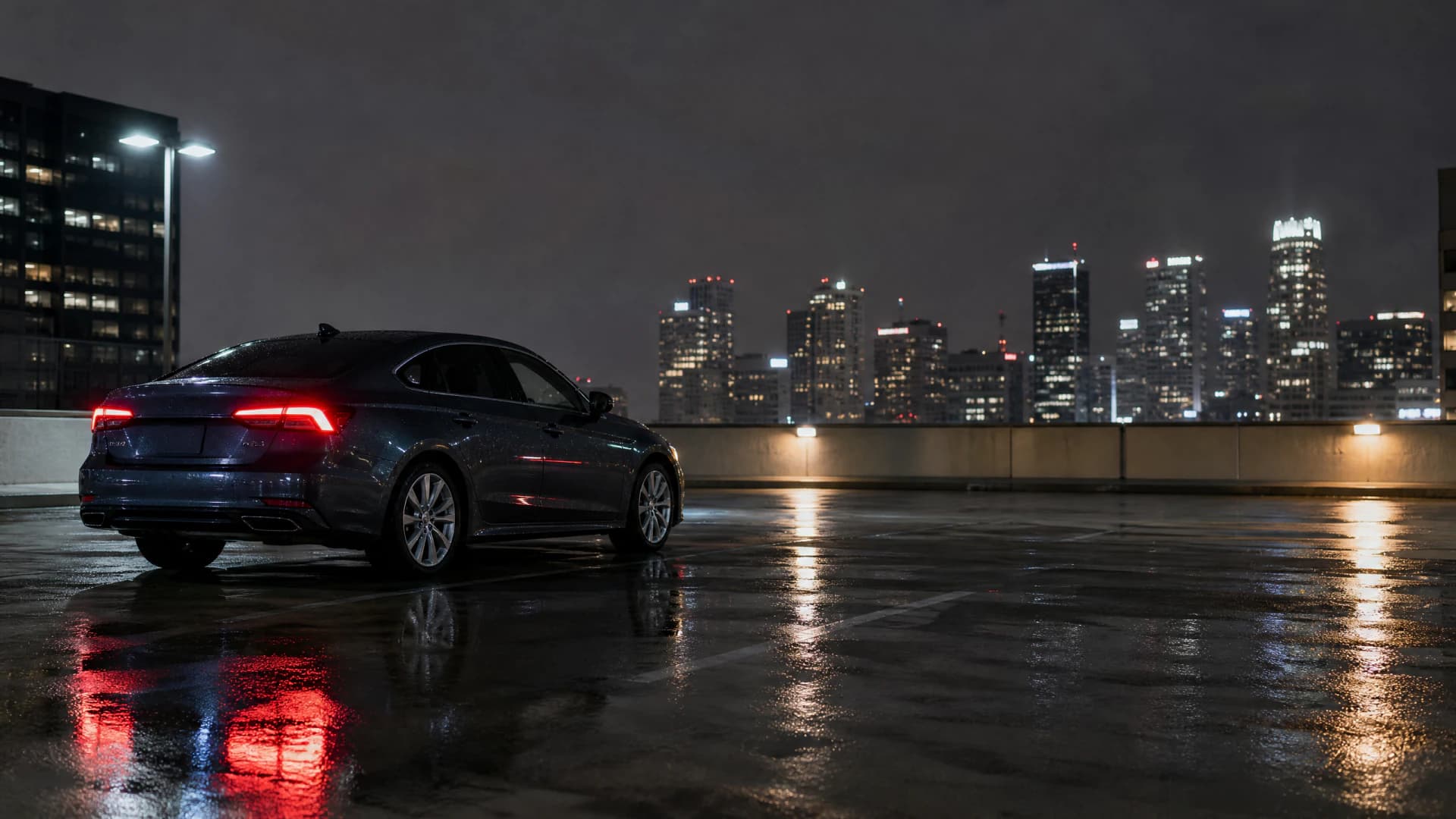
The carrier re-rates every vehicle on your policy when a new driver joins, even if the teen only drives one car.



Minimum Coverage Versus Full Coverage for a New Driver's Car
Wisconsin requires $25,000 bodily injury per person, $50,000 per accident, and $10,000 property damage on every vehicle. Minimum coverage meets the legal floor and costs less than full coverage, but it leaves you paying out of pocket if the new driver wrecks the car. Full coverage adds collision and comprehensive, which pay to repair or replace the vehicle regardless of fault, minus your deductible.
The decision depends on the vehicle's value and your household's ability to replace it. The new-driver rating multiplier applies to both minimum and full coverage, so dropping collision and comprehensive lowers the premium but does not eliminate the young-driver surcharge. The carrier still re-rates the policy based on the household's risk profile.
Wisconsin logged a traffic fatality rate of 0.87 per 100 million vehicle miles traveled in 2023, and 31% of those fatalities involved alcohol impairment. New drivers face higher collision risk than experienced drivers, which is why carriers charge more. If the vehicle the teen drives is financed, the lender requires full coverage until the loan is paid off. If you own the car outright, you choose the coverage level that fits your household's budget and risk tolerance.
15.6%
Wisconsin Uninsured Motorist Rate
More than one in seven drivers on Wisconsin roads carries no insurance. Uninsured motorist coverage is required in Wisconsin and protects your household if an uninsured driver hits the new driver's car. The coverage costs less than collision but pays when the at-fault driver cannot.
Insurance Information Institute, 2023
Which Carriers Write the Lowest Rates for Multi-Car Households With New Drivers
No single carrier is cheapest for every household. The lowest rate depends on your specific vehicle mix, your experienced drivers' records, your garaging address, and how each carrier weights young-driver risk. State Farm, American Family, and Auto-Owners write preferred-tier multi-car policies in Wisconsin and may offer lower rates for households with clean-record experienced drivers. Progressive, GEICO, and Farmers write standard-tier policies and often quote competitively for households adding a new driver to an existing multi-vehicle policy.
The only way to find the lowest rate is to compare quotes from carriers that write multi-car households in Wisconsin. Request quotes that include every vehicle and every driver in your household, and make sure the new driver is listed on every quote. Carriers calculate multi-car discounts differently: some apply the discount to every vehicle after the first, others apply it only when you insure three or more cars, and a few tier the discount based on how many experienced versus new drivers you have.
Compare Carriers That Write Wisconsin Multi-Car Policies
The cheapest way to insure a new driver in a Wisconsin multi-car household is to compare quotes from every carrier that writes your vehicle mix and driver profile. Keep all vehicles on one policy to preserve the multi-car discount, choose the coverage level that fits each vehicle's value, and confirm that every driver in your household is listed accurately. The carrier with the lowest rate for your household before you added the teen may not be the lowest rate after, because each carrier applies a different rating structure to young drivers on multi-vehicle policies.
How Wisconsin Carriers Rate Multi-Car Policies With New Drivers
Carriers writing Wisconsin multi-car policies include State Farm, Progressive, GEICO, Allstate, American Family, and Farmers. Each applies a different method when you add a young driver. Some assign the new driver to the most expensive vehicle on the policy and rate that car at the young-driver tier, leaving your other vehicles rated under the experienced drivers. Others calculate a household risk score and apply it uniformly across every vehicle, which raises the cost of insuring all three or four cars even if the teen only drives one.
The multi-car discount works in your favor here, but only if you keep every vehicle on the same policy. Wisconsin households that split their fleet across two policies lose the multi-vehicle discount entirely, and the policy carrying the new driver pays the full young-driver rate with no offset. Combining all vehicles on one policy and comparing carriers that write multi-car households with young drivers produces the lowest total cost in most cases.
Get Your Free Quote
Get My Wisconsin Car Insurance QuoteFrequently Asked Questions
Does adding a new driver to my Wisconsin multi-car policy raise the cost of every vehicle?
Yes. Wisconsin carriers re-rate the entire policy when you add a new driver, not just the car the teen drives. The young driver becomes a rating factor applied across your full vehicle roster, which raises the premium for all cars on the policy.
Can I keep my new driver on a separate policy to avoid raising my multi-car premium?
You can, but you lose the multi-car discount entirely and pay the full young-driver rate with no offset. Keeping all vehicles on one policy and comparing carriers that write multi-car households with new drivers produces the lowest total cost in most cases.
What is the minimum car insurance required in Wisconsin for a new driver?
$25,000 bodily injury per person, $50,000 per accident, and $10,000 property damage. Every driver on your policy must meet this floor, and uninsured motorist coverage is required in Wisconsin.
Should I buy full coverage or minimum coverage for my new driver's car in Wisconsin?
Full coverage costs more but pays to repair or replace the vehicle if the new driver wrecks it. Minimum coverage meets the legal floor and costs less, but you pay out of pocket for damage to the car. If the vehicle is financed, the lender requires full coverage.
Which Wisconsin carriers offer the lowest rates for multi-car policies with new drivers?
No single carrier is cheapest for every household. State Farm, American Family, Progressive, GEICO, and Farmers all write multi-car policies in Wisconsin, and the lowest rate depends on your vehicle mix, experienced drivers' records, and garaging address. Compare quotes from carriers that write your household's profile.