
Car Insurance Rates — Wisconsin
Free to compare
When Adding a Vehicle Changes Your Entire Policy
You just bought a second car and called your carrier to add it to your existing Wisconsin auto policy. The quote came back higher than expected — not just the cost of insuring the new vehicle, but a jump in the premium for the car you already had. That's because adding a vehicle mid-term re-rates your entire policy, not just the new addition. Every vehicle on the policy gets recalculated based on your current driving record, credit (where Wisconsin law permits its use), and the combined risk profile of all vehicles and drivers in your household.
This article walks through how Wisconsin's multi-car discount actually works, what the same-policy requirement means for your household, and how to structure coverage across two, three, or more vehicles without overpaying. You'll see the specific mechanics that determine whether combining policies saves money or costs more, and the failure modes that catch households off guard when they add or remove a car.
“Adding a vehicle mid-term re-rates your entire policy based on your current record, not just the cost of the new car.”

See What Wisconsin Drivers Pay for the Coverage They Need
Get My Wisconsin Car Insurance Quote$25,000/$50,000/$10,000
Wisconsin Minimum Liability
Wisconsin law requires every vehicle on the road to carry at least $25,000 bodily injury per person, $50,000 per accident, and $10,000 property damage. Uninsured motorist coverage is also mandatory. These minimums apply to every vehicle you add to your policy.
Wisconsin Department of Transportation
The Multi-Car Discount Requires One Policy
The multi-car discount applies when you insure two or more vehicles on the same policy with the same carrier. It does not apply when you and a household member each maintain separate policies, even if both policies are with the same carrier. The discount is a same-policy benefit, not a same-carrier benefit.
Wisconsin households often assume that having multiple cars automatically qualifies them for the discount. It doesn't. A vehicle titled to a household member who maintains their own policy will not count toward your multi-car discount, and your vehicle will not count toward theirs. To capture the discount, every vehicle must appear on one shared policy.
Most carriers also require that all vehicles share the same garaging address. A car kept at a different address — a college student's vehicle parked out of state during the school year, or a second home's vehicle — may not qualify for the same-policy discount even if it's titled to you. Check your carrier's specific garaging rules before assuming the discount applies.
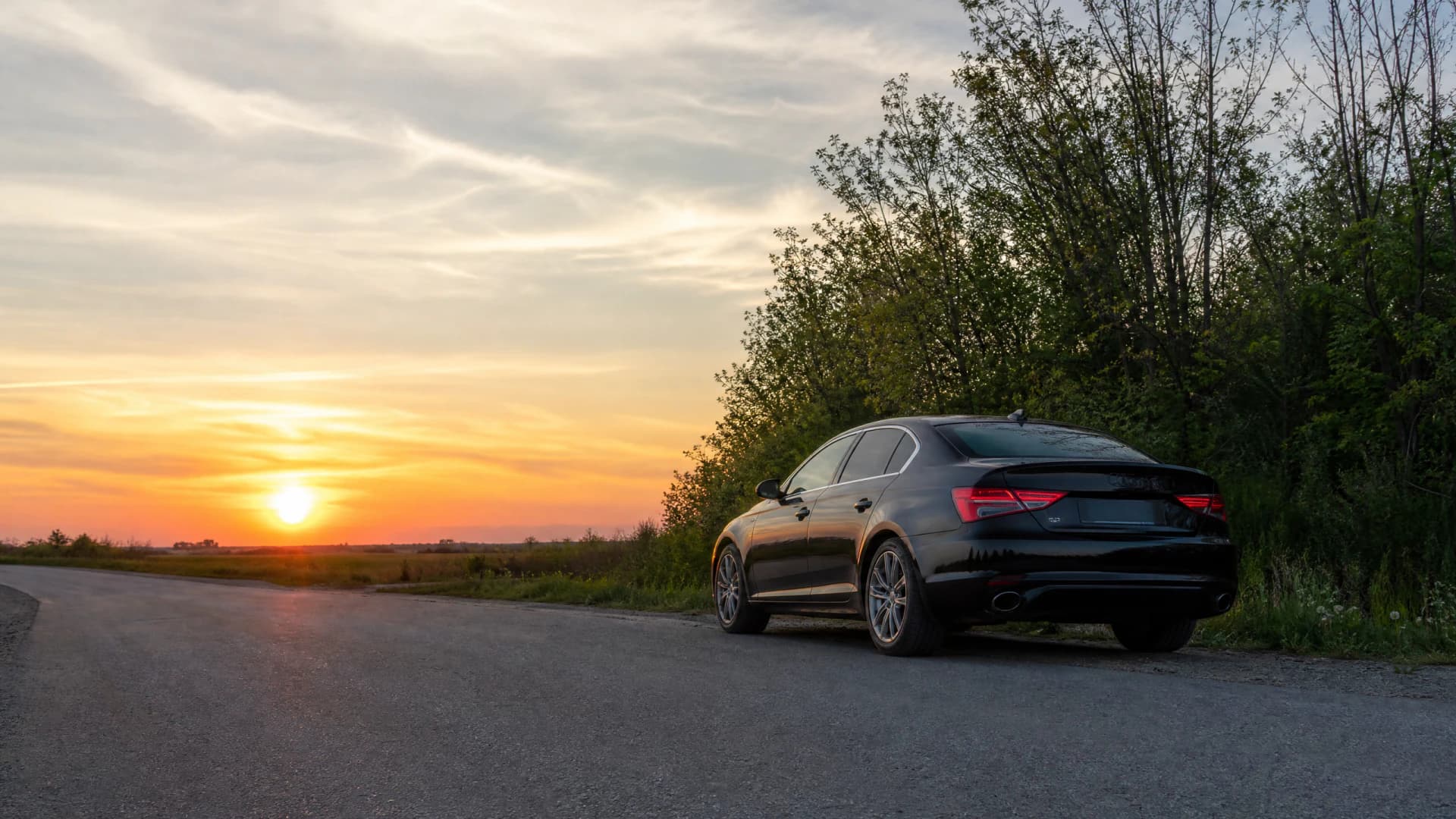
Adding a vehicle mid-term re-rates your entire policy. The premium increase reflects the new car plus adjustments to every vehicle already on the policy.


Combining Two Policies After Marriage or a Move
You and your spouse each maintained separate auto policies before marriage. Now you're combining households and want to know whether merging the policies saves money. The answer depends on both drivers' records, the vehicles involved, and the carriers you're currently with.
Combining policies usually lowers the total premium compared to maintaining two separate policies, because the multi-car discount applies and the carrier spreads fixed costs across more vehicles. But if one spouse has a recent violation, accident, or lapse, merging policies can raise the combined premium above what you'd pay separately. The cleaner record does not insulate the other driver — the carrier rates the policy based on the household's combined risk.
Run quotes both ways: one combined policy versus two separate policies. Some Wisconsin carriers offer better multi-car discounts than others, and the savings vary by household. A combined policy with a carrier that writes your risk profile well can beat two separate policies with carriers that don't.
15.6%
Wisconsin Uninsured Motorist Rate
15.6% of Wisconsin drivers were uninsured in 2023. That's roughly one in six vehicles on the road. Wisconsin requires uninsured motorist coverage on every policy, and it applies to every vehicle you add.
Insurance Research Council, 2023
When a Household Member's Car Doesn't Qualify
A household member bought a car and titled it in their own name. They want to keep their own policy rather than joining yours. That's fine, but their vehicle will not count toward your multi-car discount, and your vehicles will not count toward theirs. The discount requires every vehicle to sit on the same policy.
Some carriers will not write a policy for a household member who lives at the same address as another policyholder without combining the policies. Others allow separate policies but rate each one as if the other household member is an occasional driver. Check your carrier's household-member rules before assuming you can maintain separate policies without a rate impact.
Compare Carriers That Write Multi-Car Policies in Wisconsin
Wisconsin has 25 carriers writing auto insurance in the state, and not all of them offer the same multi-car discount or the same base rates. A smaller discount on a lower base rate can beat a larger discount on a higher one. The only way to know which carrier offers the best combined premium for your household is to compare quotes with every vehicle and driver included.
Carriers writing multi-car policies in Wisconsin include State Farm, Geico, Progressive, Allstate, American Family, Farmers, Nationwide, USAA, Travelers, Auto-Owners, and Erie. Request quotes that include every vehicle you plan to insure, every driver in the household, and the coverage levels you need. The quote should reflect the multi-car discount automatically; if it doesn't, ask the carrier why.
How Adding a Vehicle Re-Rates the Policy
The carrier pulls your current driving record, credit report (where Wisconsin law permits), and claims history. If your record has changed since you first bought the policy — a ticket, an accident, a lapse in coverage — the re-rating captures that change and applies it to every vehicle. The new car's addition triggers the recalculation, but the premium increase reflects more than just the cost of insuring that car.
The multi-car discount typically offsets part of the increase, but not all of it. A household adding a second vehicle might see a smaller per-vehicle premium than they paid when insuring one car, but the combined premium for both will be higher than the original single-car policy. The discount reduces the marginal cost of the second vehicle; it does not make the second vehicle free or even neutral.
Get Your Free Quote
Get My Wisconsin Car Insurance QuoteFrequently Asked Questions
Does the multi-car discount apply if I have two policies with the same carrier?
No. The multi-car discount applies only when you insure two or more vehicles on the same policy, not when you maintain separate policies with the same carrier. To capture the discount, every vehicle must appear on one shared policy.
Can I add my spouse's car to my policy if it's titled in their name?
Yes, most Wisconsin carriers allow you to add a spouse's vehicle to your policy even if the title is in their name, as long as you live at the same address. The vehicle must be listed on the policy, and your spouse must be listed as a driver.
What happens to my premium when I add a second car mid-term?
Adding a vehicle mid-term re-rates your entire policy. The carrier recalculates the premium for every vehicle based on your current driving record, credit, and claims history. The increase reflects the new car plus adjustments to every vehicle already on the policy.
Do I need separate policies for each car in my household?
No. Insuring multiple vehicles on one policy is almost always cheaper than maintaining separate policies, because the multi-car discount applies and the carrier spreads fixed costs across more vehicles. Separate policies make sense only in rare cases where one driver's record is so poor that combining policies raises the total premium.
Can I keep my teenager's car on a separate policy?
Most Wisconsin carriers require that a teen driver living in your household be listed on your policy, along with any vehicle they drive. Maintaining a separate policy for the teen's car usually costs more than adding the vehicle and driver to your existing policy, even after the rate increase.
Does every vehicle on my policy need to meet Wisconsin's minimum liability limits?
Yes. Wisconsin requires every vehicle to carry at least $25,000 bodily injury per person, $50,000 per accident, $10,000 property damage, and uninsured motorist coverage. These minimums apply to every vehicle you add to your policy.