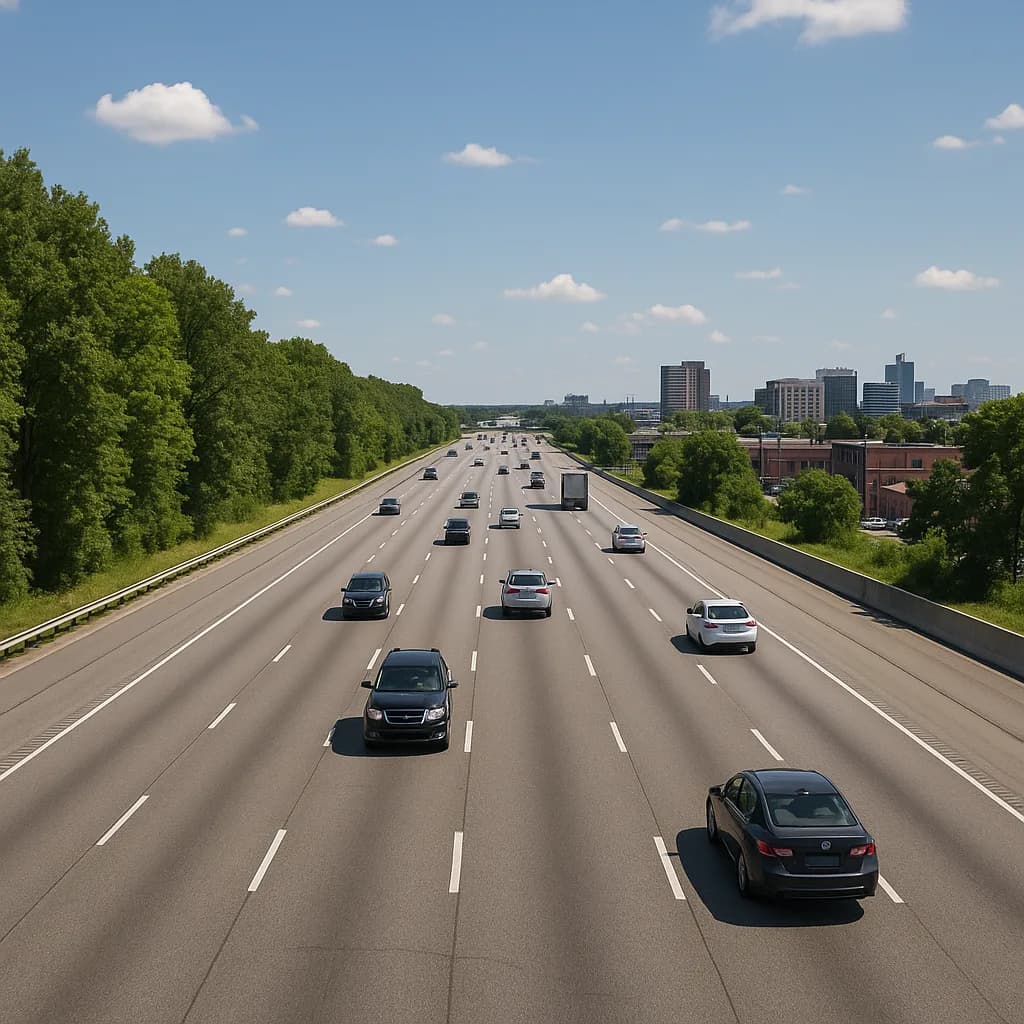
Why Wisconsin Multi-Car Premiums Work Differently
You just added a second car to your Wisconsin policy and the premium jumped, but not as much as you expected — or you're comparing whether to keep two separate policies or combine them, and the math isn't obvious. Wisconsin's mandatory uninsured-motorist coverage and the way carriers structure multi-vehicle discounts create a cost dynamic that doesn't match other states. The per-car cost drops when both vehicles sit on the same policy, but only if they meet the carrier's same-address and same-policy requirements.
The state minimum liability limits — $25,000 bodily injury per person, $50,000 per accident, and $10,000 property damage — apply to every vehicle you own, but carriers price multi-car policies by spreading fixed costs across both vehicles and applying a discount that typically requires every car to share one policy and one garaging address. When those conditions aren't met, you lose the discount and pay closer to two separate single-car premiums.
Compare car insurance rates in your state
Get quotes from licensed carriers — no obligation, no spam, results in minutes.
Get Your Free QuoteWisconsin Minimum Liability
Every vehicle registered in Wisconsin must carry at least $25,000 bodily injury per person, $50,000 per accident, and $10,000 property damage. Uninsured-motorist coverage is also mandatory, adding to the base cost of any policy.
Wisconsin Department of Transportation, Division of Motor Vehicles
What the Multi-Car Discount Actually Requires
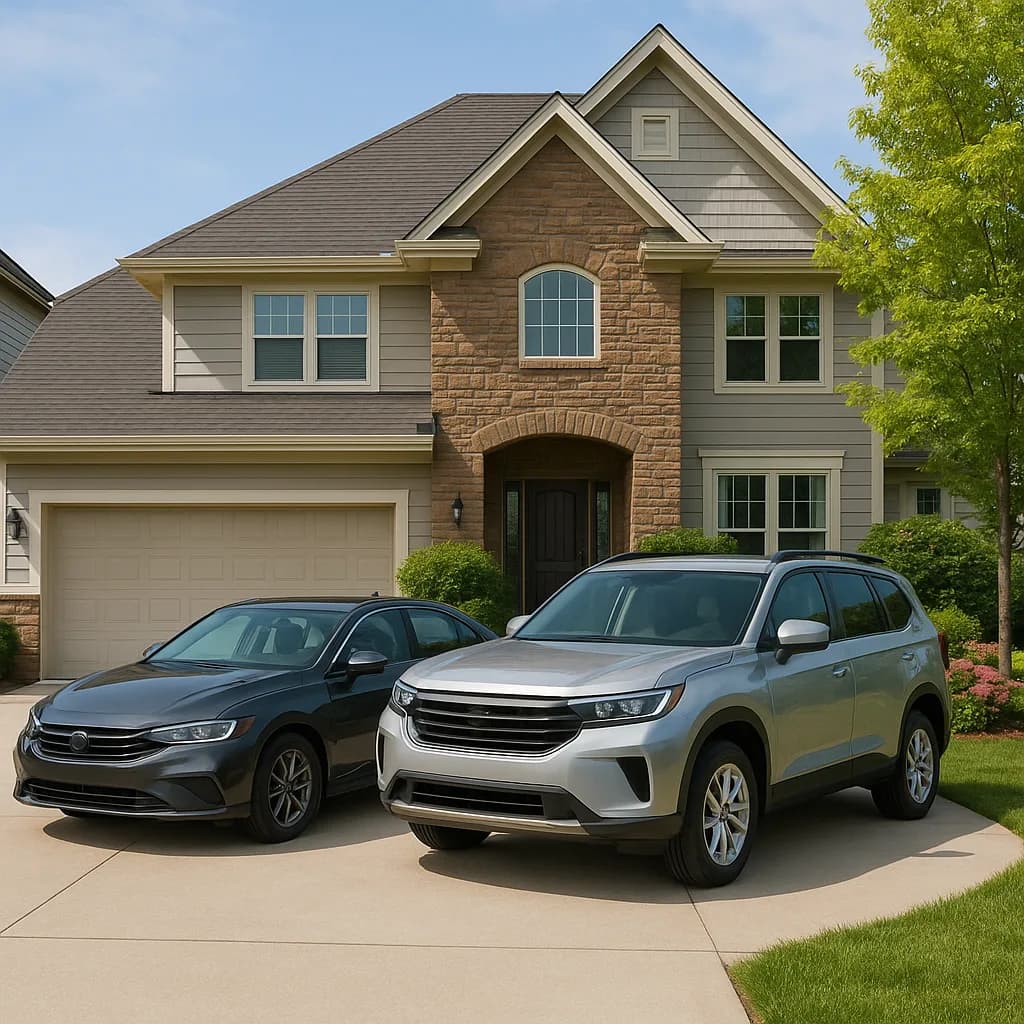
The multi-car discount applies when both vehicles sit on the same policy, are garaged at the same address, and are titled to the same household. Carriers define household differently — some require marriage or blood relation, others accept any co-resident who shares the address — but all require the same-policy structure. A car titled to a household member on a separate policy does not qualify, even if both policies are with the same carrier.
Wisconsin's uninsured-motorist mandate increases the base premium for every vehicle, which makes the multi-car discount more valuable than in states without that requirement. The discount reduces the per-vehicle cost by spreading the policy's fixed administrative and underwriting expenses across both cars, then applying a percentage reduction to the combined premium. The percentage varies by carrier, but the same-policy requirement is universal.
When you add a second vehicle mid-term, the carrier re-rates the entire policy rather than simply adding a flat amount. That means both vehicles' premiums recalculate based on the new multi-car structure, and the total may be lower than you'd pay for two separate policies even after the mid-term adjustment.
A vehicle titled to someone outside your household or on a different policy does not count toward the multi-car discount, even if both policies are with the same carrier.
How Adding a Vehicle Re-Rates Your Policy
The carrier pulls both vehicles' rating factors — year, make, model, garaging ZIP, annual mileage, and any safety or anti-theft features — and applies the multi-car discount to the combined premium. If the second vehicle is newer, has a higher theft rate in your county, or adds a driver with a different risk profile, the total premium reflects those changes across both cars. The per-vehicle cost usually drops compared to two separate policies, but the total premium rises because you're now insuring two vehicles instead of one.
Wisconsin's mandatory uninsured-motorist coverage adds to the base cost of every vehicle, which means the multi-car discount's value increases as you add more cars. A household with three or four vehicles on one policy sees a larger per-vehicle reduction than a household with two, because the fixed policy costs spread further. Carriers that write larger multi-vehicle policies — State Farm, Progressive, and American Family all operate in Wisconsin — often structure their discounts to favor households with three or more cars.
Related Articles




When Combining Policies Costs More Than Expected
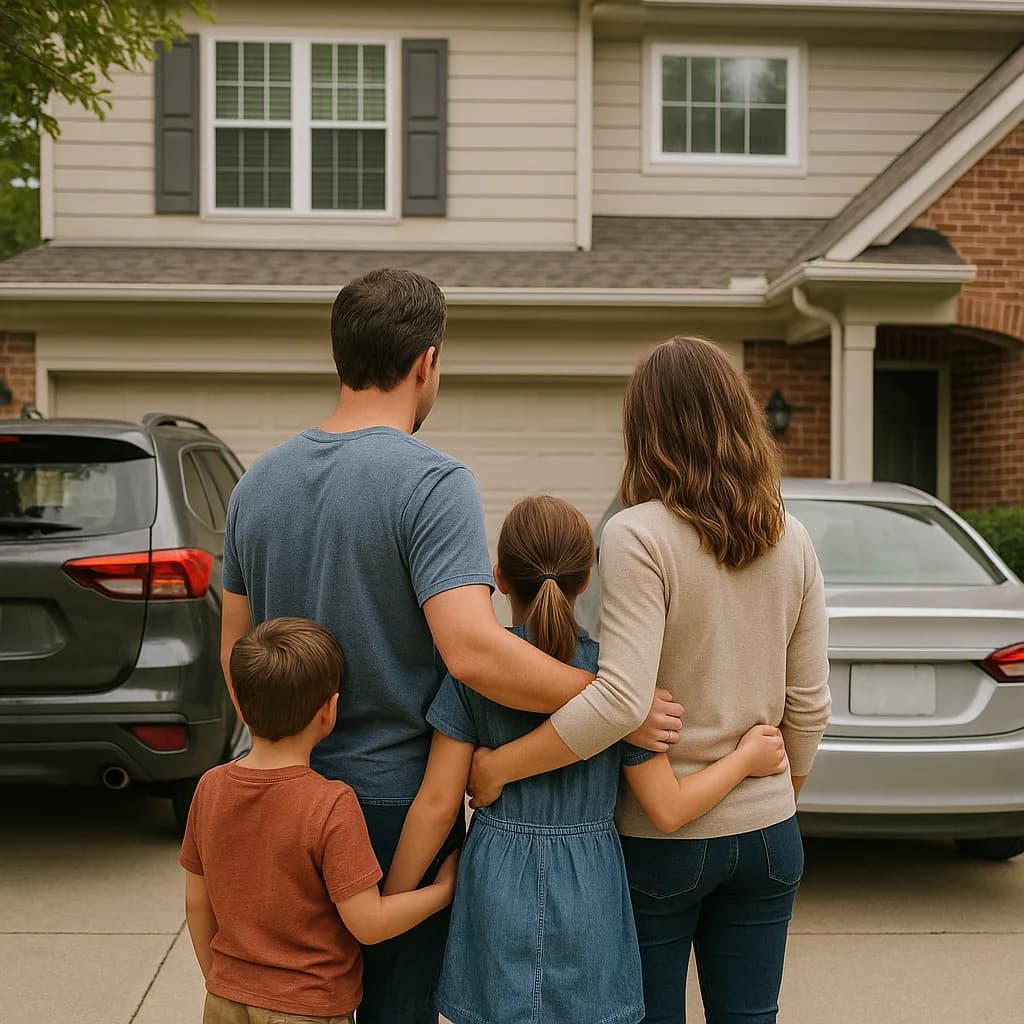
Combining two existing policies after marriage or a household move usually lowers the combined premium, but not always. If one spouse has a recent violation or accident, the combined policy re-rates both vehicles under the higher-risk driver's profile, which can erase the multi-car discount's savings. Wisconsin's 15.6% uninsured-motorist rate — well above the national average — means carriers price uninsured-motorist coverage aggressively, and a driver with a recent at-fault accident pays more for that mandatory coverage than a clean-record driver.
The same-address requirement also blocks some households from combining policies. If one spouse garaged a car at a work address or a second home, the carrier may refuse to apply the multi-car discount until both vehicles share the same garaging ZIP. Some carriers allow a temporary exception for military deployment or college students, but most require both cars to sit at the primary residence address on file.
When combining policies raises the premium instead of lowering it, the alternative is to keep both policies separate and compare whether the higher combined cost under one carrier beats the total cost of two separate policies with different carriers. A smaller discount on a lower base rate can beat a larger discount on a higher one, especially when one driver qualifies for a preferred-tier carrier and the other does not.
Wisconsin Multi-Car Market
25 carriers
At least 25 carriers write multi-vehicle policies in Wisconsin, including State Farm, Geico, Progressive, American Family, and Allstate. Comparing quotes across carriers that write your household's vehicle and driver profile produces the clearest cost picture.
Wisconsin carrier roster, auto_insurance_carriers_by_state
What Drives Per-Vehicle Cost Across Multiple Cars
The per-vehicle cost on a multi-car policy reflects each car's individual rating factors plus the household's overall risk profile. A newer vehicle with comprehensive and collision coverage costs more than an older car with liability-only, even on the same policy. Wisconsin's vehicle theft rate — 167.8 thefts per 100,000 population in 2024 — means carriers price comprehensive coverage higher in counties with elevated theft rates, and adding a high-theft-risk vehicle to a multi-car policy raises the total premium more than adding a low-risk one.
The household's combined driving record also affects every vehicle's cost. Wisconsin tracks violations and at-fault accidents on each driver's record, and carriers apply surcharges to the entire policy when any listed driver has a recent incident. A household with one clean-record driver and one driver with a recent speeding ticket pays more for both vehicles than a household with two clean records, even if the ticketed driver only drives one of the cars.
Compare Carriers That Write Multi-Vehicle Policies in Wisconsin
Wisconsin's multi-car market includes 25 carriers, but not all write the same household profiles or vehicle types. State Farm, American Family, and Auto-Owners write preferred-tier multi-vehicle policies for clean-record households. Progressive, Geico, and Allstate write both standard and preferred tiers. Dairyland, Bristol West, and The General write non-standard multi-car policies for households with recent violations or lapses. Comparing quotes across carriers that write your specific profile — vehicle count, driver ages, violation history, and garaging county — produces the clearest cost picture.
Request quotes that include Wisconsin's mandatory uninsured-motorist coverage and match the liability limits you need. The state minimum is $25,000/$50,000/$10,000, but many households carry higher limits to protect assets in an at-fault accident. The multi-car discount applies to the total premium, so higher liability limits increase the discount's dollar value even though the percentage stays the same. Compare the total premium for all vehicles on one policy against the combined cost of separate policies to confirm which structure saves money for your household.