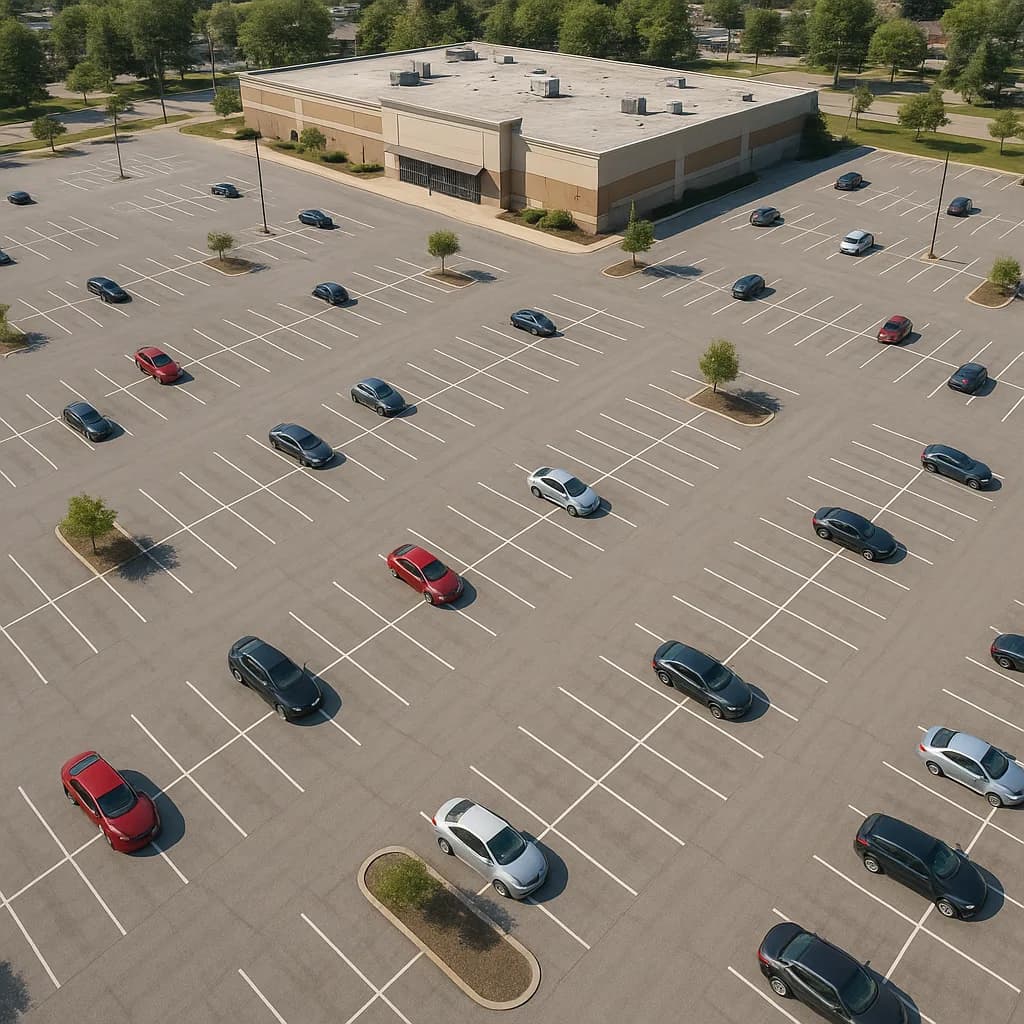
The Self-Insurance Question for Multi-Car Households
You own three or four vehicles, you maintain them well, and you wonder whether Wisconsin law allows you to self-insure rather than pay premiums to a commercial carrier. The state does permit self-insurance, but the financial proof requirement is structured per vehicle, not per household, and the deposit threshold makes the path unworkable for most families managing multiple cars.
Wisconsin statute allows a vehicle owner to demonstrate financial responsibility by depositing cash or securities with the state treasurer instead of buying a policy. That deposit sits with the state for as long as the vehicle is registered and driven. Most multi-car households save substantially more by carrying a standard policy with a multi-vehicle discount than by tying up six figures in a non-interest-bearing state account.
Compare car insurance rates in your state
Get quotes from licensed carriers — no obligation, no spam, results in minutes.
Get Your Free QuoteWisconsin Self-Insurance Deposit
For a household with multiple vehicles, the deposit multiplies by the number of cars.
Wisconsin Department of Transportation
What Self-Insurance Actually Means in Wisconsin
Self-insurance in Wisconsin is not simply choosing to go without coverage. It is a formal alternative to commercial insurance that requires you to prove financial responsibility by depositing funds equal to the state's minimum liability limits with the Wisconsin Department of Administration. The deposit must be cash, a surety bond, or eligible securities. The state holds the deposit as proof that you can pay claims up to the statutory minimums: $25,000 per person for bodily injury, $50,000 per accident for bodily injury, and $10,000 for property damage.
The deposit does not cover your own vehicle damage, medical bills, or any liability above the minimums. It exists solely to satisfy the state's proof-of-financial-responsibility requirement. If your own car is totaled, the deposit does not reimburse you. The deposit covers only third-party liability claims up to the statutory floor.
The funds remain with the state for as long as the vehicles are registered. You cannot withdraw them to pay a claim and then re-deposit; the state holds the full amount continuously.
How the Deposit Requirement Works Across Multiple Vehicles

When you apply to self-insure, you submit an application to the Wisconsin Department of Transportation along with proof of the deposit held by the state treasurer. The department reviews the application and, if approved, issues a certificate of self-insurance. That certificate covers one vehicle. The state does not offer a household-level self-insurance certificate or a reduced deposit for additional vehicles.
The deposit remains with the state for the entire period the vehicle is registered and driven. If you sell the vehicle or surrender the registration, you can apply to withdraw the deposit after the state confirms no outstanding claims. The deposit does not earn interest. It is a static financial responsibility guarantee, not an investment account.
Related Articles



Why Most Multi-Car Households Choose a Standard Policy Instead
The policy provides liability coverage at or above the state minimums, collision and comprehensive coverage for your own vehicles, uninsured motorist protection, and coverage for medical expenses. The multi-vehicle discount reduces the per-car premium when all vehicles sit on one policy, and the household retains full access to its cash rather than locking six figures with the state.
The self-insurance deposit covers only liability claims up to the state minimums. It does not pay to repair your own car after an accident, replace a stolen vehicle, or cover your medical bills. A standard policy with higher liability limits and comprehensive coverage protects you from that exposure without requiring a six-figure deposit.
Self-insurance makes sense for a commercial fleet operator or a business that owns dozens of vehicles and can absorb the deposit requirement across a large asset base. For a household managing two to four personal vehicles, the deposit cost and coverage gap make a standard multi-vehicle policy the more practical path. You keep your cash available, you gain coverage for your own vehicles, and you avoid the administrative burden of maintaining separate certificates and deposits for each car.
Wisconsin Multi-Vehicle Carriers
25 carriers
Twenty-five carriers write multi-vehicle policies in Wisconsin, including Allstate, American Family, Geico, Progressive, State Farm, and USAA. Most offer a multi-vehicle discount when all household cars sit on one policy.
Wisconsin carrier roster
When Self-Insurance Might Still Apply
A household that owns one rarely-driven classic car alongside two daily drivers might consider self-insuring the classic and carrying a standard policy on the other two. The two daily drivers remain on a standard policy with full coverage, and the household avoids paying a premium on a car that sits in the garage most of the year.
Self-insurance also applies when a vehicle is titled to a business entity rather than an individual. A sole proprietor who owns a work truck titled to the business and two personal vehicles titled individually might self-insure the truck and carry a standard policy on the personal cars. This structure works only when the vehicles are titled separately and the business has the liquidity to meet the deposit requirement.
Compare Multi-Vehicle Policies to Find the Best Fit
Most Wisconsin households managing multiple vehicles save more and gain better coverage by carrying a standard multi-vehicle policy rather than self-insuring. The deposit requirement scales per vehicle, the coverage is limited to liability only, and the cash remains locked with the state for as long as the cars are registered. A standard policy provides liability, collision, comprehensive, and uninsured motorist coverage across all household vehicles, often with a multi-vehicle discount that lowers the per-car cost. Compare quotes from carriers writing in Wisconsin to find the policy that fits your household's vehicle count, coverage needs, and budget. The comparison takes minutes, and the savings over self-insurance are substantial for most multi-car households.