What Happens Immediately After the Accident
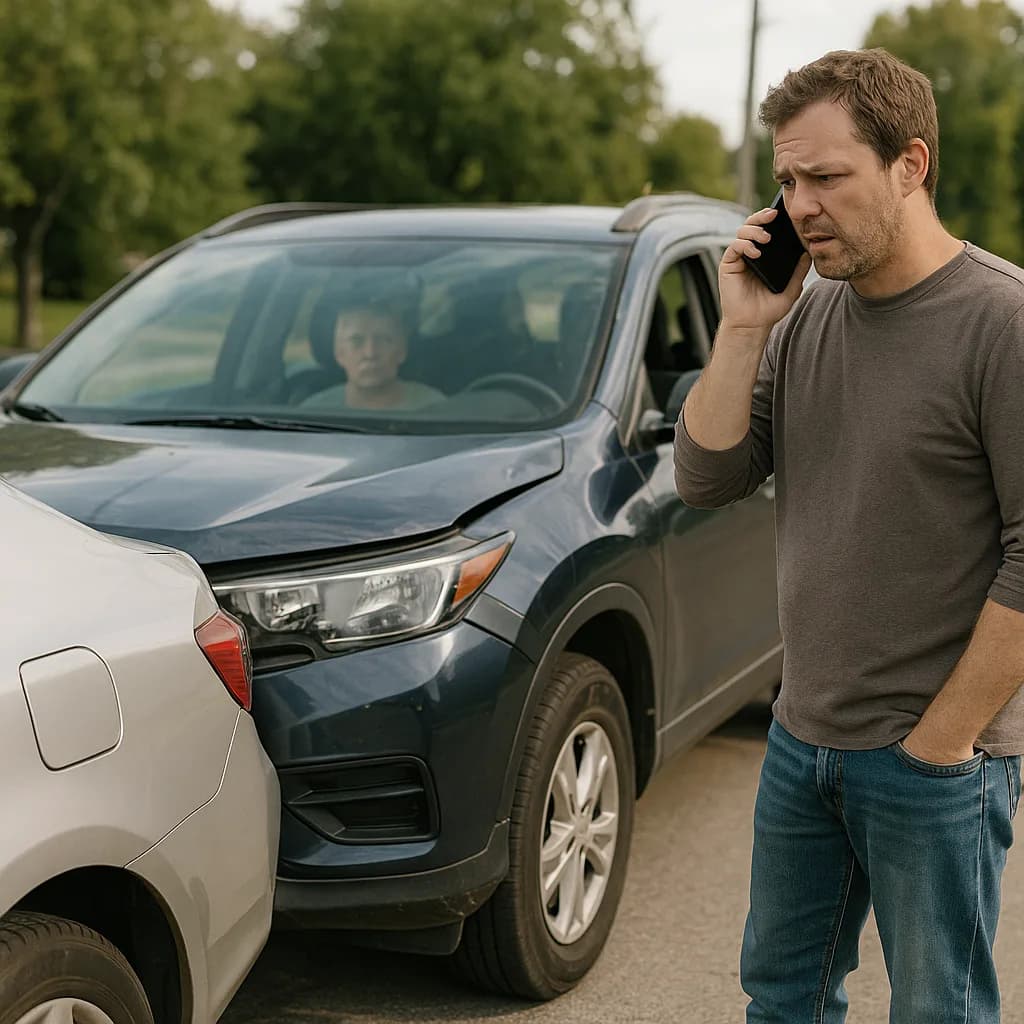
You were in an accident without insurance in Wisconsin. The other driver's information is on the police report, the damage is documented, and you now face three separate consequences that start immediately: personal liability for all damages you caused, a three-year SR-22 certificate filing requirement triggered by driving uninsured, and potential civil action from the other driver. Wisconsin does not suspend your license for this trigger alone, but the SR-22 filing requirement begins the moment the Wisconsin Department of Transportation, Division of Motor Vehicles (DMV) confirms you were driving without coverage.
The financial exposure is direct and unlimited. Wisconsin is a fault state, meaning the at-fault driver pays for damages. If you caused the accident, you are personally liable for the other driver's vehicle repairs, medical bills, lost wages, and any other damages a court awards. Wisconsin's minimum liability limits are $25,000 per person for bodily injury, $50,000 per accident for bodily injury, and $10,000 for property damage — but those limits describe what an insured driver's policy would pay, not what you owe. Without insurance, your personal assets are exposed to the full judgment amount.
Compare car insurance rates in your state
Get quotes from licensed carriers — no obligation, no spam, results in minutes.
Get Your Free QuoteWisconsin Uninsured Motorists
15.6%
More than one in seven drivers on Wisconsin roads carries no insurance, according to 2023 state data. That rate is higher than the national average and means uninsured-accident scenarios are common enough that the state has built a specific three-year SR-22 filing track for drivers caught without coverage.
Wisconsin state insurance statistics, 2023
The Three-Year SR-22 Filing Requirement
Wisconsin requires SR-22 filing for three years after an uninsured-driving incident. The SR-22 is not insurance — it is a certificate your insurance carrier files electronically with the Wisconsin DMV confirming you carry at least the state's minimum liability limits: $25,000 per person for bodily injury, $50,000 per accident, and $10,000 for property damage. The carrier files the certificate when you buy a policy and maintains it for the full three-year period.
The filing fee is set by the insurer, not the state. You will need either an owner SR-22 if you own a vehicle or a non-owner SR-22 if you do not. The non-owner certificate covers you when driving a vehicle you do not own; it does not cover a vehicle titled to you. If you own multiple vehicles, every vehicle on your policy must be listed on the SR-22 certificate.
The three-year period begins the day the DMV receives your SR-22 certificate, not the day of the accident. If you delay buying coverage and filing the SR-22, the three-year clock does not start. Every day without an active SR-22 on file extends the time before you can drive without the certificate again. The DMV does not send reminders; tracking the three-year period is your responsibility.
Wisconsin does not suspend your license for driving uninsured in an accident, but the SR-22 filing requirement is mandatory. If you drive without filing the SR-22, your license will be suspended the moment the DMV discovers it.
Finding a Carrier That Writes SR-22 Policies

Standard-tier carriers that write SR-22 in Wisconsin include Allstate, American Family, Farmers, Geico, Liberty Mutual, Progressive, and State Farm. These carriers write SR-22 certificates for drivers with clean records who need the certificate due to an administrative trigger like driving uninsured, but they may decline to write a policy if the accident involved significant damages or injuries. Non-standard carriers that specialize in high-risk drivers and write SR-22 certificates include Bristol West, Dairyland, GAINSCO, National General, The General, and USAA (for eligible military members and families). Non-standard carriers typically charge higher base rates but are more likely to accept drivers with accident history or other risk factors.
When comparing carriers, ask whether they file SR-22 certificates electronically (all carriers listed above do) and whether they offer a non-owner SR-22 option if you do not own a vehicle. Non-owner policies are typically less expensive than owner policies because they cover only liability when you drive a borrowed or rented vehicle. If you own a vehicle, you must buy an owner policy with SR-22 filing. Some carriers will not write a non-owner policy if you have regular access to a household vehicle, so be prepared to list every vehicle you drive regularly when you apply.
Related Articles





Personal Liability and Civil Judgments
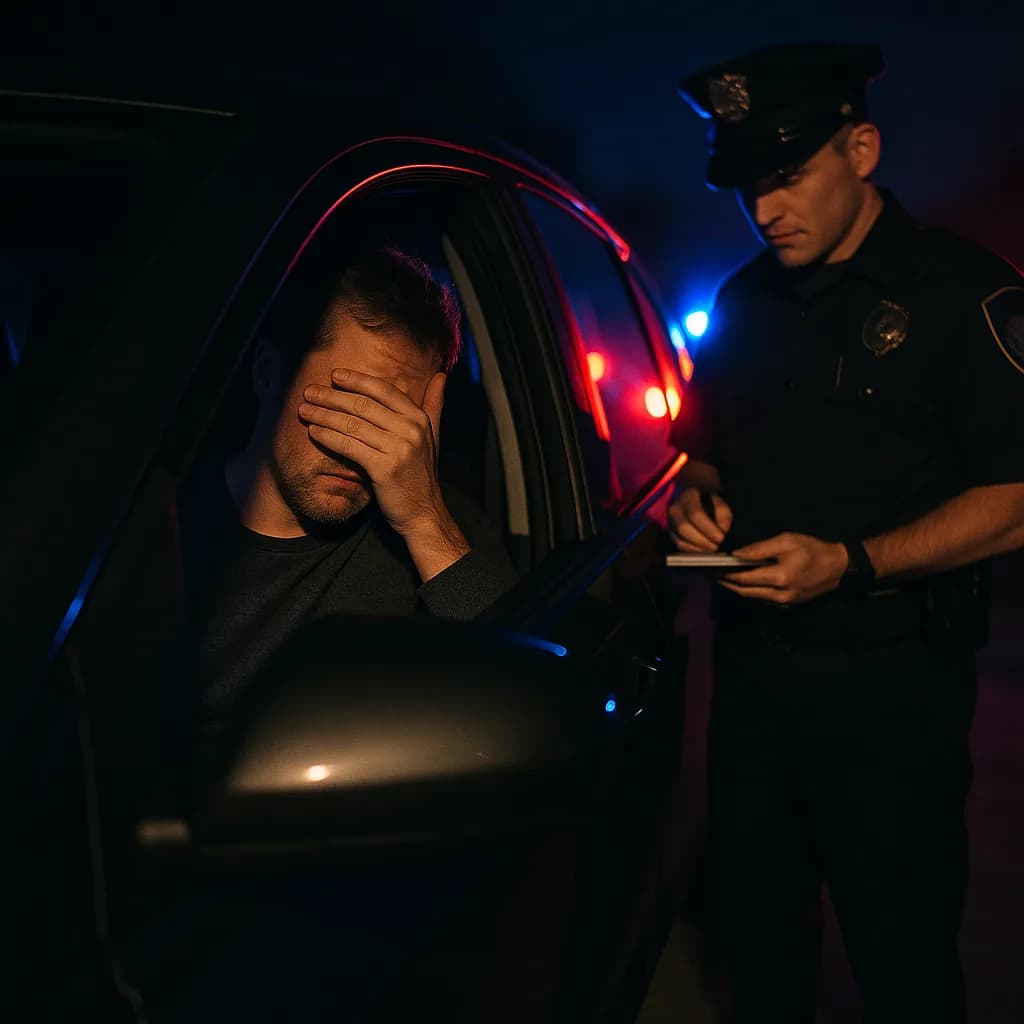
If you caused the accident, the other driver can sue you directly for damages. Wisconsin law allows the injured party to pursue a civil judgment for vehicle repairs, medical expenses, lost income, pain and suffering, and any other damages the court finds reasonable. A judgment can attach to your wages, bank accounts, and other assets. Wisconsin does not cap personal-injury damages in most cases, so a serious accident can result in a six-figure judgment that follows you for years.
The other driver's uninsured-motorist coverage may pay their damages initially, but their carrier will then pursue you for reimbursement through a process called subrogation. You cannot discharge this debt easily; it remains collectible until paid in full or settled.
If the other driver caused the accident and you were uninsured, you can still file a claim against their insurance, but you will face two obstacles. First, Wisconsin law bars uninsured drivers from recovering non-economic damages (pain and suffering, emotional distress) in most cases — you can recover only economic damages like medical bills and lost wages. Second, the other driver's carrier knows you have no insurance and no leverage, so settlement offers are typically lower than they would be if you had your own carrier negotiating on your behalf.
Wisconsin Reinstatement Fee
If your SR-22 policy lapses at any point during the three-year filing period, the Wisconsin DMV suspends your driving privilege immediately. The three-year SR-22 period does not reset, but the suspension and fee apply every time the certificate lapses.
Wisconsin DMV reinstatement fee schedule
Occupational License Option During SR-22 Period
Wisconsin offers an Occupational License (also called an Occupational Operator License) for drivers who need limited driving privileges during a suspension. If your license is suspended for a reason other than the uninsured-accident trigger — for example, unpaid fines or a separate violation — you can apply for an Occupational License that allows driving to and from work, church, or other court-approved locations. The Occupational License requires SR-22 filing, proof of identity, a vision screening, and a $50 application fee. You apply in person at any DMV Customer Service Center (not Renewal Offices) using forms MV3001 and MV3027.
The Occupational License is not automatic. You must demonstrate a specific need — typically employment or medical appointments — and the DMV or court sets the permitted driving times and routes. Total driving is limited to 12 hours per day and 60 hours per week. If you have two or more OWI (Operating While Intoxicated) convictions, you must provide proof of an alcohol or drug assessment and a driver safety plan. If a court ordered an ignition interlock device, you must install the device on every vehicle you own before the Occupational License is issued.
Maintaining Continuous Coverage for Three Years
The SR-22 filing requirement lasts three years from the date the DMV receives your certificate. During that period, you must maintain continuous liability coverage at or above Wisconsin's minimum limits: $25,000 per person for bodily injury, $50,000 per accident, and $10,000 for property damage. If your policy lapses for even one day, the carrier notifies the DMV electronically, and your driving privilege is suspended immediately.
Set up automatic payments and monitor your policy renewal dates closely. Carriers sometimes non-renew SR-22 policies if they decide the risk is too high, and you will receive only the minimum notice required by Wisconsin law (typically 30 to 60 days). If you receive a non-renewal notice, start shopping for a new carrier immediately. Do not let the policy lapse while you search. If you cannot find a standard carrier willing to write your policy, contact a non-standard carrier or an independent agent who specializes in high-risk drivers. Wisconsin does not operate an assigned-risk pool for SR-22 drivers, so finding coverage is your responsibility.
After three years, the SR-22 requirement ends automatically. The DMV does not send a confirmation letter; the certificate simply expires, and you are no longer required to carry it. Your carrier may continue to file the SR-22 out of habit unless you tell them to stop, so confirm with your agent that the certificate has been removed from your policy. Once the SR-22 is removed, you can shop for standard coverage again if you maintained a clean record during the three-year period.
Next Step: File Your SR-22 and Compare Carriers
Buy a liability policy that meets Wisconsin's minimum limits and request SR-22 filing from the carrier. The carrier files the certificate electronically with the Wisconsin DMV, and your three-year SR-22 period begins the day the DMV receives it. Compare quotes from at least three carriers — standard-tier carriers if your record is otherwise clean, non-standard carriers if the accident involved significant damages or if you have other violations. If you do not own a vehicle, ask for a non-owner SR-22 policy. If you own multiple vehicles, confirm that every vehicle will be listed on the SR-22 certificate. Do not delay — every day without an active SR-22 on file extends the time before you can drive without the certificate again.