
License Reinstatement After Driving Uninsured — Wisconsin
Free to compare
What Happens When You Drive Without Insurance in Wisconsin
You were pulled over or involved in an accident without valid insurance, or your policy lapsed and the state was notified. Wisconsin does not automatically suspend your license for driving uninsured — this trigger alone does not carry a suspension. But the state does require SR-22 filing for three years from the date you are caught or the lapse is reported, and that filing requirement blocks any other reinstatement you might need until it is satisfied.
The confusion comes from mixing two separate systems: the penalty for the uninsured violation itself (which is typically a citation and fine, handled by the court) and the SR-22 filing requirement the Wisconsin Department of Transportation imposes as a condition of maintaining or reinstating driving privileges. The SR-22 is not a punishment — it is a compliance certificate your insurer files with the DMV proving you carry at least the state minimum liability coverage continuously for the full three-year period.
“If your SR-22 policy lapses at any point during the three years, the clock resets — you start over from the new filing date.”

See What Wisconsin Drivers Pay for the Coverage They Need
Get My Wisconsin Car Insurance Quote3 years
Wisconsin SR-22 Filing Period
Wisconsin requires SR-22 filing for three years after driving without insurance. The clock starts from the date of the violation or lapse notification, not the date you file the certificate. If the SR-22 lapses at any point during those three years, the period resets and you start over.
Wisconsin Department of Transportation, Division of Motor Vehicles
The SR-22 Filing Requirement and What It Actually Does
The SR-22 is a certificate of financial responsibility your insurance carrier files electronically with the Wisconsin DMV. It proves you carry liability coverage meeting at least the state minimum: $25,000 per person for bodily injury, $50,000 per accident for bodily injury, and $10,000 for property damage. The carrier files the certificate when you buy the policy and notifies the DMV immediately if the policy cancels or lapses for any reason.
The SR-22 itself does not raise your premium, but the fact that you need one signals higher risk to insurers, and that risk assessment does affect your rate. Not every carrier writes SR-22 policies, so your options narrow compared to standard coverage.
The three-year filing period is continuous. If your policy lapses or cancels at any point during those three years — even one day — the carrier notifies the DMV, your filing period resets, and you must file a new SR-22 and start the three-year clock over from the new filing date. This reset rule is the most common reinstatement failure mode: drivers assume the original three years still count, but the state does not track partial compliance.
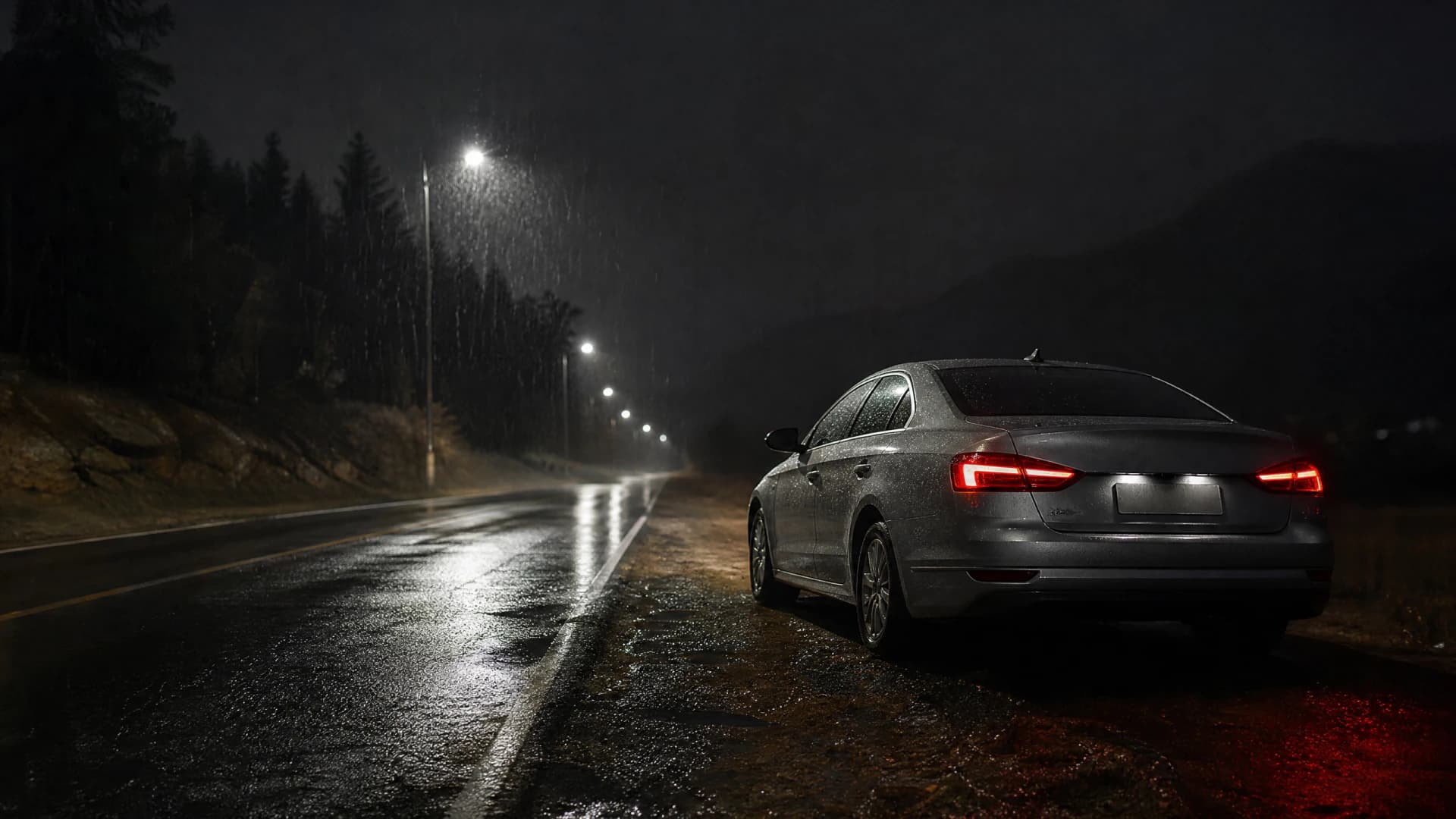
If your SR-22 policy lapses at any point during the three-year period, the clock resets — you do not pick up where you left off.





SR-22 Owner Versus Non-Owner Policies
If you own a vehicle, you must purchase an SR-22 owner policy — standard liability coverage that lists the vehicles you own and files the SR-22 certificate. The policy covers the listed vehicles and meets the state's proof-of-insurance requirement for registration and plating. If you own multiple vehicles, every vehicle you own must appear on the SR-22 policy or on a separate policy that also carries SR-22 filing; Wisconsin does not allow you to SR-22-insure one car while leaving another uninsured.
If you do not own a vehicle but need to reinstate your license or maintain driving privileges, you can purchase an SR-22 non-owner policy. This is liability-only coverage with no vehicle listed — it covers you when you drive a car you do not own, such as a borrowed vehicle or a rental. The non-owner policy files the SR-22 certificate and satisfies the state's financial-responsibility requirement, but it does not provide coverage for a vehicle you own, register, or regularly use. If you later buy a vehicle during the three-year SR-22 period, you must convert to an owner policy immediately and notify your carrier to refile the SR-22 under the new policy.
Non-owner SR-22 policies are typically less expensive than owner policies because they carry lower liability exposure — you are not insuring a specific vehicle. But the SR-22 filing fee is the same regardless of policy type, and the three-year continuous-coverage requirement applies equally to both.
15.6%
Wisconsin Uninsured Motorist Rate
15.6% of Wisconsin motorists drive without insurance, one of the highest uninsured rates in the region. This rate drives the state's strict SR-22 enforcement and the mandatory uninsured-motorist coverage requirement — Wisconsin law requires every auto policy to include uninsured-motorist coverage at the same limits as your liability coverage unless you decline it in writing.
Insurance Information Institute, 2023

What Happens If You Need an Occupational License
If your license is suspended for a different reason — a DUI, excessive points, unpaid fines, or another violation — and you need to drive for work or other essential purposes during the suspension, Wisconsin offers an Occupational License (also called an Occupational Operator License). The Occupational License allows restricted driving to and from work, church, school, medical appointments, and other court-approved locations during specific hours listed on the license.
To apply for an Occupational License, you must file in person at any Wisconsin DMV Customer Service Center (not Renewal Offices). Bring completed forms MV3001 and MV3027, proof of identity, a vision screening or test result, and your SR-22 certificate. The application fee is $50, and processing is same-day if all documentation is complete. If your suspension stems from two or more OWI convictions, you must also provide proof of an alcohol or drug assessment and a driver safety plan. If the court ordered ignition interlock device installation, you must provide proof that an IID is installed on every vehicle you own, title, or register before the DMV will issue the Occupational License.
The Occupational License does not lift your suspension — it creates a narrow exception that allows you to drive only for the purposes and during the times listed on the license. Recreational driving, commercial driving, and any driving outside the approved hours or routes is prohibited and treated as driving on a suspended license, which carries additional penalties including possible jail time. The SR-22 filing requirement runs concurrently with the Occupational License period; you must maintain continuous SR-22 coverage for the full three years regardless of whether you hold an Occupational License or wait out the suspension.
Reinstating Your License After the SR-22 Period Ends
Once you complete the full three-year SR-22 filing period without any lapses, your carrier notifies the DMV that the requirement is satisfied. Wisconsin does not charge a reinstatement fee specifically for completing SR-22 filing after an uninsured-driving violation — this trigger does not carry a suspension, so there is no suspension to lift. If your license was suspended for a different reason and you paid the reinstatement fee for that suspension, the SR-22 filing requirement is separate and does not add another fee.
After the three-year period ends, you are no longer required to carry SR-22 coverage. You can switch to a standard policy with a different carrier if you choose, and your rate will typically drop because you are no longer classified as high-risk. But you must maintain continuous liability coverage at or above the state minimum for as long as you own a vehicle or hold a Wisconsin driver license — letting your coverage lapse after the SR-22 period ends triggers a new SR-22 filing requirement and resets the three-year clock.

Compare SR-22 Carriers and Lock In Continuous Coverage
The SR-22 filing requirement is non-negotiable, and the three-year period is unforgiving — one lapse resets the entire clock. Your next step is to compare carriers that write SR-22 policies in Wisconsin, obtain quotes that include the filing fee, and purchase coverage that you can afford to maintain without interruption for the full three years. Dairyland, Progressive, GEICO, The General, and GAINSCO all write SR-22 policies in Wisconsin and offer online quotes. State Farm and Farmers write SR-22 but require you to work with an agent. Call each carrier, confirm SR-22 availability, and compare the total annual premium including the filing fee. Once you choose a carrier, bind the policy immediately and verify that the SR-22 certificate is filed electronically with the Wisconsin DMV the same day. Keep proof of insurance in your vehicle at all times, set a calendar reminder for your renewal date, and do not let the policy lapse under any circumstance.
How to Obtain SR-22 Coverage in Wisconsin
Start by contacting carriers that write SR-22 policies in Wisconsin. Not all standard carriers offer SR-22 filing — some decline high-risk drivers outright, others refer you to a non-standard subsidiary. Carriers confirmed to write SR-22 in Wisconsin include Dairyland, Progressive, GEICO, State Farm, The General, GAINSCO, Bristol West, National General, Farmers, USAA, and Root. Call each carrier directly or request a quote online specifying that you need SR-22 filing; the carrier will confirm eligibility and provide a quote that includes their SR-22 filing fee.
Once you purchase the policy, the carrier files the SR-22 certificate electronically with the Wisconsin DMV. Filing is typically instantaneous — the DMV receives the certificate the same day the policy binds. You do not need to visit a DMV office to file the SR-22; the carrier handles the entire filing process. Keep a copy of your SR-22 certificate and your insurance ID card in your vehicle at all times — Wisconsin law requires you to provide proof of insurance on demand during any traffic stop.
Get Your Free Quote
Get My Wisconsin Car Insurance QuoteFrequently Asked Questions
Does Wisconsin suspend your license for driving without insurance?
No. Wisconsin does not automatically suspend your license for driving without insurance. The state requires SR-22 filing for three years after the violation, but this trigger alone does not carry a suspension. If your license is suspended for a different reason, the SR-22 filing requirement runs separately and must be satisfied before you can reinstate.
How long do you need SR-22 insurance in Wisconsin after driving uninsured?
Wisconsin requires SR-22 filing for three years after driving without insurance. The three-year period starts from the date of the violation or the date the state was notified of the lapse. If your SR-22 policy lapses at any point during those three years, the period resets and you start over from the new filing date.
How much does SR-22 filing cost in Wisconsin?
Wisconsin does not charge a state SR-22 filing fee. The SR-22 itself does not raise your premium, but the fact that you need one signals higher risk to insurers, and that risk assessment does affect your rate.
Can you get an Occupational License in Wisconsin if you need SR-22 filing?
Yes. If your license is suspended for a different reason and you need to drive for work or essential purposes, you can apply for an Occupational License at any Wisconsin DMV Customer Service Center. You must bring your SR-22 certificate, completed forms MV3001 and MV3027, proof of identity, a vision test, and a $50 fee. The Occupational License allows restricted driving only — work, church, school, medical appointments, and other court-approved locations during specific hours.
What happens if your SR-22 insurance lapses in Wisconsin?
If your SR-22 policy lapses or cancels at any point during the three-year filing period, your carrier notifies the Wisconsin DMV immediately. Your filing period resets, and you must purchase a new SR-22 policy and start the three-year clock over from the new filing date. The state does not track partial compliance — you must complete three continuous years without any lapses.
Do you need SR-22 insurance if you don't own a car in Wisconsin?
Yes, if the state requires SR-22 filing. You can purchase an SR-22 non-owner policy — liability-only coverage with no vehicle listed. The non-owner policy files the SR-22 certificate and satisfies the state's financial-responsibility requirement. If you later buy a vehicle during the three-year SR-22 period, you must convert to an owner policy immediately and refile the SR-22.