Why Your Multi-Car Premium Landed Where It Did
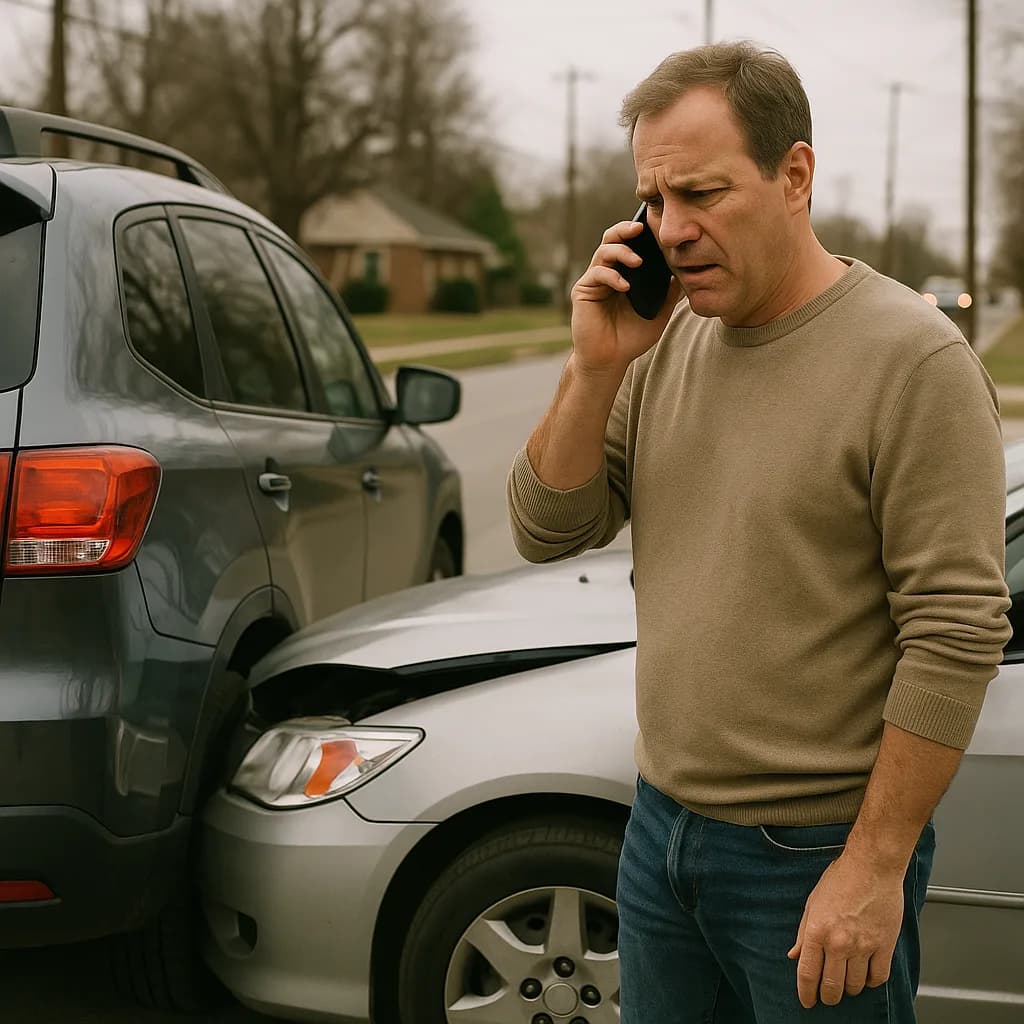
You added a second vehicle to your Wisconsin policy and the premium jumped—but not by a flat amount, and not by the simple cost of insuring one more car. The household total changed because every vehicle on the policy contributes its own risk profile to a shared calculation, and the multi-car discount applies to the combined premium after each car is individually rated. The sticker price you see reflects how Wisconsin's liability structure, your household's driving records, and each vehicle's attributes interact on one policy.
Wisconsin requires $25,000 per person / $50,000 per accident bodily injury liability and $10,000 property damage, plus mandatory uninsured motorist coverage. Those minimums anchor every quote, but the household premium depends on how many vehicles you're covering, where each is garaged, how each is used, and who drives them. This article walks through the specific factors that determine your multi-vehicle rate in Wisconsin—and why adding or removing one car re-rates the entire policy.
Compare car insurance rates in your state
Get quotes from licensed carriers — no obligation, no spam, results in minutes.
Get Your Free QuoteWI Per-Vehicle Expenditure
Wisconsin drivers spent an average of $1,062.98 per insured vehicle in 2023, below the national median. Multi-car policies spread fixed costs across vehicles, lowering the per-car average when the household qualifies for the multi-vehicle discount.
NAIC Auto Insurance Database Report 2023
Each Vehicle Contributes Its Own Risk Profile
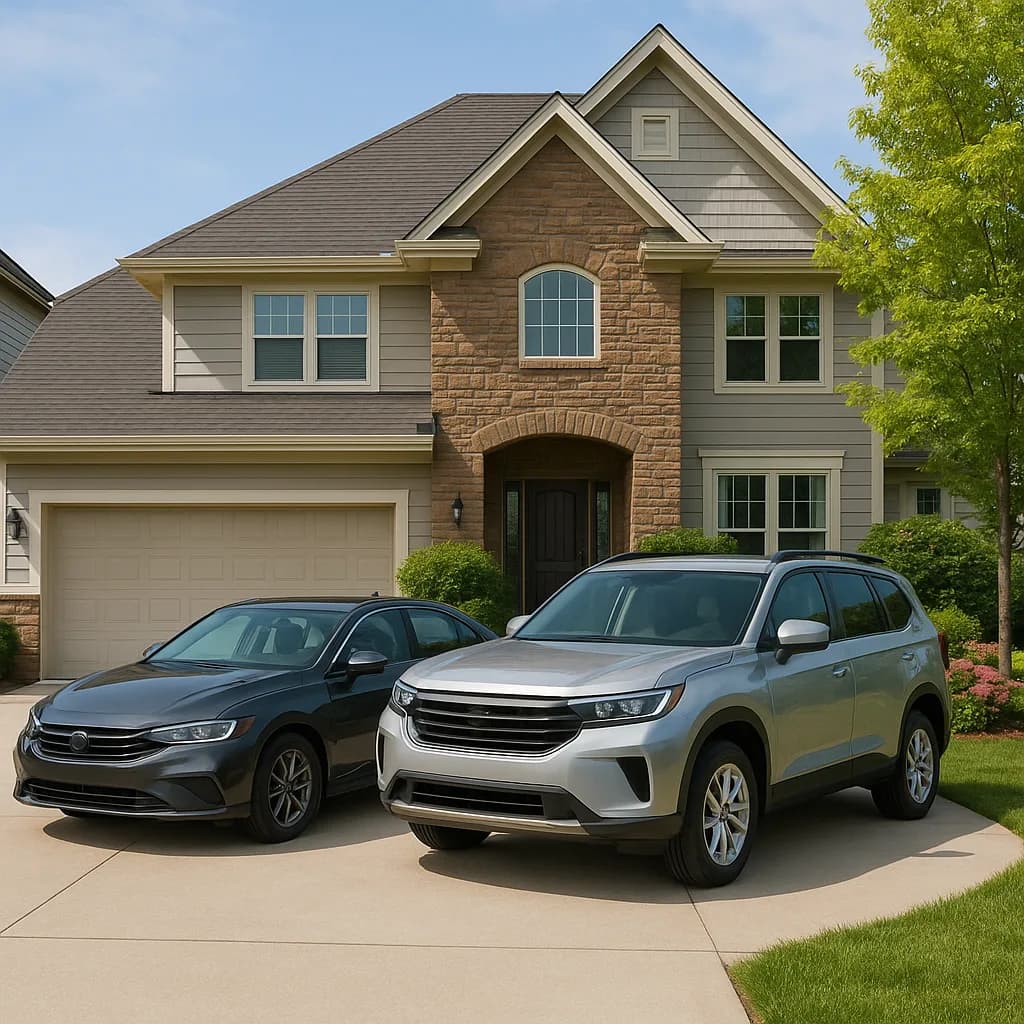
Carriers rate each vehicle on your policy separately before applying the multi-car discount. A 2018 sedan and a 2022 SUV sitting on the same policy are not priced identically—the SUV's higher replacement cost, larger engine, and newer safety features each influence its portion of the household premium. Collision and comprehensive coverage costs scale with the vehicle's value; liability coverage scales with the vehicle's power and typical repair costs when it damages another car.
Vehicle age matters because older cars cost less to replace but may lack modern safety features that reduce injury severity in crashes. A 15-year-old car with no anti-lock brakes or stability control presents different risk than a three-year-old model with automatic emergency braking. Wisconsin does not mandate specific safety equipment for registration, but carriers price the difference into the premium.
How each vehicle is used also separates the household rate. A car driven 25 miles daily for commuting carries higher exposure than one driven 5,000 miles annually for errands. Carriers ask annual mileage and primary use for each vehicle—commute, pleasure, business—and adjust the rate accordingly. If one household vehicle is a work truck driven 40,000 miles per year and another is a weekend car driven 3,000, the premium reflects that gap even though both sit on the same policy.
Adding a vehicle mid-term re-rates the entire policy, not just the new car. The household discount recalculates, and every vehicle's rate adjusts to the new total.
Driver Assignment and Household Composition
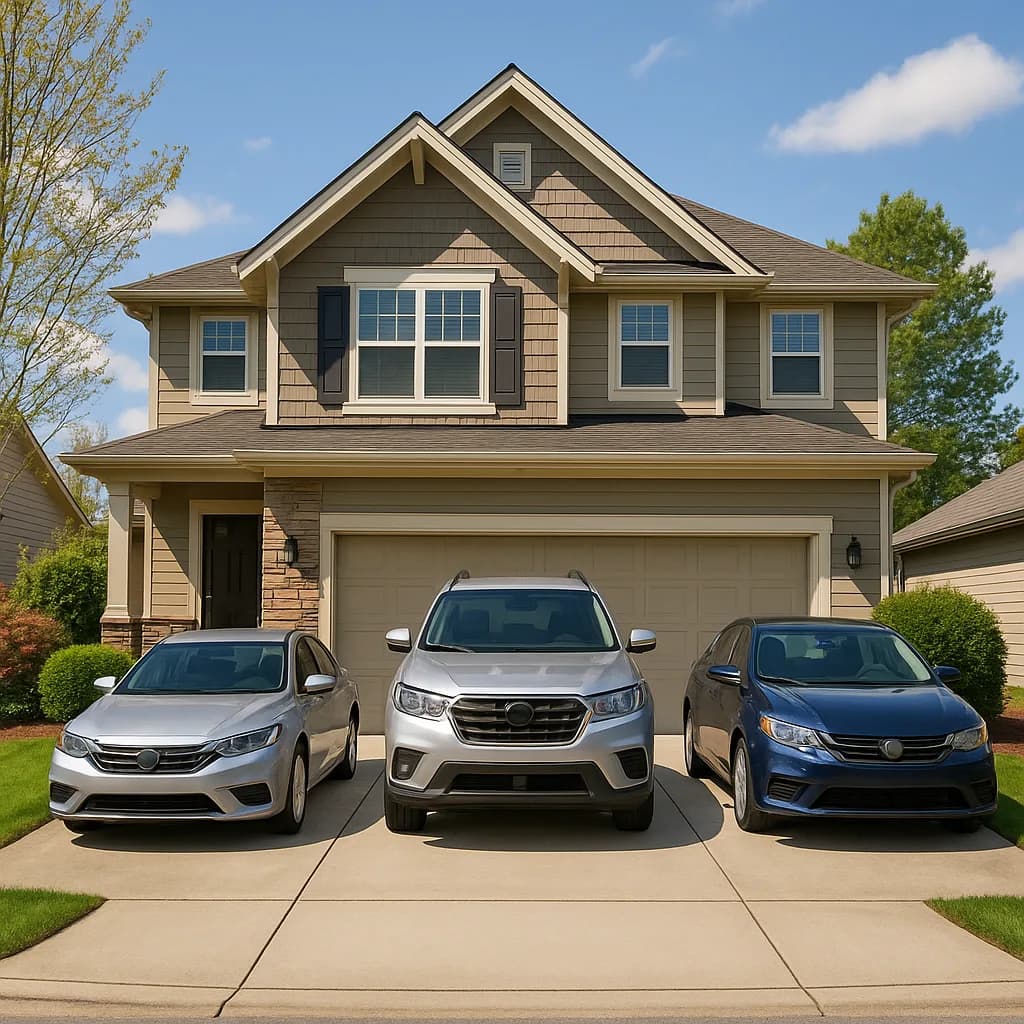
A household with two adults and two vehicles typically assigns each driver to one car as the principal operator. If one driver has a clean record and the other has a speeding ticket, the carrier prices the ticket into the vehicle that driver is assigned to—but because both vehicles sit on one policy, the household total reflects both profiles. The multi-car discount applies after individual rating, so a violation on one vehicle raises the combined premium even with the discount in place.
Adding a teenage driver to a multi-car policy re-rates the household significantly. Wisconsin licenses intermediate drivers at 16 and full-privilege drivers at 18, and carriers price teen risk into the vehicle the teen is assigned to as primary operator. If the teen drives the older, lower-value car, collision and comprehensive costs stay lower than if the teen is assigned to the newer SUV—but liability risk remains high regardless of vehicle age, and that component affects the household total.
Related Articles



Location, Garaging Address, and Territory Rating
Wisconsin carriers divide the state into rating territories based on claim frequency, theft rates, and traffic density. Milwaukee, Madison, and Green Bay sit in higher-cost territories than rural counties; a household garaging three vehicles in Dane County pays more than an identical household in Sawyer County. Territory rating applies to each vehicle based on its garaging address, so if one car is garaged at a different location—a college student's apartment, a second home, a business lot—it may sit in a different territory and carry a different rate component.
Wisconsin registered 5,681,673 motor vehicles in 2022 and recorded 66,167 million vehicle miles traveled. Traffic density concentrates in the southeast corridor and around university towns, and carriers price that exposure into the territory rate. A household with two cars garaged at the same address in a low-density county benefits from uniform territory pricing across both vehicles; a household splitting garaging addresses between Milwaukee and a northern lake property sees the rate difference reflected in the combined premium.
Theft rates also vary by territory. Wisconsin recorded 167.8 motor vehicle thefts per 100,000 population in 2024, but theft concentrates in urban counties. Comprehensive coverage—which pays for theft, vandalism, weather damage, and animal strikes—costs more in high-theft territories. A household insuring a truck and a sedan in a rural county with low theft rates pays less for comprehensive than the same household in Milwaukee, even if the vehicles and drivers are identical.
WI Uninsured Motorist Rate
15.6%
15.6% of Wisconsin motorists drove uninsured in 2023. Uninsured motorist coverage is mandatory in Wisconsin, and carriers price the state's uninsured rate into the premium—higher uninsured rates increase the likelihood your policy pays a claim when an at-fault driver has no coverage.
Insurance Research Council 2023
Coverage Selections and Deductible Choices
Wisconsin requires liability and uninsured motorist coverage but does not mandate collision or comprehensive. A household insuring an older paid-off vehicle and a financed newer car can drop collision and comprehensive on the older car and carry full coverage on the financed one. The premium reflects that split—liability and uninsured motorist apply to both vehicles, but collision and comprehensive costs disappear from the older car's portion of the household rate.
Deductible choices also separate the household premium. Collision and comprehensive each carry a deductible—the amount you pay out of pocket before the carrier pays a claim. A $500 deductible costs more in premium than a $1,000 deductible because the carrier's exposure is higher. A household carrying $500 deductibles on two vehicles and $1,000 deductibles on a third pays a blended rate that reflects all three choices. Raising deductibles across the household lowers the combined premium; lowering them raises it.
How the Multi-Car Discount Works—and When It Doesn't
The multi-car discount applies when every vehicle in the household sits on the same policy, typically garaged at the same address, and insured by the same carrier. The discount is a percentage reduction applied to the combined premium after each vehicle is individually rated. A household with three vehicles rated at higher individual amounts can end up paying less total premium than a household with two vehicles rated lower—if the three-car household qualifies for a larger multi-vehicle discount and the two-car household does not.
The discount does not apply to vehicles titled to someone outside the household or to vehicles insured on separate policies. If a household member keeps their own policy on their own vehicle, that car does not count toward the multi-car discount on your policy—even if they live at the same address. Combining policies after marriage, a move, or a household change can unlock the discount, but only if every vehicle transfers to the same policy and meets the carrier's same-household requirements. Carriers define household differently; some require shared garaging address, others allow separate addresses within the same county. Check your carrier's multi-car discount requirements before assuming a newly-added vehicle qualifies.
Compare Carriers That Write Multi-Vehicle Policies in Wisconsin
Wisconsin licenses carriers with different multi-car discount structures, territory pricing, and vehicle-rating models. State Farm, Progressive, GEICO, Allstate, American Family, and Auto-Owners all write multi-vehicle policies in Wisconsin, but each prices the household differently. One carrier may offer a larger multi-car discount but higher base rates; another may price territory risk more aggressively in your county but offer better rates for your vehicle mix. The only way to know which carrier prices your specific household lowest is to compare quotes with identical coverage across every vehicle on the policy—same liability limits, same deductibles, same drivers assigned to the same cars. Use the site's comparison tool to request quotes from carriers writing your household's vehicles, or contact a Wisconsin-licensed broker who can quote multiple carriers at once.