
Minimum vs Full Coverage — Wisconsin
Free to compare
The Minimum-Versus-Full Question When You Insure Multiple Cars
You own two or three vehicles, you're structuring one policy to cover all of them, and you're weighing whether to carry Wisconsin's state minimums or add collision and comprehensive to every car. The decision feels straightforward until you realize Wisconsin mandates uninsured motorist coverage on top of the liability floor, which means your "minimum" policy already costs more than the bare liability-only product most drivers picture.
The structural reality: Wisconsin's minimum is not just liability. The state requires $25,000 per person and $50,000 per accident in bodily injury liability, $10,000 in property damage liability, and uninsured motorist coverage at the same limits. Full coverage adds collision and comprehensive to that base. When you're adding a second or third vehicle to the policy, the marginal cost of collision and comprehensive on each additional car changes the math — sometimes narrowing the gap between minimum and full to the point where dropping physical damage coverage saves less than you expect.
“Wisconsin's uninsured motorist mandate raises the floor cost of minimum coverage, narrowing the savings gap between liability-only and full coverage on a multi-car policy.”

See What Wisconsin Drivers Pay for the Coverage They Need
Get My Wisconsin Car Insurance Quote$25,000/$50,000/$10,000
Wisconsin Liability Minimums
Wisconsin requires $25,000 per person and $50,000 per accident in bodily injury liability, plus $10,000 in property damage liability. Uninsured motorist coverage at matching limits is also mandatory, raising the floor cost of any compliant policy.
Wisconsin Department of Transportation
What Minimum Coverage Actually Includes in Wisconsin
Minimum coverage in Wisconsin is bodily injury liability at $25,000 per person and $50,000 per accident, property damage liability at $10,000 per accident, and uninsured motorist coverage at the same bodily injury limits. The liability portion pays for injuries and property damage you cause to others. The uninsured motorist portion pays for your own injuries when an at-fault driver has no insurance or insufficient coverage.
Minimum coverage does not pay to repair your own vehicles after a collision, does not cover theft or vandalism, and does not cover damage from weather, fire, or animal strikes. If you total your car in an at-fault crash or your vehicle is stolen, you pay the replacement cost out of pocket. When you're insuring multiple vehicles on one policy, that exposure multiplies — a total loss on any one car is your full financial responsibility.
The uninsured motorist mandate is the structural detail most drivers miss. Wisconsin does not allow you to waive UM coverage unless you do so in writing, and most carriers build it into the base policy automatically. That means the cheapest compliant policy in Wisconsin already includes bodily injury protection for you and your passengers when the other driver is uninsured, which narrows the cost gap between minimum and full coverage compared to states where UM is optional.
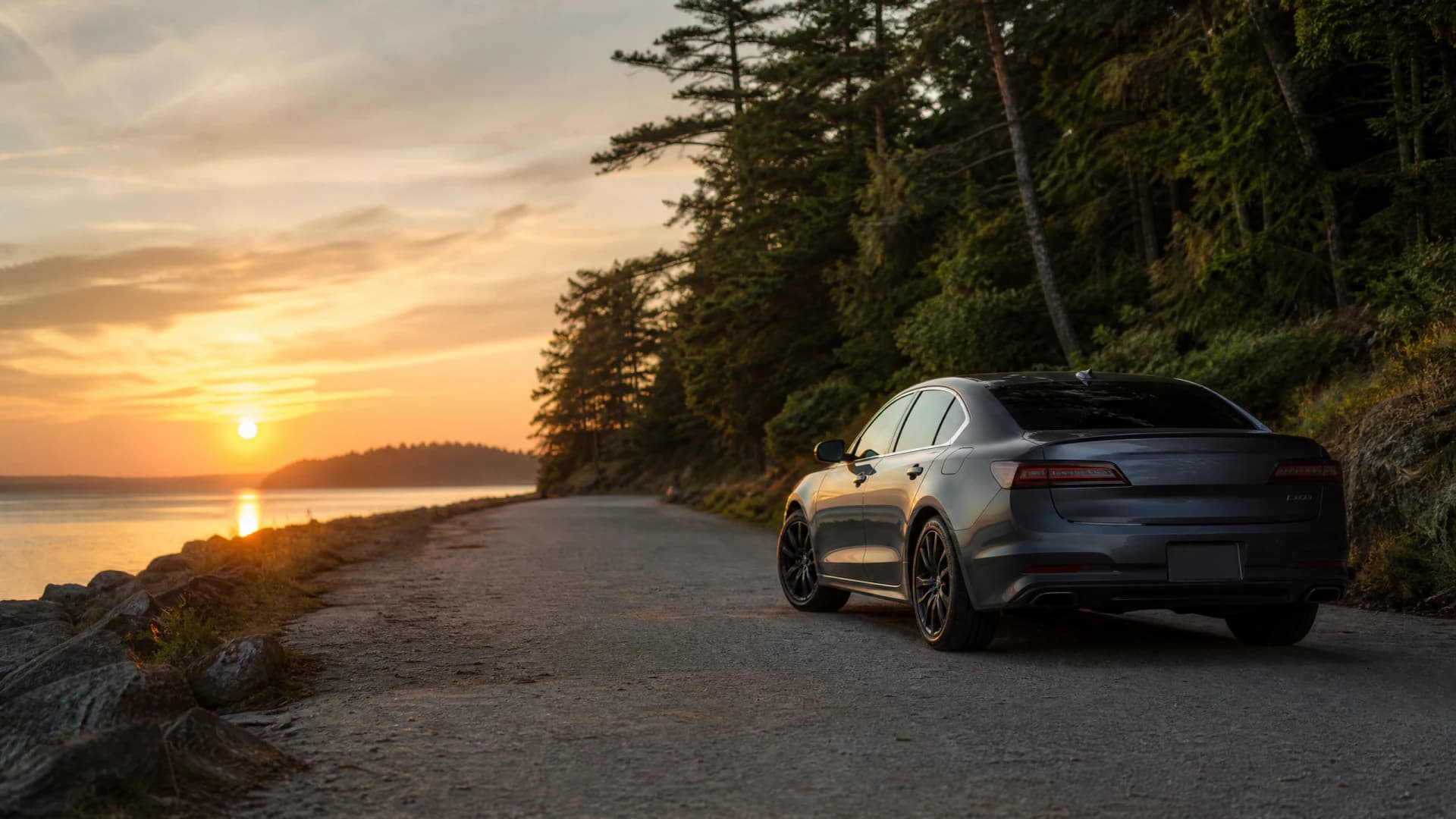
Wisconsin's uninsured motorist mandate raises the floor cost of minimum coverage, narrowing the savings gap between liability-only and full coverage on a multi-car policy.
Related Articles






How Adding Vehicles Changes the Minimum-Versus-Full Calculation
When you add a second vehicle to a Wisconsin policy, the liability and uninsured motorist coverages do not double — those limits apply per accident, not per vehicle. What does increase is the collision and comprehensive premium if you choose full coverage, because physical damage coverage is priced per vehicle based on each car's value, age, and theft risk. A household insuring a 2018 sedan and a 2022 SUV pays separate collision and comprehensive premiums for each, but shares one set of liability limits across both cars.
The marginal cost of adding collision and comprehensive to a second or third vehicle is often lower than the cost of adding it to the first, because carriers apply a multi-car discount to the entire policy. That discount typically ranges from a modest percentage to a more substantial reduction depending on the carrier, and it applies to the total premium including physical damage coverage. The result: the gap between a minimum-coverage policy and a full-coverage policy on three vehicles is not three times the gap on one vehicle — it's narrower, sometimes significantly.
The failure mode most households hit: they assume dropping collision and comprehensive on every car will cut the premium in half or more, but because the uninsured motorist mandate and the multi-car discount both affect the base cost, the actual savings is smaller.
15.6%
Wisconsin Uninsured Motorist Rate
15.6% of Wisconsin motorists were uninsured in 2023. The state's mandatory uninsured motorist coverage requirement exists to protect drivers from this exposure, and it raises the floor cost of any compliant policy above bare liability.
Insurance Research Council, 2023

When Minimum Coverage Makes Sense for a Multi-Car Household
Minimum coverage makes sense when every vehicle on the policy is old enough or low-value enough that you can afford to replace it out of pocket after a total loss. The conventional threshold: if a vehicle's market value is less than ten times your annual collision and comprehensive premium for that car, the coverage costs more over the vehicle's remaining life than the payout you would receive after a claim.
Minimum coverage also makes sense when your household can absorb the financial hit of losing one or more vehicles without financing a replacement. That calculation changes when you're financing any of the vehicles — lenders require collision and comprehensive as a condition of the loan, so you cannot drop to minimum coverage on a financed car regardless of your preference.
When Full Coverage Makes Sense Across Multiple Vehicles
Full coverage makes sense when you cannot afford to replace any vehicle on the policy out of pocket after a total loss. If your household depends on two or three cars for work commutes, school runs, and daily errands, losing one vehicle to theft or a crash creates immediate financial pressure.
Full coverage also makes sense when the vehicles on the policy are new enough or valuable enough that the collision and comprehensive premiums are a small fraction of replacement cost. The marginal cost of adding full coverage to a third vehicle in that scenario is often low enough that dropping it saves less than the household expects, especially after the multi-car discount applies.
The structural quirk Wisconsin households face: because uninsured motorist coverage is mandatory, your minimum-coverage policy already includes bodily injury protection for you and your passengers when the other driver has no insurance. That means the decision to add collision and comprehensive is purely about protecting your vehicles, not about protecting yourself — the UM mandate already handles part of that. When 15.6% of Wisconsin drivers are uninsured, that built-in protection has real value, and it narrows the cost gap between minimum and full in a way that makes full coverage more attractive than it would be in a state where UM is optional.

Compare Carriers That Write Multi-Car Policies in Wisconsin
The next step is to compare carriers that write multi-car policies in Wisconsin and see how each prices the minimum-versus-full decision for your specific household. Carriers price collision, comprehensive, and the multi-car discount differently — one carrier's full-coverage quote on three vehicles may come in lower than another carrier's minimum-coverage quote on the same cars, depending on how each weights vehicle age, driver history, and garaging location. Request quotes for both minimum and full coverage from at least three carriers, and compare the actual dollar gap between the two options rather than assuming full coverage will cost twice as much. Wisconsin's uninsured motorist mandate and the multi-car discount structure mean the gap is often smaller than you expect, and seeing the real numbers lets you make the decision based on your household's actual exposure rather than on a generic rule of thumb.
What Full Coverage Adds to the Minimum Base
Collision coverage pays to repair or replace your vehicle after a crash, regardless of fault. If you rear-end another car, sideswipe a guardrail, or roll your vehicle in a single-car accident, collision covers the damage to your car minus your deductible. When you're insuring multiple vehicles, collision applies separately to each car — a crash involving one vehicle does not affect coverage on the others, but you pay a separate deductible for each vehicle involved in a claim.
Comprehensive coverage pays for damage from non-collision events: theft, vandalism, fire, hail, flooding, falling objects, and animal strikes. Wisconsin's vehicle theft rate was 167.8 per 100,000 population in 2024, and deer strikes are common across the state. Comprehensive covers the repair or replacement cost minus your deductible. When you add a second or third vehicle to the policy, comprehensive applies to each car individually, and each claim triggers its own deductible.
Get Your Free Quote
Get My Wisconsin Car Insurance QuoteFrequently Asked Questions
What is the difference between minimum and full coverage in Wisconsin?
Minimum coverage in Wisconsin is $25,000/$50,000/$10,000 liability plus mandatory uninsured motorist coverage at matching bodily injury limits. Full coverage is minimum coverage plus collision and comprehensive on every vehicle. Collision pays to repair your car after a crash; comprehensive covers theft, vandalism, weather damage, and animal strikes.
Does Wisconsin require uninsured motorist coverage?
Yes. Wisconsin mandates uninsured motorist coverage at the same bodily injury limits as your liability coverage unless you waive it in writing. Most carriers include it automatically, which raises the floor cost of any compliant policy above bare liability and narrows the gap between minimum and full coverage.
How does the multi-car discount affect minimum versus full coverage cost?
The multi-car discount applies to the total premium including collision and comprehensive, which means the marginal cost of adding full coverage to a second or third vehicle is lower than adding it to the first. The gap between minimum and full coverage on three vehicles is narrower than three times the gap on one vehicle.
Can I carry full coverage on one vehicle and minimum coverage on another?
Yes. You can structure a multi-car policy with full coverage on newer or higher-value vehicles and minimum coverage on older or lower-value cars. Carriers price collision and comprehensive separately for each vehicle, so you choose the coverage level per car based on each vehicle's value and your ability to replace it.
When should I drop collision and comprehensive on a multi-car policy?
Drop collision and comprehensive when a vehicle's market value is low enough that you can afford to replace it out of pocket after a total loss. The conventional threshold is ten times your annual collision and comprehensive premium for that car. If you're financing the vehicle, the lender requires full coverage regardless of value.