
Updating Your Address on Wisconsin Car Insurance
Free to compare
When Moving Triggers a Policy Change
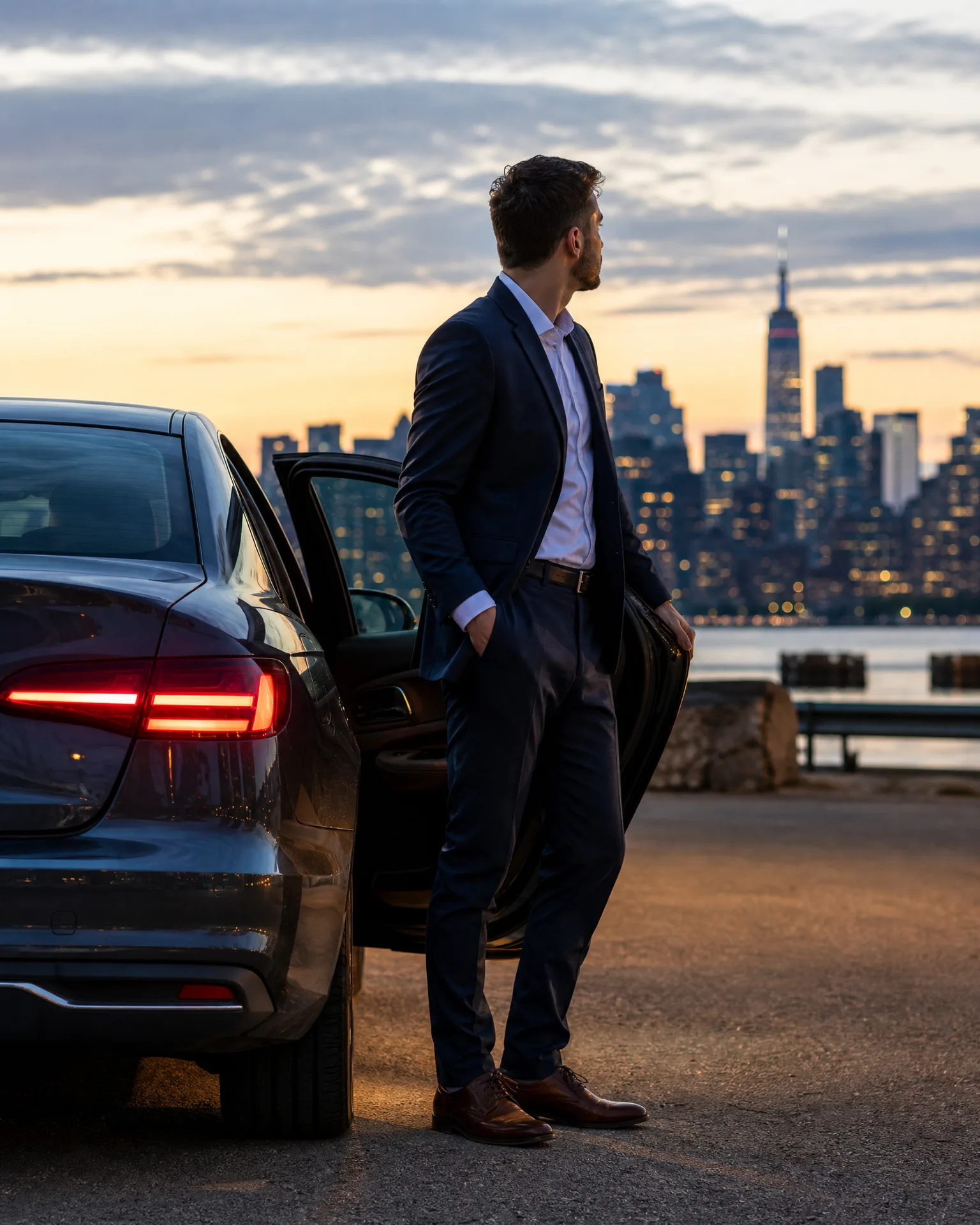
You moved to a new address in Wisconsin, and you have two or three cars on your policy. The carrier needs the new garaging address before your next renewal, but you are not sure whether to report it now or wait—and you just bought another vehicle that will be garaged at the new location. Reporting the move mid-term re-rates every vehicle on your policy, not just the new one, because garaging location is an underwriting factor for the entire household.
Wisconsin carriers use garaging address to calculate premium for collision, comprehensive, and liability coverage. A move from a rural county to Milwaukee changes theft risk, traffic density, and claim frequency. When you add a vehicle at the new address without updating the garaging location first, the carrier may deny a claim on any vehicle if the address on file does not match where the cars are actually kept overnight.
“A vehicle added at a new address while the policy shows the old garaging location can trigger claim denial on every car.”
See What Wisconsin Drivers Pay for the Coverage They Need
Get My Wisconsin Car Insurance Quote5,681,673
Registered Vehicles in Wisconsin
Wisconsin has 5,681,673 registered motor vehicles as of 2022, and carriers underwrite garaging location for every one. A household with multiple vehicles sees premium recalculated for all cars when the address changes, because each vehicle's risk profile shifts with the new location.
Wisconsin Department of Transportation, 2022
What Happens When You Report the New Address
Reporting a new garaging address mid-term triggers re-underwriting for every vehicle on your policy. The carrier recalculates premium based on the new location's theft rate, traffic density, and claim history. If you moved from a low-density county to a higher-density area, collision and comprehensive premiums typically increase. If you moved to a lower-risk area, premiums may decrease, and the carrier issues a pro-rated refund for the remainder of the term.
When you add a vehicle at the new address, the carrier needs the updated garaging location before binding coverage on the new car. If the policy still shows the old address, the new vehicle may be underwritten at the wrong location, and a claim on any vehicle—new or existing—can be denied if the carrier discovers the address mismatch during the claim investigation.
Wisconsin requires proof of insurance to register a vehicle. The registration address and the garaging address on your insurance policy must match. If you registered the new car at the new address but your policy still shows the old one, the DMV may flag the discrepancy, and the carrier may cancel the policy for material misrepresentation.

A vehicle added at a new address while the policy shows the old garaging location can trigger claim denial on every car, not just the new one.
Related Articles

How the Multi-Car Discount Applies After a Move
The multi-car discount requires every vehicle to sit on the same policy and, for most carriers, to be garaged at the same address. When you move and update the garaging location, the discount continues to apply to all vehicles as long as they remain on one policy and are kept at the new address overnight. If a household member keeps a car at a different address—for example, a college student who takes a vehicle to campus—the carrier may remove that vehicle from the multi-car discount or require a separate policy.
Adding a vehicle at the new address after the move does not change the multi-car discount structure, but it does re-rate the policy. The new vehicle qualifies for the discount immediately if it is garaged at the same address as the other cars. The carrier recalculates the total premium for all vehicles, applying the discount to each one, and the new total reflects the updated garaging location's risk profile.
If you are combining two policies after a move—for example, you and a spouse each had separate policies and are now consolidating into one household—the carrier treats the address update and the policy combination as a single re-underwriting event. Every vehicle is re-rated at the new garaging address, and the multi-car discount applies to the combined policy. The timing matters: update the address first, then request the policy combination, so the carrier underwrites all vehicles at the correct location from the start.
$25,000 / $50,000 / $10,000
Wisconsin Minimum Liability Limits
Wisconsin requires $25,000 bodily injury per person, $50,000 per accident, and $10,000 property damage. These minimums apply to every vehicle on your policy, and the carrier verifies that each car meets them when you update your address or add a vehicle.
Wisconsin Department of Transportation
When the Carrier Discovers an Unreported Move
If you move without updating your garaging address and file a claim, the carrier investigates where the vehicle was actually kept. If the claim occurred at or near the new address and the policy still shows the old one, the carrier may deny the claim for material misrepresentation. This applies to every vehicle on the policy, not just the one involved in the claim, because the garaging address is an underwriting factor for the entire household.
Wisconsin carriers can cancel a policy mid-term for material misrepresentation if they discover you moved without reporting the new address. The carrier sends a cancellation notice to the address on file, giving you a set number of days to update the information or find new coverage. If the notice goes to the old address and you do not receive it, the policy cancels, and you lose coverage on every vehicle. Driving without insurance in Wisconsin carries a fine, license suspension, and a requirement to file an SR-22 certificate for three years.
Compare Carriers That Write Multiple Vehicles in Wisconsin
When you move and need to update your garaging address, compare how carriers in Wisconsin handle mid-term address changes and multi-vehicle policies. Some carriers offer online address updates that process immediately; others require a phone call and a waiting period before the endorsement is issued. If you are adding a vehicle at the new address, ask whether the carrier can process both changes—the address update and the vehicle addition—in a single transaction, so you avoid paying two separate endorsement fees.
Wisconsin has carriers that specialize in multi-vehicle households and offer streamlined processes for address changes and vehicle additions. Wisconsin car insurance requirements include proof of insurance at registration, and the garaging address on your policy must match the registration address. Compare carriers that write policies in your new county, verify they offer the multi-car discount, and confirm they can bind coverage on the new vehicle immediately after the address update processes.
Steps to Update Your Address and Add a Vehicle
Contact your carrier before you move or as soon as you arrive at the new address. Provide the new street address, the date you began garaging vehicles there, and the number of vehicles you will keep at the location. The carrier re-rates the policy based on the new garaging location and issues an endorsement showing the updated address and the new premium. If you are adding a vehicle, wait for the address-change endorsement to process before requesting the vehicle addition—this ensures the new car is underwritten at the correct location from the start.
When you add the vehicle, provide the VIN, year, make, model, and the name of every household member who will drive it. The carrier binds coverage immediately if you already have a policy in force, but the new vehicle's premium is calculated using the updated garaging address. If you moved to a higher-risk area, the new car's premium reflects that risk. If you moved to a lower-risk area, you may pay less for the new vehicle than you would have at the old address.
Get Your Free Quote
Get My Wisconsin Car Insurance QuoteFrequently Asked Questions
Do I need to update my car insurance address before I move or after?
Update your garaging address as soon as you begin keeping vehicles at the new location, ideally before you move or within a few days of arrival. Wisconsin carriers re-rate every vehicle on your policy based on the new address, and a claim filed before you report the move can be denied for material misrepresentation.
Does updating my address change my premium for all my cars?
Yes. Wisconsin carriers recalculate premium for every vehicle on your policy when you update the garaging address, because location affects theft risk, traffic density, and claim frequency. If you moved to a higher-risk area, premiums typically increase; if you moved to a lower-risk area, you may receive a pro-rated refund.
Can I add a car to my policy at the new address before updating the garaging location?
No. The carrier needs the updated garaging address on file before binding coverage on a new vehicle. Adding a car while the policy shows the old address creates an underwriting mismatch that can void coverage on every vehicle if a claim is filed.
What happens if I move and do not update my insurance address?
If you file a claim and the carrier discovers the vehicle was garaged at an unreported address, the claim can be denied for material misrepresentation. Wisconsin carriers can also cancel your policy mid-term, and driving without insurance carries a fine, license suspension, and a three-year SR-22 filing requirement.
Does the multi-car discount still apply after I move?
Yes, as long as all vehicles remain on the same policy and are garaged at the same address. If a household member keeps a car at a different location, the carrier may remove that vehicle from the discount or require a separate policy.
How long does it take to process an address change on my Wisconsin car insurance?
Most Wisconsin carriers process address changes within one to two business days and issue an endorsement showing the updated garaging location and the new premium. If you are adding a vehicle at the same time, the carrier typically processes both changes together, but confirm the address update is complete before the new car is bound.