
New Car Insurance Requirements — Wisconsin
Free to compare
The Grace Window Closes Faster Than You Think
You drove your new car off the lot yesterday and your existing Wisconsin auto policy automatically extends coverage to it. That grace period lasts 14 to 30 days depending on your carrier, but the multi-car discount you've been receiving on your other vehicles does not automatically transfer. Most carriers require you to formally add the new vehicle to the policy within that window to maintain same-policy status and preserve the discount across all cars.
Miss the reporting deadline and your carrier may treat the new car as a separate risk, re-rate your entire policy without the multi-car discount, or deny coverage for a claim filed during the gap. The procedural blocker is not whether you have coverage during the grace period — you do — but whether the new vehicle qualifies for the discount structure you built around your existing cars. This article walks the exact reporting path, the documentation your carrier needs, and how Wisconsin's liability minimums apply when you add a vehicle mid-term.
“The grace period covers the new car, but it does not preserve your multi-car discount unless you formally add the vehicle within your carrier's reporting window.”
See What Wisconsin Drivers Pay for the Coverage They Need
Get My Wisconsin Car Insurance Quote$25,000 / $50,000 / $10,000
Wisconsin Minimum Liability
Wisconsin requires $25,000 bodily injury per person, $50,000 per accident, and $10,000 property damage. Every vehicle on your policy must carry at least these limits; adding a car does not let you drop below them on any vehicle.
Wisconsin Department of Transportation, Division of Motor Vehicles
What Happens When You Add a Car to an Existing Policy
Your existing Wisconsin policy covers the new car automatically for a limited grace period, typically 14 to 30 days from the date you take possession. During that window the new vehicle is insured under the same liability limits and coverage selections you carry on your other cars. If you have collision and comprehensive on your existing vehicles, the new car receives the same coverage during the grace period. If you carry only liability on your current cars, the new car receives only liability during the grace window.
The grace period is not a free extension. It exists to give you time to formally add the vehicle to the policy, choose its coverage levels, and let the carrier re-rate the policy to reflect the additional risk. The multi-car discount applies only when every vehicle in your household sits on the same policy and is formally listed on the declarations page. A car covered under the grace period but not yet added to the policy does not count toward the discount until you complete the addition process.
Adding the vehicle mid-term triggers a policy re-rating. Your carrier recalculates the premium for all vehicles on the policy based on the new car's make, model, year, garaging address, and how you plan to use it. The multi-car discount then applies to the recalculated total. A household with two cars paying a combined premium will see that premium increase when the third car is added, but the per-vehicle cost typically drops compared to insuring each car separately.
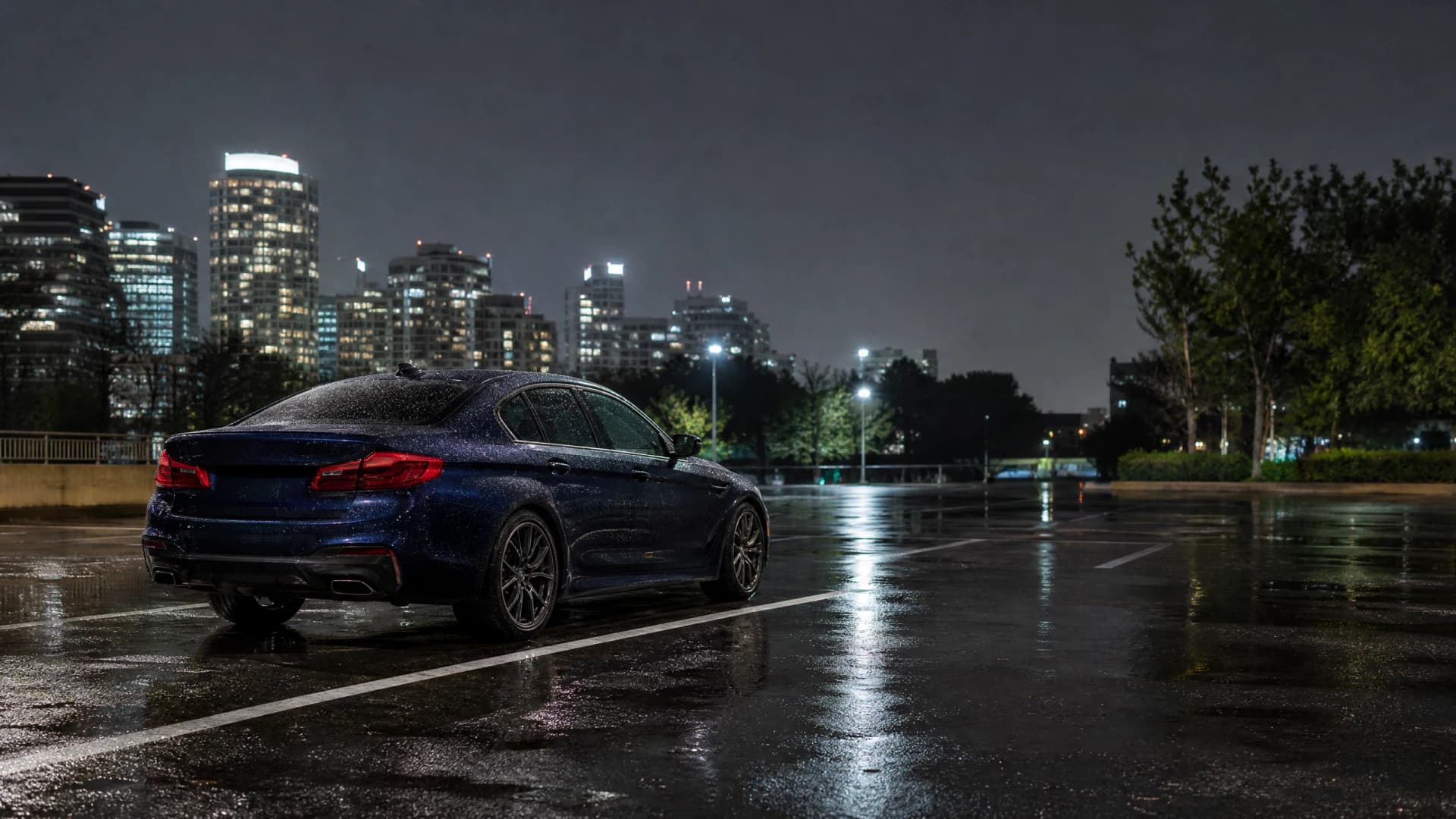
The grace period covers the new car, but it does not preserve your multi-car discount unless you formally add the vehicle to the policy within your carrier's reporting window.
Related Articles
Wisconsin Car Insurance Requirements
7/15/2026

New Resident Car Insurance in Wisconsin
7/15/2026
Switching Car Insurance When Moving to WI
7/15/2026
Wisconsin Multi-Car Insurance Requirements
7/15/2026
New Wisconsin Resident Auto Insurance Steps
7/15/2026
New Resident Wisconsin Car Insurance Deadline
7/15/2026
When the Multi-Car Discount Does Not Apply
The multi-car discount requires every vehicle to sit on the same policy and, for most carriers, to be garaged at the same address. A car titled to a household member who maintains a separate policy does not count toward your multi-car discount even if that person lives at the same address. If your spouse has a separate policy with a different carrier and you add a new car to your policy, your discount applies only to the vehicles on your policy, not to the household total.
Some carriers extend the multi-car discount to vehicles garaged at different addresses within the same state if all drivers and vehicles are listed on one policy. Others require every car to be garaged at the policy's primary address. If your household includes a college student with a car at school, a second home with a vehicle garaged there, or a work vehicle parked at a job site, ask your carrier whether those vehicles qualify for the same-policy discount or need separate policies.
A newly-purchased car that you plan to register in a different household member's name may not qualify for your multi-car discount. Carriers typically require the policyholder to be the registered owner or a co-owner of every vehicle on the policy. If you buy a car for a family member and title it solely in their name, that vehicle may need its own policy or require you to add the family member as a named insured on your policy to maintain the discount.
25 carriers
Wisconsin Multi-Car Carriers
At least 25 carriers write multi-vehicle policies in Wisconsin, including State Farm, Geico, Progressive, Allstate, American Family, and Farmers. Not all carriers offer the same discount structure or same-address requirements, so compare quotes that reflect your household's actual vehicle count and garaging addresses.
Wisconsin carrier roster, 2025
What Happens If You Miss the Reporting Deadline
If you do not report the new car within your carrier's grace window, coverage may lapse on that vehicle or the carrier may retroactively add it to your policy and bill you for the coverage period you drove it without formal notification. Some carriers treat the lapse as a policy violation and remove the multi-car discount from all vehicles on the policy until you bring the new car into compliance. Others simply deny any claim filed on the unreported vehicle during the gap period.
The consequence varies by carrier and by how long the gap lasts. A car added two weeks late may trigger only a retroactive premium adjustment. A car added two months late — or discovered by the carrier only after a claim — can result in claim denial, policy cancellation, or removal of the multi-car discount retroactive to the date you took possession. Wisconsin law requires you to carry proof of insurance for every vehicle you own or operate, and driving an uninsured vehicle carries a fine and potential license suspension even if you thought the grace period still applied.
Compare Carriers Before You Add the Vehicle
Adding a third or fourth car to your policy changes the premium calculation enough that it is worth comparing carriers before you finalize the addition. A carrier that offered the lowest rate for two cars may not offer the best rate for three. The multi-car discount percentage varies by carrier, and a smaller discount on a lower base rate can beat a larger discount on a higher base rate once you add the new vehicle's risk profile to the policy.
Request quotes from at least three carriers that write multi-vehicle policies in Wisconsin. Provide the VIN, garaging address, and intended use for the new car, and ask each carrier to quote the policy with all your household's vehicles included. Compare the total annual premium, the per-vehicle cost, and the discount structure. Some carriers apply the multi-car discount as a percentage off each vehicle's premium; others apply it as a flat reduction to the policy total. The structure that saves you the most depends on the mix of vehicles you insure and how each carrier rates them. Use the comparison to confirm you are getting the best rate for your household's full vehicle count, then add the new car to the winning policy within the grace window.
How to Report the New Vehicle to Your Carrier
Call your carrier or log into your account portal within 14 days of taking possession. Provide the vehicle identification number (VIN), the exact date you took possession, the purchase price or current value, and the garaging address. If the new car will be garaged at a different address than your existing vehicles — for example, a college student's car parked on campus — tell the carrier immediately. Different garaging addresses can disqualify the multi-car discount or require a separate policy depending on the carrier's underwriting rules.
Choose coverage levels for the new car. You can match the coverage on your existing vehicles or select different limits. If you financed or leased the new car, your lender will require collision and comprehensive with a deductible the lender approves, typically $500 or $1,000. If you own the car outright, collision and comprehensive are optional. The carrier will quote the premium adjustment based on your selections and apply the multi-car discount to the revised total. Confirm the new declarations page lists all vehicles and shows the discount applied before you hang up or close the browser.
Get Your Free Quote
Get My Wisconsin Car Insurance QuoteFrequently Asked Questions
How long do I have to add a new car to my Wisconsin insurance policy?
Most Wisconsin carriers give you 14 to 30 days from the date you take possession to formally add the new car to your policy. The vehicle is covered under your existing policy during that grace period, but you must report it within the window to maintain your multi-car discount and avoid a coverage gap.
Does my multi-car discount apply automatically when I buy a new car?
No. The multi-car discount applies only to vehicles formally listed on your policy. A new car covered under the grace period does not count toward the discount until you complete the addition process and the carrier re-rates the policy with the new vehicle included.
What information do I need to add a new car to my Wisconsin policy?
You need the vehicle identification number (VIN), the date you took possession, the purchase price or current value, and the garaging address. If you financed or leased the car, have your lender's contact information and required coverage levels ready.
Can I add a car titled in someone else's name to my multi-car policy?
Most carriers require the policyholder to be the registered owner or a co-owner of every vehicle on the policy. A car titled solely in another household member's name may need its own policy or require you to add that person as a named insured to maintain the multi-car discount.
What happens if I do not report the new car within the grace period?
Coverage may lapse on the unreported vehicle, or the carrier may retroactively add it and bill you for the gap period. Some carriers remove the multi-car discount from all vehicles on the policy until you bring the new car into compliance. Driving an uninsured vehicle in Wisconsin carries fines and potential license suspension.
Do all my cars need to be garaged at the same address to get the multi-car discount?
Most Wisconsin carriers require every vehicle on the policy to be garaged at the same address to qualify for the multi-car discount. Some extend the discount to vehicles garaged at different addresses within the state if all drivers and vehicles are listed on one policy. Ask your carrier about their specific garaging rules before you add a car parked elsewhere.