
New Resident Car Insurance — Wisconsin
Free to compare
The 60-Day Window Starts When You Establish Residency
Wisconsin law requires new residents to register their vehicles and obtain Wisconsin auto insurance within 60 days of establishing residency. The clock starts the day you move into your Wisconsin residence with the intent to stay, not the day you visit the DMV or the day you receive your first utility bill. Many multi-vehicle households assume they have 60 days from when they register their first car, then discover their second and third vehicles are already past the deadline.
Establishing residency means you live in Wisconsin and intend to remain. Signing a lease, enrolling children in Wisconsin schools, registering to vote, or obtaining a Wisconsin driver license all signal residency. Your out-of-state policy does not automatically extend to cover Wisconsin-registered vehicles, and Wisconsin law does not recognize out-of-state insurance as proof of coverage once you are a resident. Every vehicle titled and registered in Wisconsin must carry a Wisconsin policy that meets state minimum liability limits.
“The 60-day clock starts the day you establish residency, not the day you register your first vehicle.”

See What Wisconsin Drivers Pay for the Coverage They Need
Get My Wisconsin Car Insurance Quote$25,000/$50,000/$10,000
Wisconsin Minimum Liability Limits
Wisconsin requires at least $25,000 bodily injury per person, $50,000 bodily injury per accident, and $10,000 property damage. Uninsured motorist coverage is also mandatory. These minimums apply to every vehicle you register in the state.
Wisconsin Department of Transportation
Your Out-of-State Policy Ends When You Become a Wisconsin Resident
Your previous state's auto insurance policy terminates when you establish residency in Wisconsin. Most carriers will not renew an out-of-state policy for a vehicle garaged in Wisconsin, and Wisconsin law does not accept out-of-state policies as valid proof of insurance for Wisconsin-registered vehicles. You must obtain a Wisconsin policy before you register any vehicle with the Wisconsin DMV.
If you register a vehicle before obtaining Wisconsin insurance, the DMV will require proof of coverage at the counter. If you drive a Wisconsin-registered vehicle without a Wisconsin policy, you are driving uninsured under state law, even if your out-of-state policy has not yet expired. The consequence is a citation, potential impoundment, and a lapse on your driving record that raises rates across every vehicle in your household.
For households with multiple vehicles, the transition must happen for every car at once. You cannot keep one vehicle on your old policy while registering the others in Wisconsin. Wisconsin law requires every vehicle titled to a Wisconsin resident and garaged in Wisconsin to carry Wisconsin coverage. Splitting your household across two states' policies creates a coverage gap the moment you establish Wisconsin residency.
Wisconsin does not recognize out-of-state insurance as valid proof of coverage once you establish residency. Every vehicle you register must carry a Wisconsin policy before you visit the DMV.
Related Articles



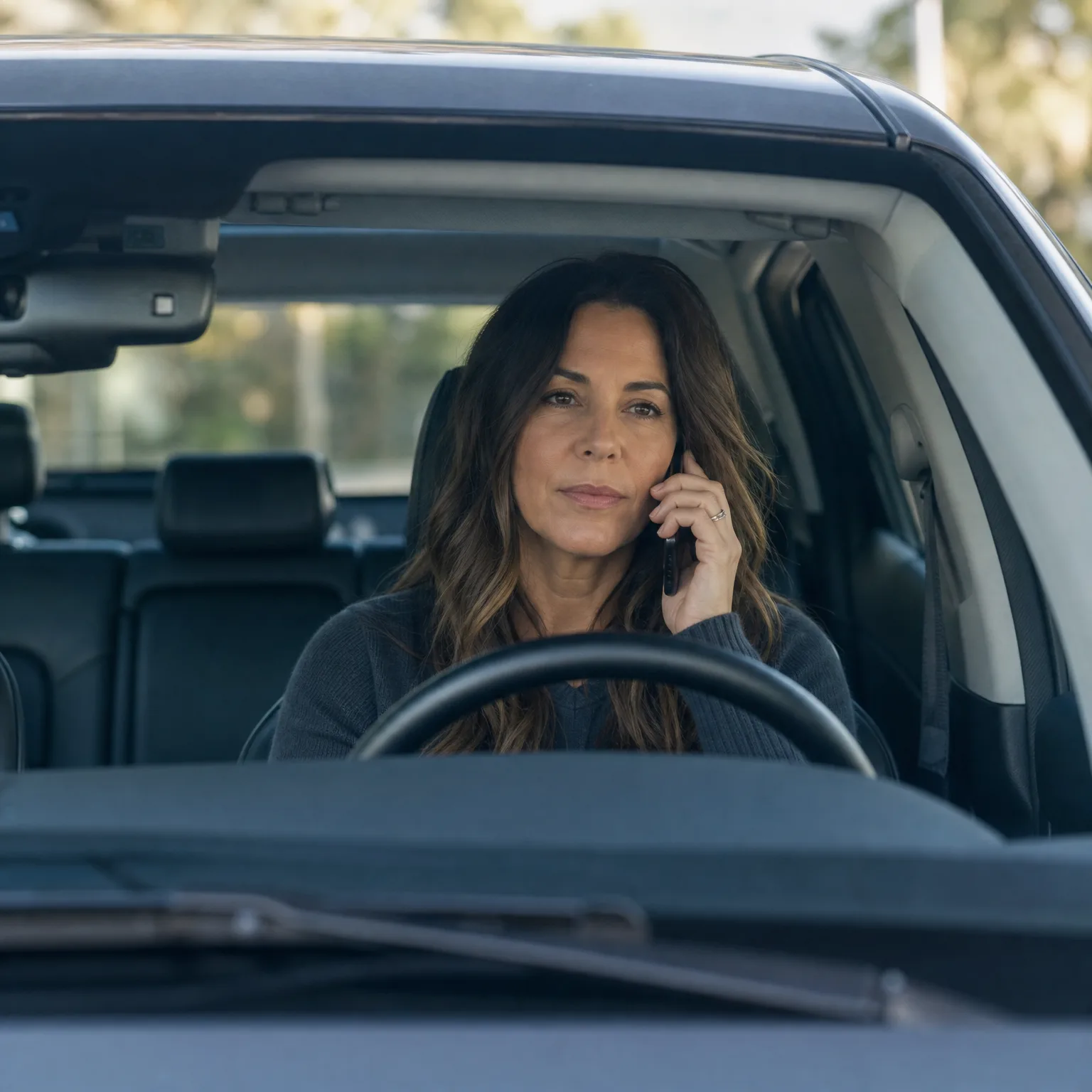
The Multi-Car Discount Requires Every Vehicle on One Wisconsin Policy
Wisconsin carriers offer a multi-car discount when you insure two or more vehicles on the same policy. The discount applies to the total premium, not to each vehicle individually, and typically requires every vehicle to be garaged at the same Wisconsin address and titled to the same household members. If you move two cars but leave a third on your old policy or title it to someone outside your household, the third vehicle does not count toward the multi-car discount.
The discount structure varies by carrier. Some carriers apply the discount only when you add a second vehicle during the same policy term. Others apply it automatically at renewal if you have multiple vehicles on the policy at that time. If you register your first car in Wisconsin today and your second car three months later, the second car may not qualify for the discount until the next renewal. Ask your carrier how the discount applies when vehicles are added mid-term.
Combining policies after a move often lowers your total premium compared to keeping separate policies in two states, but not always. If one household member has a clean record and the other has recent violations, combining policies may raise the total premium because the higher-risk driver's record affects every vehicle on the policy. Compare the combined Wisconsin policy premium to the cost of separate policies before you commit.
15.6%
Wisconsin Uninsured Motorist Rate
Approximately 15.6% of Wisconsin motorists drive without insurance. Wisconsin law requires uninsured motorist coverage on every policy to protect you when an at-fault driver has no coverage. This mandate applies to every vehicle you register as a new resident.
Insurance Information Institute, 2023
What Happens If You Miss the 60-Day Deadline
If you register a vehicle after the 60-day deadline, Wisconsin may impose a late registration penalty. The penalty amount varies by how long you wait, and the DMV may require proof that you were not driving the vehicle during the period it was unregistered. If you were driving an unregistered, uninsured vehicle, you face additional citations and potential license suspension.
A lapse in coverage during the transition affects your rates across every vehicle in your household. Wisconsin carriers treat a coverage lapse as a high-risk signal, and the rate increase applies to the entire policy, not just the vehicle that lapsed. If you cancel your out-of-state policy before your Wisconsin policy starts, even a one-day gap counts as a lapse. Coordinate the cancellation date with your new policy's start date to avoid this.
Compare Wisconsin Carriers That Write Multi-Vehicle Policies
Wisconsin has 25 carriers writing auto insurance in the state, and not all offer the same multi-car discount structure or accept the same household configurations. Some carriers require every vehicle to be titled to the same person. Others allow vehicles titled to different household members as long as they are garaged at the same address. If your household includes vehicles titled to a spouse, an adult child, or a co-owner, confirm the carrier's multi-vehicle policy rules before you bind coverage.
Carriers writing in Wisconsin include Allstate, American Family, Geico, Progressive, State Farm, and USAA. Each carrier's multi-car discount, household definition, and mid-term addition rules differ. Request quotes from at least three carriers and compare the total premium for all vehicles combined, not the per-vehicle rate. A smaller discount on a lower base rate can cost less than a larger discount on a higher one. Use the comparison tool to see which carriers write policies for your household's vehicle count and driver profile.
How to Transition Multiple Vehicles Without a Coverage Gap
Contact a Wisconsin carrier before you cancel your out-of-state policy. Provide your current policy details, the VINs for every vehicle you are moving, and your new Wisconsin address. The carrier will quote a Wisconsin policy that covers all vehicles in your household. Request a policy start date that matches the day you plan to register your vehicles in Wisconsin. Do not cancel your old policy until the Wisconsin policy is active and you have proof of coverage in hand.
Once your Wisconsin policy is active, visit a Wisconsin DMV Customer Service Center with proof of insurance for every vehicle, the out-of-state titles, proof of identity, and payment for registration fees. Wisconsin requires you to register all household vehicles within the same 60-day window. If you register your first car on day 30 and wait until day 65 to register your second, the second vehicle is past the deadline and you may face penalties. Register every vehicle during the same DMV visit to avoid missing the window on later cars.
Get Your Free Quote
Get My Wisconsin Car Insurance QuoteFrequently Asked Questions
Can I keep my out-of-state insurance after moving to Wisconsin?
No. Wisconsin law requires residents to carry Wisconsin auto insurance that meets state minimum liability limits. Your out-of-state policy terminates when you establish Wisconsin residency, and Wisconsin does not recognize out-of-state policies as valid proof of coverage for Wisconsin-registered vehicles.
How long do I have to register my vehicles after moving to Wisconsin?
Wisconsin requires new residents to register all vehicles within 60 days of establishing residency. The deadline applies to every vehicle in your household, not just your first car. If you register your first vehicle on day 30 and your second on day 65, the second vehicle is past the deadline.
Do I need to register all my vehicles at the same time?
Wisconsin law does not require you to register every vehicle during the same DMV visit, but all vehicles must be registered within 60 days of establishing residency. Registering all vehicles at once ensures you do not miss the deadline on later cars and simplifies the insurance transition.
Does the multi-car discount apply if I add vehicles at different times?
It depends on the carrier. Some carriers apply the multi-car discount only when you add a second vehicle during the same policy term. Others apply it automatically at renewal if multiple vehicles are on the policy at that time. Ask your carrier how mid-term additions affect the discount.
What documents do I need to register my vehicles in Wisconsin?
You need proof of Wisconsin auto insurance for every vehicle, the out-of-state titles, proof of identity, and payment for registration fees. Visit a Wisconsin DMV Customer Service Center with these documents. Renewal Offices do not process new resident registrations.
What happens if I drive without Wisconsin insurance after establishing residency?
Driving a Wisconsin-registered vehicle without Wisconsin insurance is a citation-level offense. You may face fines, vehicle impoundment, and a coverage lapse on your driving record. The lapse raises rates across every vehicle in your household when you obtain coverage.