
When Insurance Lapses on Multiple Vehicles
You let your insurance lapse on two or three cars, or the carrier canceled the policy mid-term and you did not replace it immediately. Wisconsin's DMV suspended every registration tied to that policy. Now you need to reinstate each one, and you are not sure whether you pay once or per vehicle, whether you need SR-22 filing, or how long the whole process takes.
This article walks the exact reinstatement pathway for Wisconsin drivers who let coverage lapse on a multi-vehicle policy. You will see the fee structure, the SR-22 requirement the state imposes even when no violation occurred, the documentation the DMV actually checks, and the timing windows that matter when you are trying to get multiple cars back on the road at once.
Compare car insurance rates in your state
Get quotes from licensed carriers — no obligation, no spam, results in minutes.
Get Your Free QuoteWisconsin Reinstatement Fee
Wisconsin Department of Transportation
What Wisconsin Actually Suspended
Wisconsin suspended your vehicle registrations, not your driver license. Your license remains valid unless a separate violation triggered a license suspension. The registration suspension means you cannot legally drive any vehicle that was registered under the lapsed policy, and law enforcement can impound a vehicle driven on a suspended registration.
The state's administrative suspension authority sits with the Wisconsin Department of Transportation, Division of Motor Vehicles. When your carrier notifies the DMV that coverage lapsed or the policy was canceled, the DMV suspends every registration tied to that policy automatically. No hearing, no advance notice beyond the carrier's own cancellation notice. The suspension is immediate.
If you own four vehicles and all four were on the lapsed policy, all four registrations are suspended. If you own two vehicles but only one was on the lapsed policy, only that one registration is suspended. The suspension follows the policy, not the driver.
SR-22 Filing Requirement After a Lapse
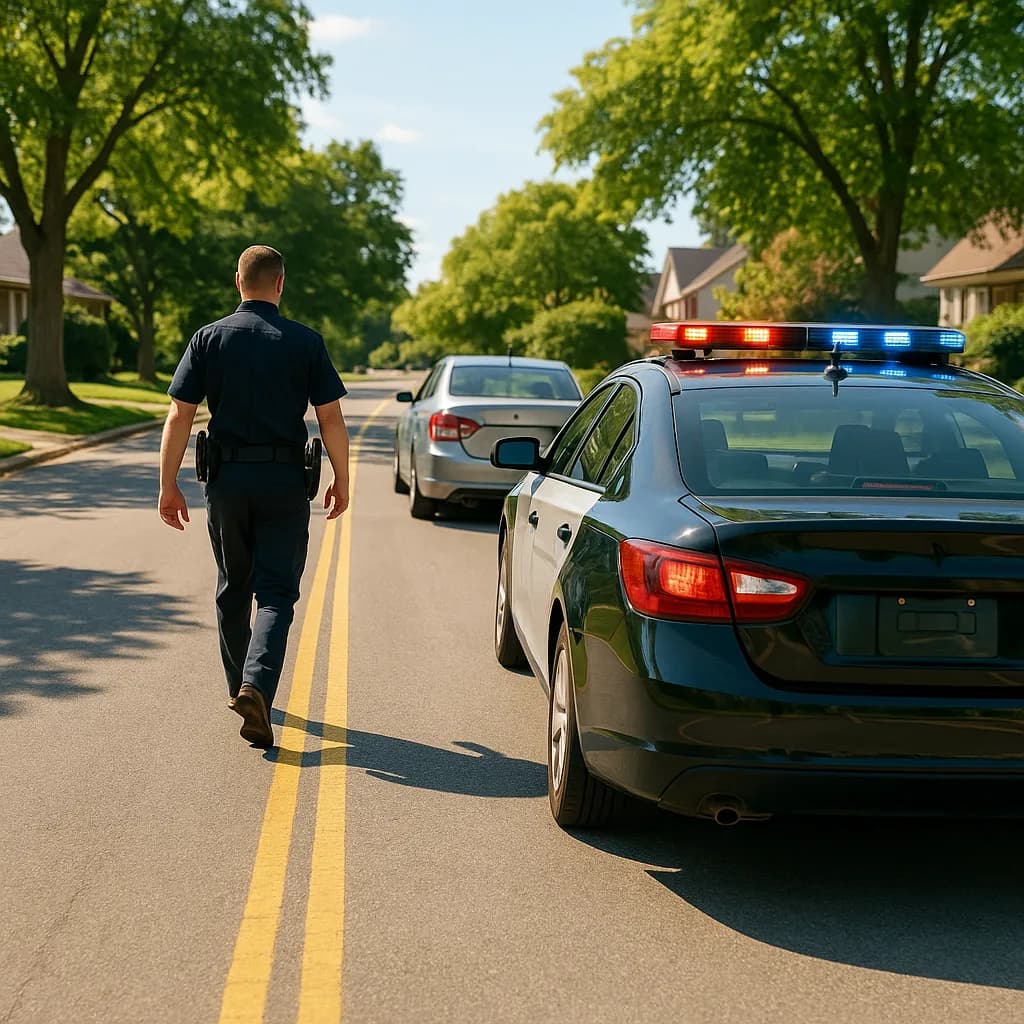
The SR-22 filing period starts the day your carrier files the certificate with the DMV, not the day you bought the policy. If you bought coverage on Monday but the carrier did not file the SR-22 until Wednesday, your three-year period starts Wednesday. Most carriers file electronically within one business day, but some take longer. Ask the carrier for the filing confirmation before you go to the DMV.
The carrier charges a filing fee to submit the SR-22. If you switch carriers during the three-year period, the new carrier must file a new SR-22 to replace the old one, and you pay another filing fee.
Related Articles






Documentation the DMV Checks at Reinstatement
The DMV does not accept proof of insurance alone—the SR-22 filing must already be on file in the DMV's system before they will process reinstatement.
Wisconsin's minimum liability limits are $25,000 per person for bodily injury, $50,000 per accident for bodily injury, and $10,000 for property damage. Your policy must meet or exceed these limits on every vehicle you are reinstating. If you are reinstating three vehicles, all three must be listed on the policy or on separate policies that each carry the minimum limits.
Bring your insurance ID card, the SR-22 filing confirmation email or letter from your carrier, and a payment method the DMV accepts. Processing takes approximately two business days after you submit everything. The DMV will mail a reinstatement notice to the address on file. Once you receive that notice, your registrations are active again and you can legally drive.
SR-22 Filing Period After Lapse
3 years
Wisconsin requires continuous SR-22 filing for three years after an insurance lapse. If the filing lapses during that period, the DMV suspends your registrations again and you restart the three-year clock.
Wisconsin Department of Transportation
Reinstating Multiple Vehicles at Once
The DMV processes all reinstatements together if you submit them at the same visit, but the fee is per registration, not per household.
All vehicles must be insured before you can reinstate any of them. Most households find it cheaper to insure all vehicles on one policy, file one SR-22 that covers the entire policy, and reinstate everything at once.
Compare Carriers That Write Multi-Vehicle SR-22 Policies
Not every carrier writes SR-22 policies, and not every SR-22 carrier offers competitive rates for households insuring multiple vehicles. Wisconsin has 25 carriers writing auto insurance in the state. Carriers confirmed to write SR-22 policies in Wisconsin include Allstate, American Family, Dairyland, Farmers, GAINSCO, Geico, Liberty Mutual, National General, Progressive, State Farm, The General, and USAA. Compare quotes from at least three carriers that write both SR-22 and multi-vehicle policies.
When you request quotes, tell the carrier you need SR-22 filing and that you are insuring multiple vehicles. Some carriers offer a multi-car discount that applies even when SR-22 filing is required; others do not. The discount typically requires every vehicle to sit on the same policy and to be garaged at the same address. Ask each carrier whether the multi-car discount applies to SR-22 policies before you commit.