
Car Impoundment for Driving Without Insurance — Wisconsin
Free to compare
When Wisconsin Officers Impound for No Insurance
You were pulled over and cannot produce proof of insurance. The officer asks if you have coverage. You explain that you do but left the card at home, or that your policy lapsed last week, or that you're between carriers. The officer's next decision — whether to cite you and let you go, or impound the vehicle on the spot — depends on factors you control in that moment.
Wisconsin law requires every driver to carry proof of insurance and authorizes officers to impound vehicles driven without it. The officer's discretion hinges on whether you can produce proof within a reasonable window, whether another licensed and insured driver can take the car, and whether the stop involves other violations that escalate the situation. Understanding what the officer evaluates gives you a narrow procedural path to avoid impoundment even when you cannot produce the card immediately.
“The officer's impoundment decision hinges on whether you can produce proof within their discretionary window and whether another licensed driver can take the car.”

See What Wisconsin Drivers Pay for the Coverage They Need
Get My Wisconsin Car Insurance Quote$25,000 / $50,000 / $10,000
Wisconsin Minimum Liability Limits
Wisconsin requires $25,000 bodily injury per person, $50,000 per accident, and $10,000 property damage. Driving without meeting these minimums triggers the stop that leads to impoundment risk.
Wisconsin Department of Transportation
What the Officer Evaluates at the Stop
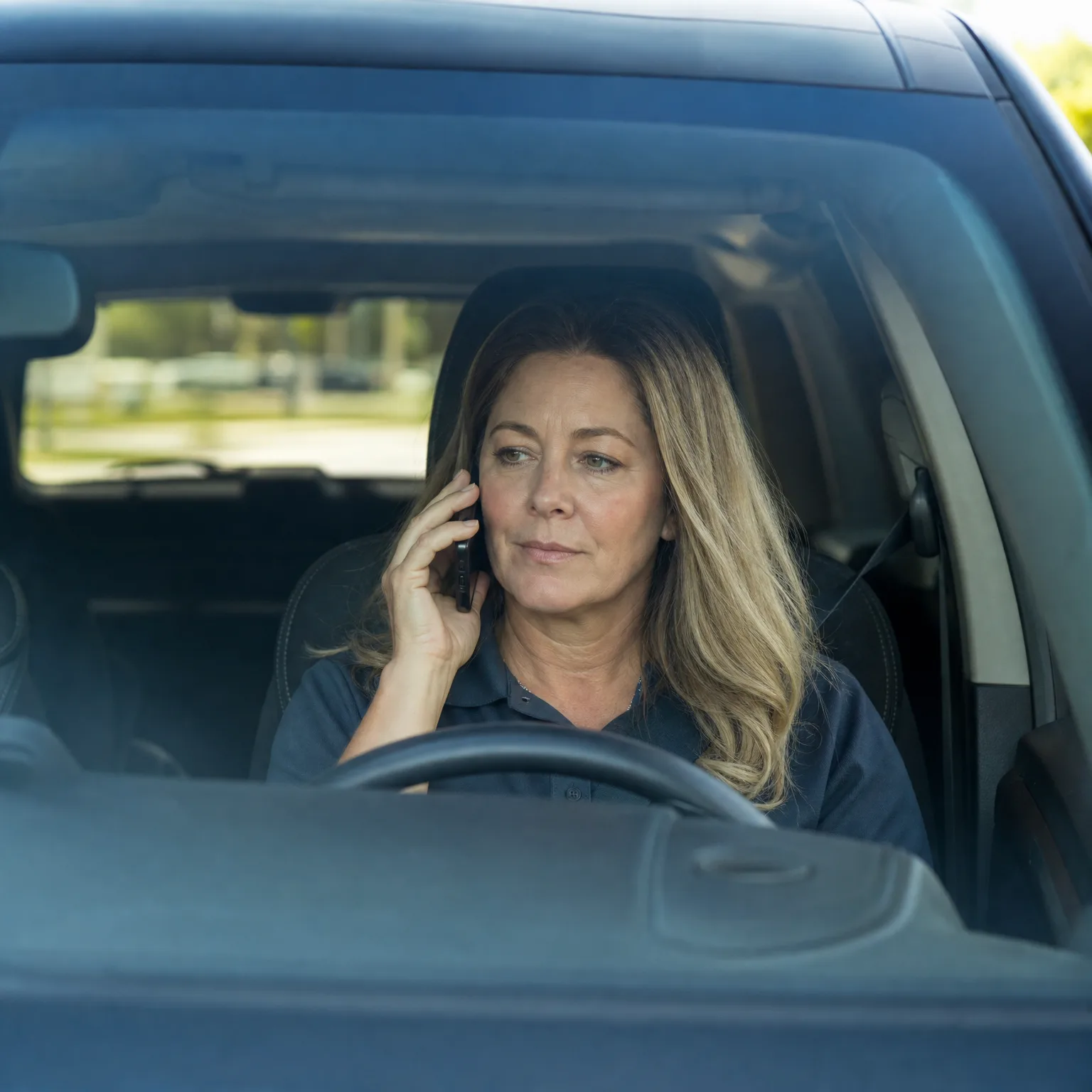
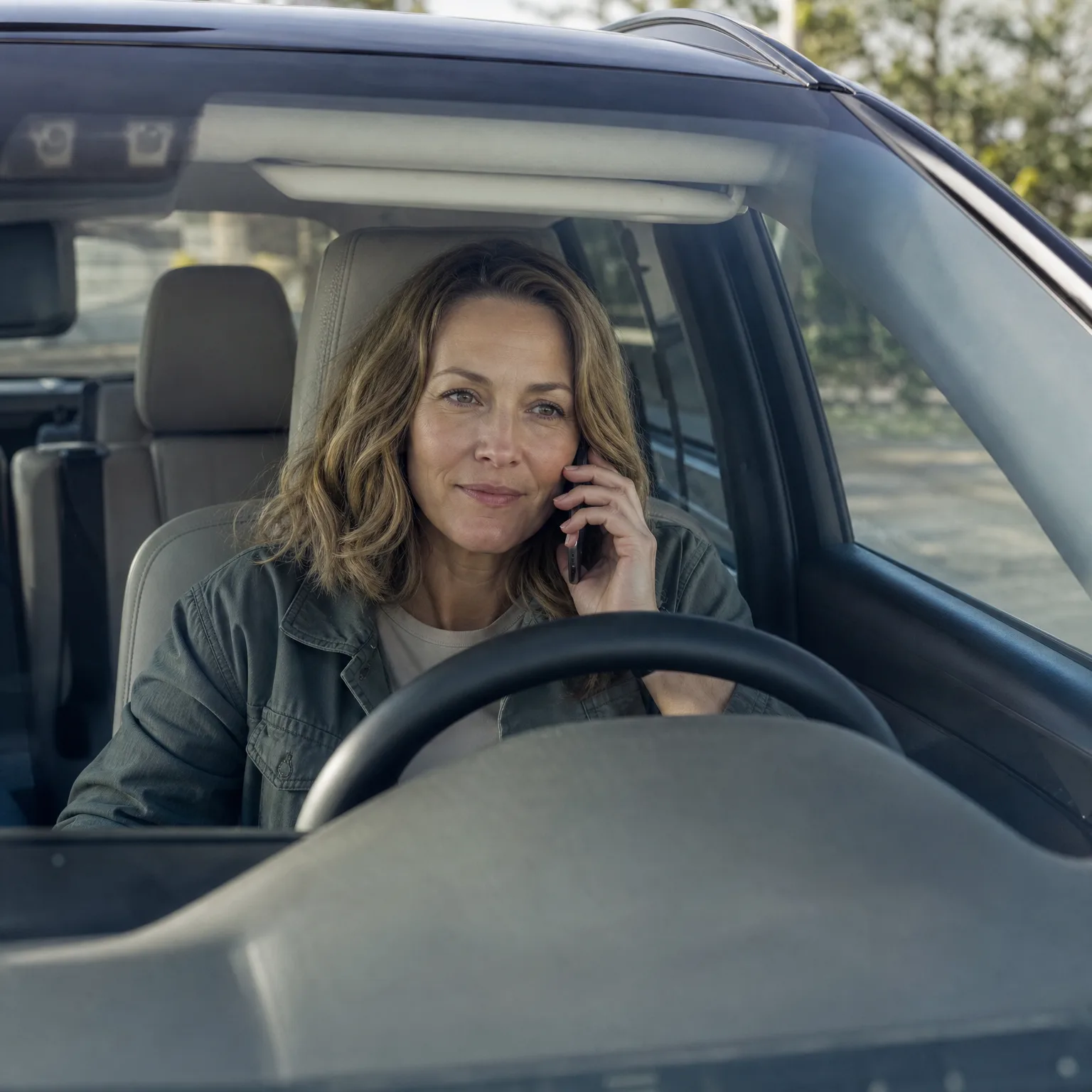
The officer's impoundment decision starts with whether you can prove coverage exists. If you have a policy but left the card at home, many officers allow a grace window: you call your carrier or access your account online and produce an electronic proof-of-insurance document on your phone. Wisconsin accepts electronic proof. If you produce it within the officer's discretionary window — typically a few minutes — the stop often ends with a citation and no impoundment.
If you cannot produce proof because no policy exists, the calculus shifts. The officer evaluates whether another licensed driver at the scene can take the car. If a passenger holds a valid license and can prove their own insurance or can be added as a permissive driver under your household policy, the officer may release the vehicle to them and cite you. If no one at the scene qualifies, impoundment becomes the default.
Additional violations compound the risk. A stop that began as a no-insurance check but reveals a suspended license, an outstanding warrant, or evidence of impaired driving removes the officer's discretion entirely. The car is impounded and you are taken into custody. The procedural path to avoid impoundment closes the moment a secondary violation enters the stop.
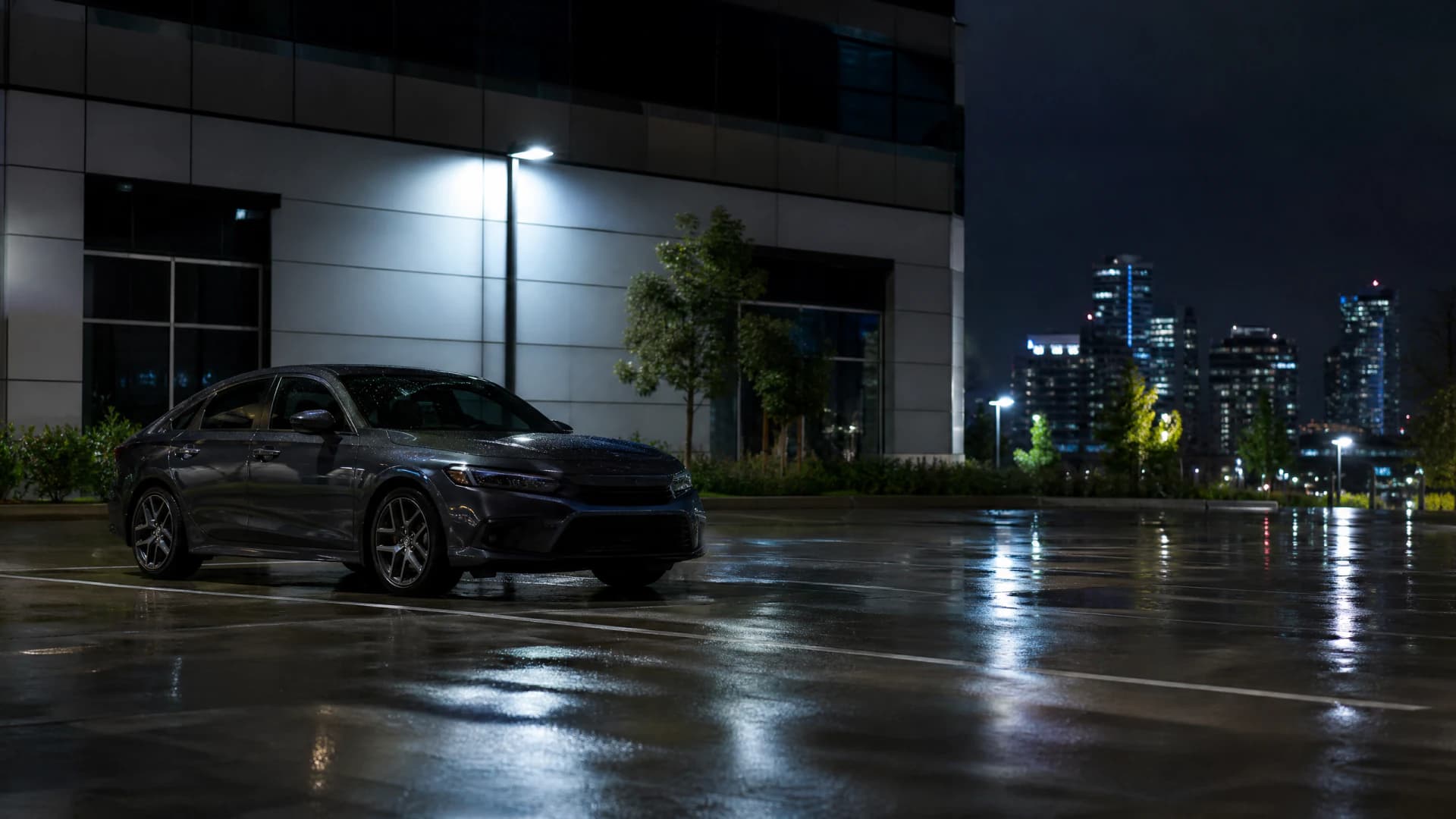
If no licensed driver at the scene can take the car and you cannot produce proof of coverage within the officer's window, impoundment is the procedural default.
What Happens After Impoundment
Once the vehicle is impounded, you face a multi-step retrieval process. The car is towed to a contracted impound lot. You receive a citation for driving without insurance and a notice of impoundment with the lot's address and phone number. The lot charges a towing fee and a daily storage fee that accrues from the moment the car arrives. Wisconsin does not cap impound fees by statute; each municipality and towing contractor sets its own rates.
To retrieve the vehicle, you must prove insurance coverage. You cannot retrieve an impounded car without presenting proof of an active policy that covers the vehicle. If you had no policy at the time of the stop, you must purchase one before retrieval. If your policy lapsed, you must reinstate it or purchase a new one. The lot verifies coverage by calling your carrier or checking the state database. Once coverage is confirmed, you pay the towing and storage fees and retrieve the car. If you cannot prove coverage, the car remains impounded and storage fees continue to accrue.
Wisconsin requires SR-22 filing for drivers convicted of certain violations, but driving without insurance alone does not automatically trigger SR-22. If the stop results in a conviction and the court orders SR-22 filing, you must obtain an SR-22 certificate from a carrier licensed to write in Wisconsin and maintain it for three years. The SR-22 requirement applies separately from impoundment; the two processes do not overlap procedurally.
15.6%
Wisconsin Uninsured Motorist Rate
15.6% of Wisconsin drivers operate without insurance, well above the national average. Officers encounter uninsured drivers frequently and follow a consistent impoundment protocol at stops.
Insurance Research Council, 2023
How Multi-Vehicle Households Navigate Coverage Gaps
Households insuring multiple vehicles face a specific impoundment risk when one car's coverage lapses while others remain insured. Wisconsin requires every registered vehicle to carry continuous coverage. If you drive a household car whose policy lapsed because you forgot to add it after purchase, or because you removed it from the policy to save money, that car is uninsured even if your other vehicles are covered. The officer at the stop does not care that your other cars are insured; the car you are driving must carry its own proof.
The multi-car discount Wisconsin carriers offer requires every vehicle to sit on the same policy. If one car is titled to a household member on a separate policy, or if a car was recently purchased and not yet added, the discount does not protect the uninsured vehicle. Verify that every car you or a household member drives appears on an active policy before driving it. Check your policy declarations page or call your carrier to confirm coverage for each vehicle by VIN.
Compare Carriers That Write Wisconsin Multi-Vehicle Policies
Preventing impoundment starts with maintaining continuous coverage on every vehicle your household drives. Wisconsin's carrier roster includes 25 insurers writing auto policies in the state, many offering multi-car discounts that lower the per-vehicle cost when you insure two or more cars on one policy. Carriers writing Wisconsin multi-vehicle policies include State Farm, Progressive, GEICO, Allstate, American Family, and others. Each carrier structures its multi-car discount differently; some apply the discount to every vehicle, others apply it only to the second and subsequent cars.
Compare quotes from carriers that write your household's vehicle count and driver profile. Use the site's comparison tool to see which carriers offer the best combination of coverage and multi-car discount for your household. Verify that every vehicle you drive appears on the policy declarations page before you drive it. Continuous coverage on every car is the only procedural defense against impoundment at a traffic stop.
How to Prevent Impoundment During the Stop
Produce electronic proof immediately. Wisconsin law treats electronic proof-of-insurance documents as equivalent to paper cards. If you have a policy, open your carrier's app or log into your account on your phone and display the proof-of-insurance screen to the officer. Most carriers generate a PDF or display a card with your policy number, coverage dates, and vehicle information. The officer verifies the information against the state database. If the policy is active and covers the vehicle you are driving, the stop typically ends with a citation for failure to carry proof, not impoundment.
If you cannot produce proof because your policy lapsed or you never had one, immediately identify whether a passenger can take the car. The passenger must hold a valid Wisconsin driver's license and either carry their own insurance or be eligible as a permissive driver under a household policy. If the passenger qualifies, tell the officer. The officer may release the vehicle to them, cite you for driving without insurance, and allow you to leave the scene on foot or as a passenger. If no one qualifies, the car is impounded and you arrange retrieval later.
Get Your Free Quote
Get My Wisconsin Car Insurance QuoteFrequently Asked Questions
Can a Wisconsin officer impound my car if I forgot my insurance card at home?
No, if you can produce electronic proof of insurance on your phone within the officer's discretionary window. Wisconsin accepts electronic proof-of-insurance documents as equivalent to paper cards. Open your carrier's app or account, display the proof screen, and the officer verifies coverage against the state database. If the policy is active and covers the vehicle, you typically receive a citation for failure to carry proof but keep the car.
What happens if I cannot prove insurance at the stop?
The officer evaluates whether another licensed driver at the scene can take the car. If a passenger holds a valid license and can prove their own coverage or qualifies as a permissive driver, the officer may release the vehicle to them and cite you. If no one qualifies, the car is impounded. You retrieve it later by proving coverage and paying towing and storage fees.
How much does it cost to retrieve an impounded car in Wisconsin?
Wisconsin does not cap impound fees by statute; each municipality and contractor sets its own rates. You must also prove active insurance coverage before the lot releases the vehicle. Storage fees accrue daily until you retrieve the car.
Does driving without insurance in Wisconsin require SR-22 filing?
Not automatically. SR-22 filing is required for three years after certain convictions, but a single no-insurance citation does not trigger it unless the court orders filing as part of the conviction. If SR-22 is ordered, you obtain the certificate from a carrier licensed to write in Wisconsin and maintain it for the full three-year period.
Can I retrieve my impounded car without buying insurance first?
No. Wisconsin impound lots require proof of active insurance coverage before releasing the vehicle. If you had no policy at the time of the stop, you must purchase one before retrieval. If your policy lapsed, you must reinstate it or buy a new one. The lot verifies coverage by calling your carrier or checking the state database.
What if one car in my household is uninsured but the others are covered?
The uninsured car can be impounded if you are stopped while driving it. Wisconsin requires every registered vehicle to carry continuous coverage. The officer does not care that your other vehicles are insured; the car you are driving must carry its own proof. Verify that every household vehicle appears on an active policy before driving it.