
Multi-Car Coverage Limits — Wisconsin
Free to compare
The Multi-Car Minimum Confusion
You added a second or third vehicle to your Wisconsin auto policy and now you're trying to figure out whether you need to multiply your liability limits. The carrier quoted you new premiums but didn't explain whether the state's $25,000 per person, $50,000 per accident, and $10,000 property damage minimums apply to each car individually or to the policy as a whole. You're comparing quotes and every carrier shows different coverage configurations, and none of them spell out how the limits work when multiple vehicles sit on one policy.
Wisconsin's minimum liability limits apply per occurrence, not per vehicle. That means your $25,000/$50,000/$10,000 policy covers any accident involving any vehicle on the policy, up to those limits, regardless of how many cars you insure. Adding a third vehicle does not require you to triple your liability limits to stay legal. But it does change your exposure—and understanding that difference is what separates adequate coverage from a policy that leaves you financially exposed after a multi-vehicle household accident.
“Wisconsin's minimums apply per policy, not per car—adding vehicles does not multiply your required limits, but it does multiply your exposure.”

See What Wisconsin Drivers Pay for the Coverage They Need
Get My Wisconsin Car Insurance Quote$25,000 / $50,000 / $10,000
Wisconsin Minimum Liability Limits
These limits apply per occurrence: $25,000 per person injured, $50,000 total per accident for bodily injury, and $10,000 for property damage. The limits do not multiply when you add vehicles to the policy.
Wisconsin Department of Transportation, Division of Motor Vehicles
How Liability Limits Work Across Multiple Vehicles
Wisconsin requires every registered vehicle to be covered by a liability policy meeting the state's minimums. When you insure multiple vehicles on one policy, that policy must meet the $25,000/$50,000/$10,000 floor—but the limits apply to the entire policy, not to each car separately. If your household owns three vehicles and all three sit on one policy with minimum limits, any accident involving any of those vehicles is covered up to $25,000 per injured person, $50,000 total per accident, and $10,000 for property damage.
The structural reality: adding a vehicle to your policy does not increase the liability limits the state requires you to carry. Your legal obligation remains $25,000/$50,000/$10,000 whether you insure one car or five. But your exposure does increase. A household with three vehicles has three times the opportunity for an at-fault accident compared to a household with one vehicle. If any driver in your household causes an accident in any of the insured vehicles, the same $50,000 bodily injury limit applies—and if the damages exceed that amount, you pay the difference out of pocket.
This is why carriers often recommend higher limits when you add vehicles. The state does not require it, but the risk profile changes. A policy that felt adequate when you owned one car may leave you underinsured when you own three, not because the law changed but because the probability of a claim increased.
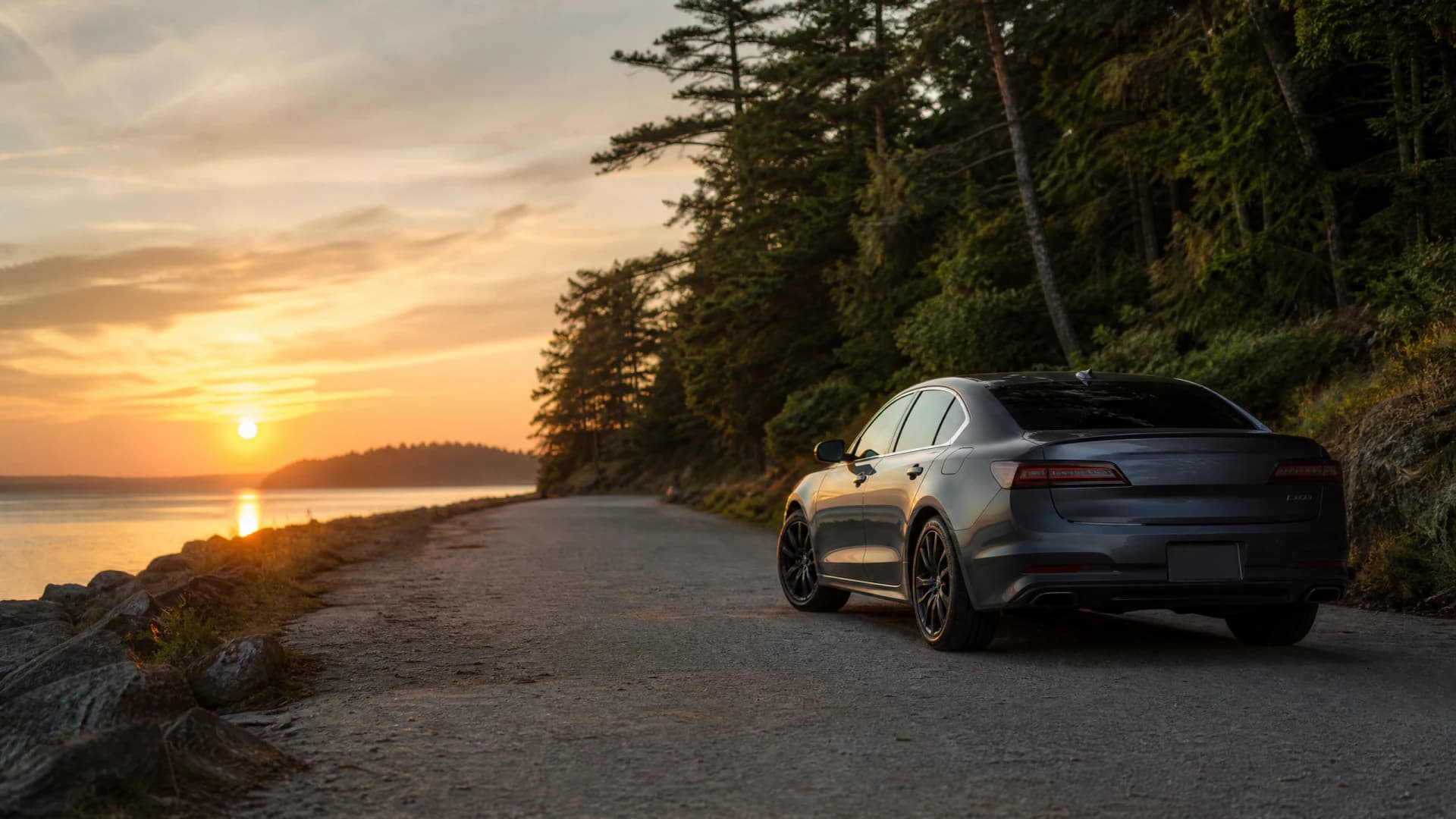
Wisconsin's minimums do not scale with vehicle count. Your legal floor stays the same—but your household's claim exposure does not.
Related Articles



When Higher Limits Make Sense for Multi-Car Households
Wisconsin law does not require you to carry more than $25,000/$50,000/$10,000 regardless of how many vehicles you insure. But households with multiple vehicles face higher claim exposure simply because more vehicles mean more opportunities for an at-fault accident. If any driver in your household causes an accident that injures multiple people, the $50,000 per-accident bodily injury limit is the maximum your policy pays—even if the medical bills and lost wages for all injured parties exceed that amount.
That recommendation is not a legal requirement—it's a risk assessment. A household with three vehicles, two of which are driven by younger or less-experienced drivers, has a higher probability of a severe claim than a household with one vehicle driven by a single experienced driver. The state's minimums protect you from a citation, but they do not protect your assets if the claim exceeds the limits.
If you own a home, have significant savings, or earn income that could be garnished in a judgment, higher liability limits are worth the additional premium.
15.6%
Wisconsin Uninsured Motorist Rate
More than one in seven drivers on Wisconsin roads carries no insurance. Uninsured motorist coverage protects you when an at-fault driver cannot pay—and it applies across every vehicle on your policy.
Insurance Research Council, 2023

Uninsured Motorist Coverage and Multi-Vehicle Policies
Wisconsin requires carriers to offer uninsured motorist coverage, and you must actively reject it in writing if you choose not to carry it. Uninsured motorist coverage pays for your injuries and, in some policies, your vehicle damage when an at-fault driver has no insurance or insufficient limits to cover your claim. On a multi-vehicle policy, uninsured motorist coverage applies to any vehicle on the policy and to any household member injured in an accident, regardless of which vehicle they were driving or riding in.
The coverage limits you select for uninsured motorist protection apply per occurrence, just like your liability limits. Adding vehicles to the policy does not increase the uninsured motorist limits—you must request higher limits explicitly when you add the vehicle or at renewal.
Compare Carriers That Write Multi-Vehicle Policies in Wisconsin
Not every carrier offers the same multi-car discount structure, and not every carrier writes policies for households with three or more vehicles without restrictions. Some carriers cap the multi-car discount at two vehicles; others extend it across four or five. Some carriers require all vehicles to be garaged at the same address; others allow separate garaging locations within the same household. The carrier roster in Wisconsin includes both standard and non-standard writers, and the difference in premium between them can be significant when you insure multiple vehicles.
Compare quotes from at least three carriers that write multi-vehicle policies in Wisconsin. Ask each carrier how they calculate the multi-car discount, whether all vehicles on the policy must be garaged at the same address, and what happens to the discount if you add a fourth or fifth vehicle. The answers vary by carrier, and the variation determines which carrier offers the best structure for your household.
What Happens When You Add a Vehicle Mid-Term
When you add a vehicle mid-term, the carrier applies the multi-car discount to the entire policy—but it also re-rates every vehicle based on the new household structure. If the new vehicle is a higher-risk model, or if it's assigned to a higher-risk driver, the re-rate can increase the premium for all vehicles on the policy, not just the one you added. The multi-car discount offsets some of that increase, but not always enough to keep the total premium lower than it was before.
Most Wisconsin carriers require the new vehicle to be added within a grace period—typically 14 to 30 days from the date of purchase or title transfer. If you miss that window and have an accident in the unreported vehicle, the carrier can deny the claim. The grace period covers the new vehicle under your existing policy limits, but only if you notify the carrier within the allowed timeframe. After the grace period expires, an unreported vehicle is uninsured, and driving it violates Wisconsin's mandatory insurance law.
Get Your Free Quote
Get My Wisconsin Car Insurance QuoteFrequently Asked Questions
Do I need higher liability limits if I insure three cars in Wisconsin?
Wisconsin does not require higher limits when you add vehicles—the $25,000/$50,000/$10,000 minimums apply to the entire policy regardless of vehicle count.
Does the multi-car discount apply to liability coverage in Wisconsin?
Yes. The multi-car discount applies to the entire premium, including liability, collision, and comprehensive coverage. The discount typically ranges from 10% to 25% depending on the carrier, and it applies when you insure two or more vehicles on the same policy.
What happens if I add a vehicle and don't increase my liability limits?
You remain legal as long as your policy meets Wisconsin's $25,000/$50,000/$10,000 minimums. But if any driver in your household causes an accident in any insured vehicle, the same limits apply—and if damages exceed those limits, you pay the difference out of pocket.
Can I insure three vehicles on one policy if they're garaged at different addresses in Wisconsin?
Most Wisconsin carriers allow multiple garaging addresses within the same household, but some require all vehicles to be garaged at the primary policyholder's address to qualify for the multi-car discount. Ask your carrier how they define household and garaging for multi-vehicle policies.
Does uninsured motorist coverage apply to all vehicles on a multi-car policy in Wisconsin?
Yes. Uninsured motorist coverage applies to any vehicle on the policy and to any household member injured in an accident, regardless of which vehicle was involved. The limits apply per occurrence, not per vehicle.
How long do I have to add a new vehicle to my Wisconsin policy?
Most Wisconsin carriers give you 14 to 30 days from the date of purchase or title transfer to add a new vehicle. If you miss that window and have an accident in the unreported vehicle, the carrier can deny the claim.