
Full Coverage Car Insurance — Wisconsin
Free to compare
What Full Coverage Actually Means in Wisconsin
You own two or three cars, you've confirmed Wisconsin's minimum liability requirements, and now you're trying to decide whether to carry full coverage on every vehicle or just some of them. The term "full coverage" isn't a legal product — it's shorthand for a policy that includes collision and comprehensive coverage on top of the state-required liability and uninsured motorist protection. Collision pays to repair your car after an accident regardless of fault. Comprehensive covers theft, weather damage, vandalism, and animal strikes. Neither is required by Wisconsin law, but both protect your household's vehicles in ways the $25,000/$50,000/$10,000 minimum liability limits never will.
Wisconsin mandates bodily injury liability of at least $25,000 per person and $50,000 per accident, property damage liability of $10,000, and uninsured motorist coverage. Those coverages pay for damage you cause to other people and their property, and they protect you when an uninsured driver hits you. They do not repair your own vehicles. If you total your car in an at-fault crash and carry only the state minimums, you pay out of pocket to replace it. Full coverage closes that gap — but it costs more, and whether the added premium makes sense depends on what each car in your household is worth and how you'd replace it if it were totaled tomorrow.
“Wisconsin's liability minimums protect other people, not your vehicles — collision and comprehensive are the coverages that pay to fix or replace your own cars.”
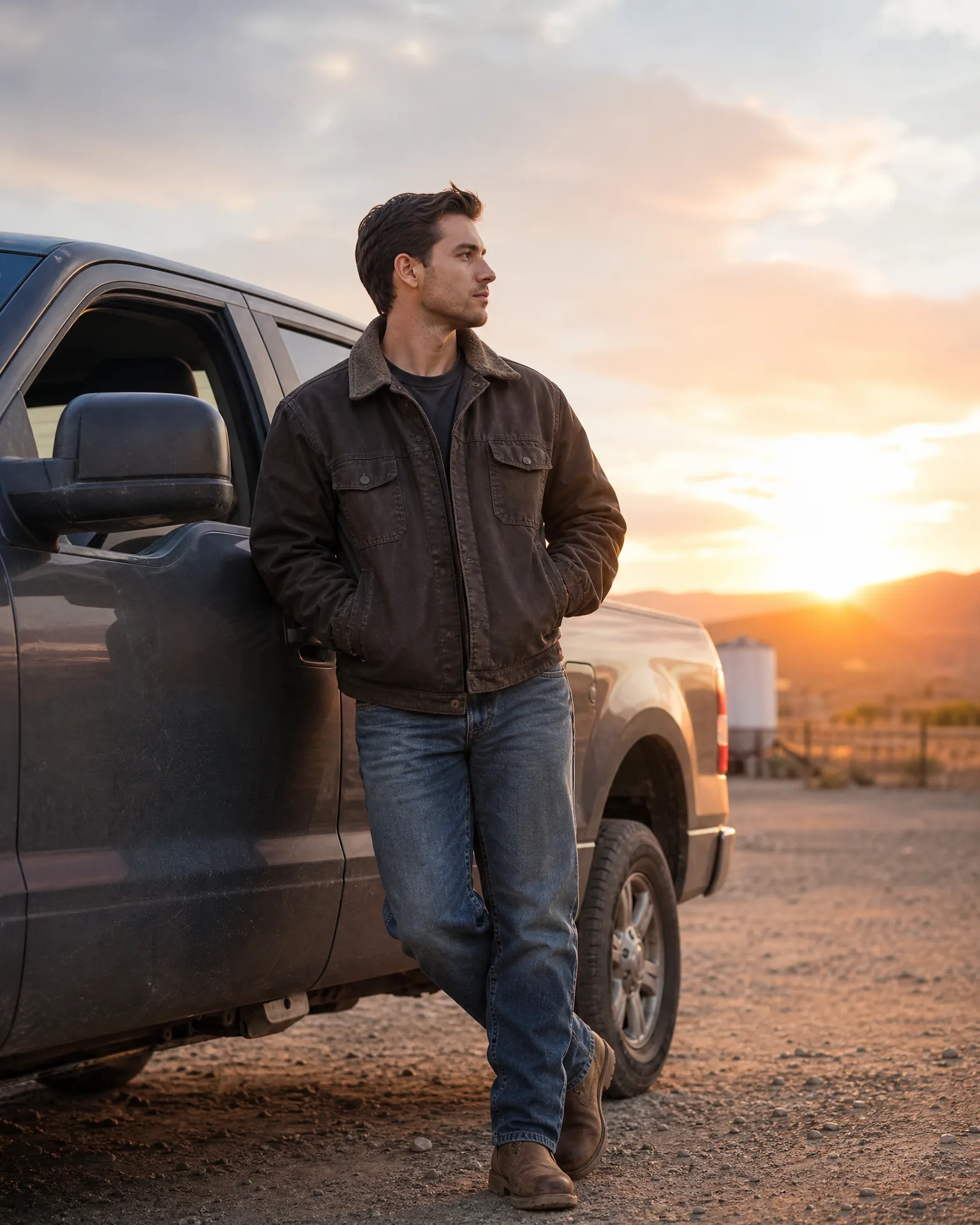
See What Wisconsin Drivers Pay for the Coverage They Need
Get My Wisconsin Car Insurance Quote$25,000 / $50,000 / $10,000
Wisconsin Minimum Liability Limits
These limits cover bodily injury per person, bodily injury per accident, and property damage you cause to others. They do not cover damage to your own vehicles — collision and comprehensive are the coverages that protect your cars.
Wisconsin Department of Transportation
Why the State Minimums Leave Your Vehicles Unprotected
Wisconsin's liability minimums exist to ensure you can pay for harm you cause to others, not to protect your own property. If you rear-end another car, your $10,000 property damage liability pays to fix their vehicle. If you swerve to avoid a deer and roll your SUV into a ditch, your liability coverage pays nothing toward your own repair bill — that's what collision is for. If hail shatters your windshield or a tree falls on your sedan during a storm, comprehensive steps in. Without those coverages, you're self-insuring every vehicle you own.
Many Wisconsin households assume uninsured motorist coverage fills this gap, but it doesn't. Uninsured motorist bodily injury covers your medical bills when an uninsured driver hits you; uninsured motorist property damage (if you carry it) covers damage to your car caused by an uninsured driver, but only in that narrow scenario. It won't help if you cause the accident, if a deer runs into your car, if your vehicle is stolen, or if weather damages it. Collision and comprehensive are the only coverages that protect your vehicles comprehensively, regardless of fault or the other driver's insurance status.
The decision to add full coverage hinges on whether you can afford to replace each vehicle without insurance paying out. A household with three cars faces three separate decisions: the newest car with a loan may require full coverage by the lender, the paid-off sedan may be worth enough that replacing it out of pocket would strain your budget, and the 15-year-old pickup with 180,000 miles may be worth so little that paying for collision and comprehensive costs more over two years than the truck is worth. Each vehicle's value, your household's savings, and the cost of the added coverage determine whether full coverage makes sense for that specific car.
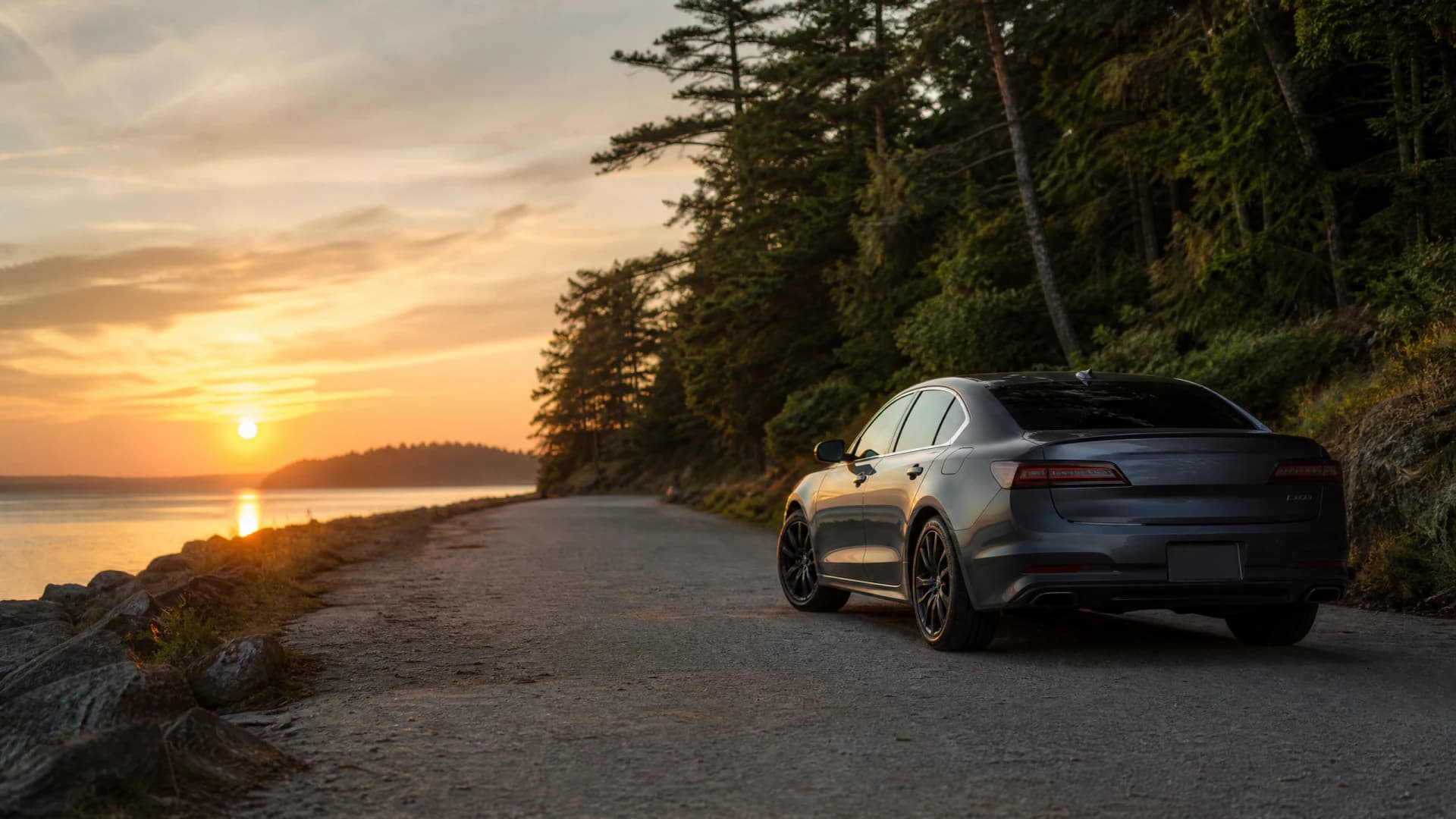
A lender or lessor requires collision and comprehensive until the loan or lease is paid off — you cannot drop full coverage on a financed vehicle without violating your loan agreement.
Related Articles

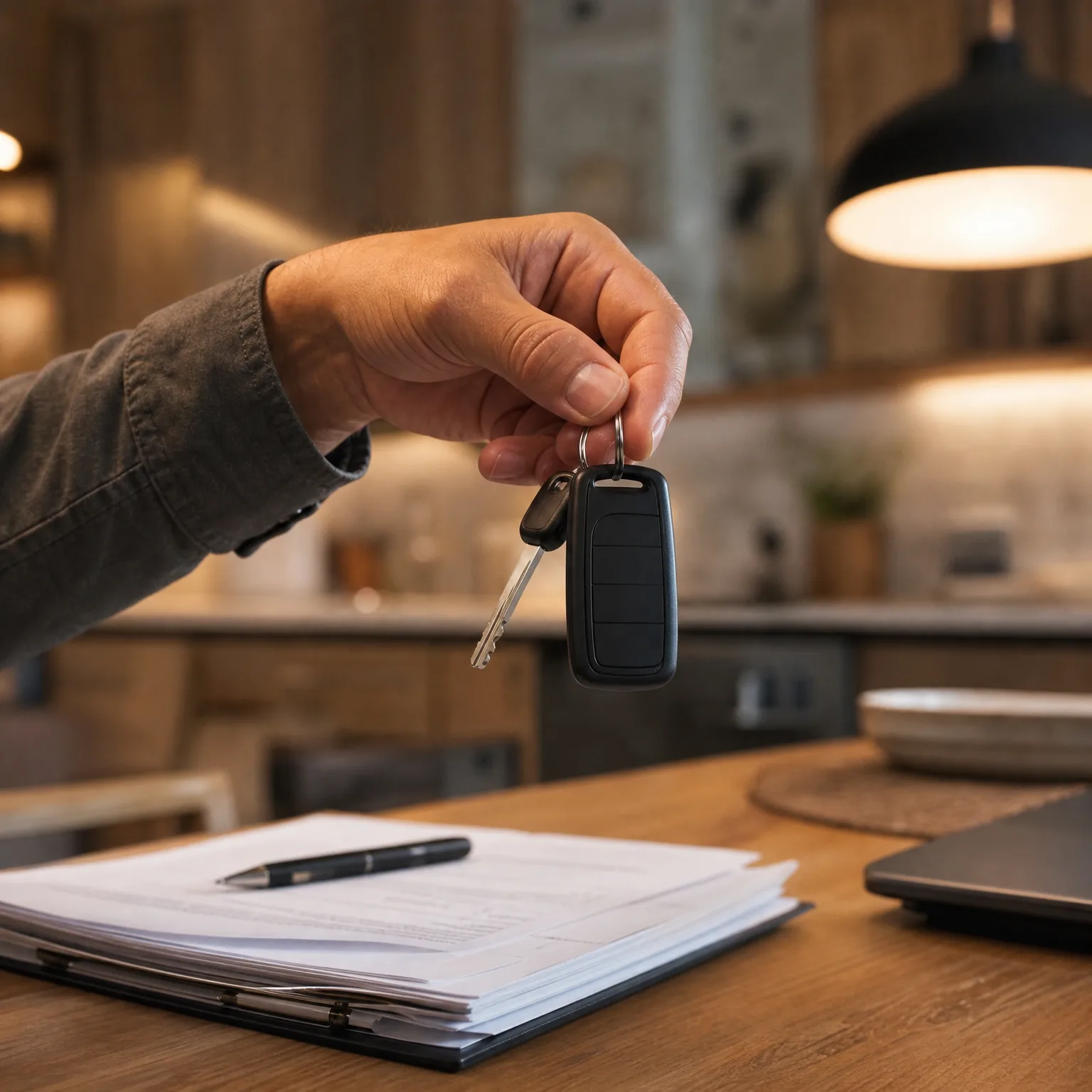
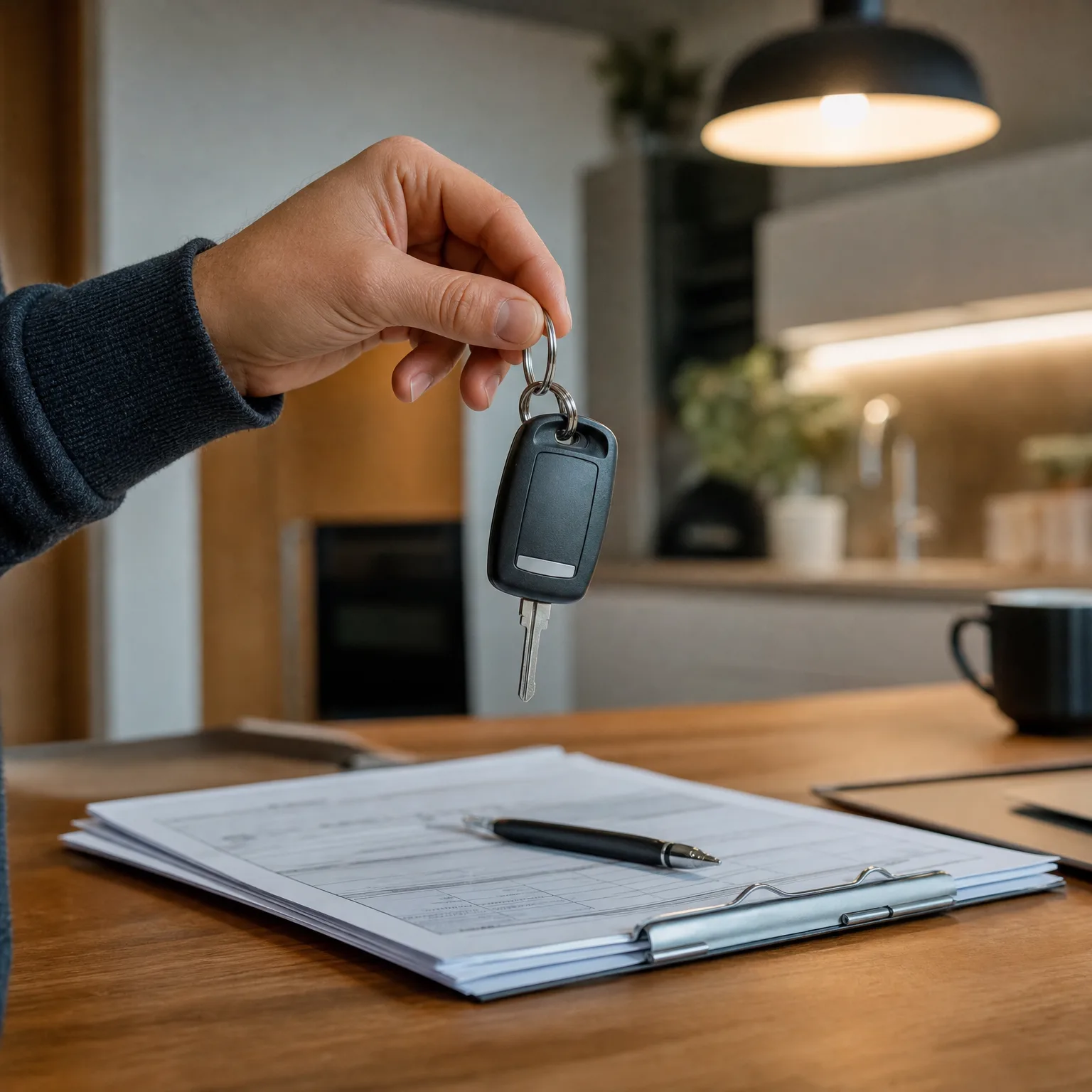


How Adding Full Coverage Affects Your Multi-Car Policy
When you add collision and comprehensive to one or more vehicles on a multi-car policy, the carrier re-rates the entire policy, not just the vehicles receiving the added coverage. The multi-car discount applies to the total premium, and adding full coverage to even one vehicle can shift the discount calculation because the base premium rises. This doesn't mean you lose the discount — it means the discount percentage applies to a higher starting figure, and the net result depends on how much the added coverage costs relative to the discount you already receive.
Most Wisconsin carriers writing multi-car policies offer a discount when you insure two or more vehicles on the same policy, typically requiring that all vehicles be garaged at the same address and titled to household members on the policy. Adding full coverage to the newest or most valuable vehicle while keeping the older cars on liability-only is a common structure, and it preserves the multi-car discount as long as every vehicle remains on the same policy. Splitting vehicles across separate policies to save money on full coverage usually backfires — you lose the multi-car discount entirely, and the combined premium across two policies often exceeds what you'd pay keeping everything together and selectively adding collision and comprehensive where it makes sense.
If you're adding a vehicle mid-term and deciding whether to carry full coverage on it, the timing matters. The carrier will re-rate the policy effective the date you add the car, and your premium adjusts immediately. Adding full coverage at that moment costs more than adding the vehicle with liability-only, but it's the right time to make the decision — waiting until renewal to add collision and comprehensive means you're unprotected in the interim, and a total loss in the first few months leaves you replacing the car out of pocket.
Some households drop collision and comprehensive on older vehicles at renewal to lower the premium, then discover the savings are smaller than expected because the multi-car discount recalculates on a lower base. The math still usually favors dropping coverage on a low-value car, but the net savings are the difference between the old premium and the new premium after the discount adjusts, not the full cost of the collision and comprehensive coverage you removed. Run the comparison before making the change — most carriers provide a re-quote showing the new premium structure if you adjust coverage on one or more vehicles.
15.6%
Wisconsin Uninsured Motorist Rate
More than one in seven drivers on Wisconsin roads carries no insurance. Uninsured motorist coverage is required by the state and protects you when an at-fault driver cannot pay, but it does not replace collision and comprehensive for protecting your own vehicles in all scenarios.
Insurance Information Institute, 2023
Comparing Carriers That Write Multi-Car Policies in Wisconsin
Wisconsin has 25 carriers writing auto insurance in the state, and most of them write multi-car policies with collision and comprehensive options. The carriers differ in how they calculate the multi-car discount, how they price collision and comprehensive by vehicle age and value, and which deductible options they offer. State Farm, Progressive, Allstate, American Family, and GEICO all write multi-car policies in Wisconsin and offer full-coverage options; smaller carriers like Dairyland and Bristol West specialize in non-standard auto and may price differently for households with older vehicles or mixed driving records.
When comparing carriers for a multi-car policy, request quotes with and without collision and comprehensive on each vehicle so you can see the cost difference vehicle by vehicle. Some carriers price full coverage more competitively on newer vehicles, others on older paid-off cars. The multi-car discount percentage also varies — one carrier's 20% multi-car discount on a higher base rate may cost more than another carrier's 15% discount on a lower starting premium. The only way to know which structure costs less for your specific household is to compare quotes with your actual vehicles, drivers, and coverage selections in place.
What to Do Right Now
List every vehicle your household insures, its current value, whether it's financed, and whether you could replace it out of pocket if it were totaled tomorrow. For financed vehicles, confirm you're carrying the collision and comprehensive coverage your lender requires. For paid-off vehicles worth more than a few thousand dollars, compare the annual cost of full coverage against the financial impact of replacing the car yourself — if the premium is a small fraction of the vehicle's value and you don't have savings set aside to replace it, full coverage is usually the right call. For older, low-value vehicles, calculate whether two years of collision and comprehensive premiums exceed the car's actual worth — if they do, liability-only makes more sense.
Request quotes from at least three Wisconsin carriers that write multi-car policies, and ask each to quote your household with full coverage on the vehicles where it makes sense and liability-only on the rest. Compare the total premium, the per-vehicle breakdown, and the multi-car discount each carrier applies. The lowest total premium with the coverage structure that fits your household is the policy that works. If you're adding a vehicle or adjusting coverage mid-term, contact your current carrier first to see how the change affects your premium before shopping elsewhere — keeping your existing policy and adjusting coverage is often simpler and faster than switching carriers, and the cost difference may be smaller than you expect.
When Full Coverage Makes Sense for Each Vehicle
If a vehicle is financed or leased, the lender requires collision and comprehensive — this is non-negotiable until the loan is satisfied.
Deductibles matter as much as the decision to carry coverage at all. A $500 or $1,000 deductible lowers your premium but increases what you pay out of pocket after a claim. If you choose full coverage on a vehicle, pick a deductible you can afford to pay without financial strain — a $1,000 deductible saves money on premium but only makes sense if you have $1,000 available when a claim happens. For households insuring multiple vehicles, staggering deductibles by vehicle value is common: a higher deductible on the oldest car, a moderate deductible on the mid-value sedan, and a lower deductible on the newest or most expensive vehicle.
Get Your Free Quote
Get My Wisconsin Car Insurance QuoteFrequently Asked Questions
Do I need full coverage on every car I insure in Wisconsin?
No. Full coverage is required only on financed or leased vehicles. For paid-off cars, the decision depends on each vehicle's value and whether you can afford to replace it out of pocket. Many Wisconsin households carry full coverage on newer or more valuable vehicles and liability-only on older, low-value cars.
What does full coverage car insurance include in Wisconsin?
Full coverage typically means a policy with Wisconsin's required liability and uninsured motorist coverage plus collision and comprehensive. Collision pays to repair your car after an accident regardless of fault. Comprehensive covers theft, weather damage, vandalism, and animal strikes. Neither collision nor comprehensive is required by state law.
Does Wisconsin require collision and comprehensive coverage?
No. Wisconsin requires bodily injury liability of $25,000 per person and $50,000 per accident, property damage liability of $10,000, and uninsured motorist coverage. Collision and comprehensive are optional unless your lender or lessor requires them as a condition of financing.
Can I drop full coverage on one car and keep it on another?
Yes, as long as the vehicle is paid off and not required by a lender to carry collision and comprehensive. Most Wisconsin carriers allow you to structure coverage differently for each vehicle on a multi-car policy. The multi-car discount still applies as long as all vehicles remain on the same policy.
How much does full coverage cost for multiple cars in Wisconsin?
The cost depends on each vehicle's value, age, your driving record, your location, and the deductibles you choose. Collision and comprehensive premiums are typically a fraction of each vehicle's value annually. Comparing quotes from multiple carriers with your specific vehicles and coverage selections is the only way to know what your household will pay.
Will I lose my multi-car discount if I drop collision on an older vehicle?
No. The multi-car discount applies as long as you insure two or more vehicles on the same policy, regardless of the coverage level on each car. Dropping collision and comprehensive on a low-value vehicle lowers your premium, and the multi-car discount recalculates on the new lower base.
What deductible should I choose for collision and comprehensive in Wisconsin?
Choose a deductible you can afford to pay out of pocket when a claim happens. A $500 or $1,000 deductible is common. Higher deductibles lower your premium but increase what you pay after an accident or comprehensive loss. For households with multiple vehicles, staggering deductibles by vehicle value is a practical approach.