
Full Coverage Car Insurance Carriers — Wisconsin
Free to compare
Which Carriers Write Full Coverage for Multiple Vehicles in Wisconsin
You own two or more vehicles in Wisconsin and need full coverage — collision, comprehensive, and liability combined — on every car. The question is not just which carrier writes full coverage, but which ones structure multi-vehicle policies so that every car on your policy qualifies for the same combined protection without splitting coverage across separate policies or forcing you to carry different coverage levels on different vehicles.
Wisconsin requires $25,000 bodily injury per person, $50,000 per accident, and $10,000 property damage as minimum liability. Full coverage adds collision (pays for damage to your car in an at-fault crash) and comprehensive (pays for theft, weather, vandalism, and animal strikes). When you insure multiple vehicles, the carrier's policy structure determines whether all cars sit on one policy with uniform coverage, or whether you're forced into separate policies that lose the multi-car discount and complicate claims.
“Carriers that require uniform coverage force you to carry full coverage on every car or split vehicles onto separate policies and lose the multi-car discount.”

See What Wisconsin Drivers Pay for the Coverage They Need
Get My Wisconsin Car Insurance Quote15 carriers
Wisconsin Full Coverage Writers
Fifteen carriers confirmed to write full coverage auto policies in Wisconsin as of current licensing records. Not all structure multi-vehicle policies identically — some require every vehicle to carry the same coverage levels, others allow mixed coverage on the same policy.
Wisconsin Office of the Commissioner of Insurance carrier licensing data
What Full Coverage Actually Means on a Multi-Car Policy
Full coverage is not a product name. It is shorthand for a policy that combines three coverage types: liability (required by Wisconsin law), collision, and comprehensive. Liability pays the other driver when you cause a crash. Collision pays to repair your car after an at-fault crash or a crash where the other driver is uninsured. Comprehensive pays when your car is stolen, damaged by hail or flooding, or hit by a deer.
When you insure multiple vehicles, full coverage means every car on the policy carries all three coverage types. Some carriers allow you to mix coverage — for example, carrying full coverage on a newer car and liability-only on an older one — on the same policy. Other carriers require uniform coverage across all vehicles, which forces you to carry collision and comprehensive on every car or split the cars onto separate policies.
The multi-car discount applies only when every vehicle sits on the same policy. If you split cars onto separate policies to avoid uniform-coverage requirements, you lose the discount on both policies. The structural decision is whether to find a carrier that allows mixed coverage on one policy, or to carry full coverage on every vehicle to preserve the discount.
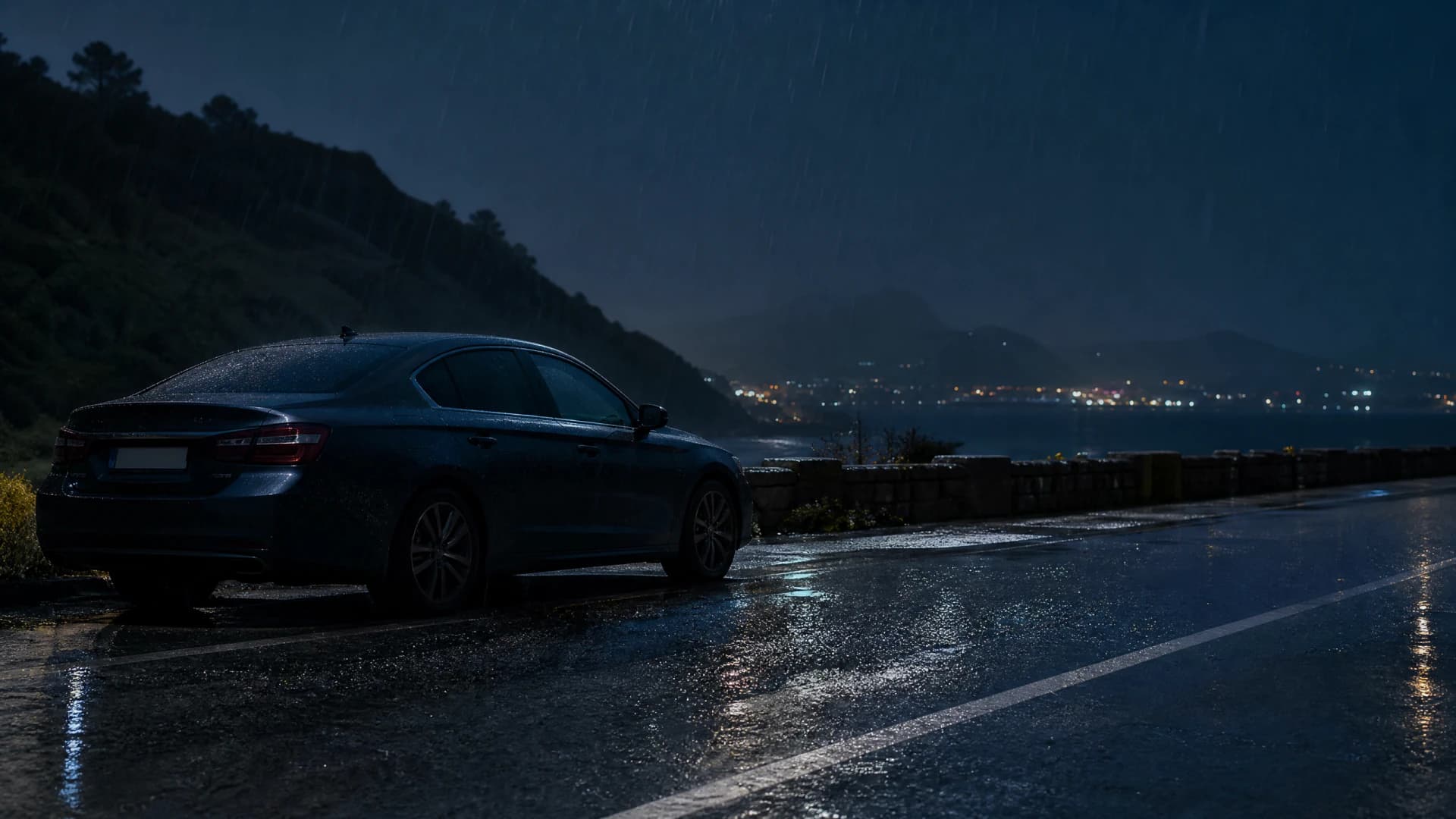
Carriers that require uniform coverage across all vehicles force you to choose: carry full coverage on every car, or split the cars onto separate policies and lose the multi-car discount.
Related Articles
How Policy Structure Affects Coverage Across Multiple Cars
The carrier's policy structure determines whether you can mix coverage levels on the same policy. If you own a 2022 sedan and a 2008 truck, you may want full coverage on the sedan and liability-only on the truck. Some carriers allow this on one policy. Others require every vehicle to carry the same coverage types, which means you either insure both vehicles with full coverage or split them onto separate policies.
When you split vehicles onto separate policies, you lose the multi-car discount on both. The discount typically reduces the premium by a percentage that applies to the combined policy, not to individual vehicles. Two separate policies pay full rate. One combined policy with mixed coverage — if the carrier allows it — preserves the discount and lets you tailor coverage to each vehicle's value.
Carriers that allow mixed coverage on one policy include Progressive, Geico, and Nationwide. These carriers let you select collision and comprehensive independently for each vehicle. Carriers that require uniform coverage include some regional and non-standard writers. If your household includes a high-value car and a low-value car, ask the carrier whether mixed coverage is permitted before you bind the policy.
The other structural question is whether the carrier requires all vehicles to be garaged at the same address. Most carriers do. If you own a car garaged at a second property — for example, a cabin or a college-town apartment — some carriers will not add it to the same policy as your primary-residence vehicles. In that case, you need a separate policy for the second-location vehicle, and the multi-car discount does not apply.
$25,000 / $50,000 / $10,000
Wisconsin Minimum Liability Limits
Wisconsin requires $25,000 bodily injury per person, $50,000 per accident, and $10,000 property damage. Full coverage adds collision and comprehensive on top of these liability minimums. Every vehicle on your policy must meet the state minimums; collision and comprehensive are optional but required by lenders if you finance or lease.
Wisconsin Department of Transportation
What Happens When You Add or Remove a Vehicle Mid-Term
Adding a vehicle to an existing multi-car policy re-rates the entire policy, not just the new car. The carrier recalculates the premium for all vehicles based on the updated household risk profile. If the new vehicle is high-value or driven by a young driver, the premium increase affects every car on the policy, not just the one you added.
Most carriers give you a grace period — typically 14 to 30 days — to report a newly purchased or titled vehicle. During the grace period, the new car is covered under your existing policy's liability, collision, and comprehensive limits. After the grace period expires, an unreported vehicle is not covered. If you total the car in a crash and never added it to the policy, the carrier denies the collision and comprehensive claims.
Compare Carriers That Write Your Household's Vehicles
The fifteen carriers listed above all write full coverage in Wisconsin, but not all of them write policies for every household. If one driver on your policy has a DUI, a non-standard carrier like Dairyland or Bristol West may be the only option. If every driver has a clean record, a preferred carrier like State Farm or Auto-Owners typically offers lower rates. If you want to mix coverage levels across vehicles, Progressive, Geico, and Nationwide allow it on one policy.
Request quotes from at least three carriers that write multi-vehicle policies in Wisconsin. Provide the same vehicle details, coverage selections, and driver information to each carrier so the quotes are comparable. The multi-car discount applies automatically when you add a second vehicle to the quote, but the discount percentage and the base rate both vary by carrier. See Wisconsin-specific coverage requirements and carrier options to confirm which carriers serve your county and household profile.
Carriers That Write Multi-Vehicle Full Coverage in Wisconsin
Standard and preferred carriers include State Farm, Geico, Progressive, Allstate, American Family, Nationwide, Travelers, Liberty Mutual, and Auto-Owners. These carriers write full coverage for households with clean or near-clean driving records and typically offer the multi-car discount when every vehicle sits on the same policy. State Farm and American Family are headquartered in the Midwest and write significant volume in Wisconsin. Geico and Progressive offer online quoting and allow you to compare coverage options for multiple vehicles in one session.
Non-standard carriers include Dairyland, Bristol West, The General, GAINSCO, and National General. These carriers write full coverage for drivers with violations, lapses, or non-standard risk profiles. If one driver on your policy has a DUI or a suspended license, a non-standard carrier may be the only option that writes full coverage for all household vehicles on one policy. Dairyland operates in 38 states and writes policies for high-risk drivers across Wisconsin.
Get Your Free Quote
Get My Wisconsin Car Insurance QuoteFrequently Asked Questions
Which car insurance companies offer full coverage in Wisconsin?
Fifteen carriers write full coverage in Wisconsin: State Farm, Geico, Progressive, Allstate, American Family, Nationwide, Travelers, Liberty Mutual, Auto-Owners, Dairyland, Bristol West, The General, GAINSCO, National General, and Root. Full coverage combines liability, collision, and comprehensive. Not all carriers allow mixed coverage levels on a multi-vehicle policy.
Can I have different coverage levels on different cars on the same policy in Wisconsin?
Some carriers allow mixed coverage on one policy; others require every vehicle to carry the same coverage types. Progressive, Geico, and Nationwide let you select collision and comprehensive independently for each vehicle. If your carrier requires uniform coverage, you either insure all vehicles with full coverage or split them onto separate policies and lose the multi-car discount.
What is the multi-car discount in Wisconsin and how does it work?
The multi-car discount reduces your premium when you insure two or more vehicles on the same policy. The discount applies to the combined policy premium, not to individual vehicles. If you split vehicles onto separate policies, you lose the discount on both. The discount percentage varies by carrier but typically requires all vehicles to be garaged at the same address and listed on one policy.
Do I need full coverage on every car I own in Wisconsin?
Wisconsin requires liability coverage on every registered vehicle. Collision and comprehensive are optional unless you finance or lease, in which case the lender requires them. If you own an older low-value car outright, you can carry liability-only on that car and full coverage on newer vehicles — if your carrier allows mixed coverage on one policy.
What happens if I add a car to my policy mid-term in Wisconsin?
Adding a vehicle re-rates your entire policy, not just the new car. Most carriers give you 14 to 30 days to report the new vehicle; during that grace period it is covered under your existing policy limits. After the grace period, an unreported vehicle is not covered. If you crash it before adding it to the policy, collision and comprehensive claims are denied.
Which Wisconsin carriers write full coverage for high-risk drivers with multiple cars?
Dairyland, Bristol West, The General, GAINSCO, and National General write full coverage for drivers with DUIs, suspensions, or lapses. These non-standard carriers accept multiple vehicles on one policy and offer the multi-car discount. If one driver on your household policy has a violation, a non-standard carrier may be your only option for full coverage across all vehicles.