Farmers Multi-Car Insurance — Wisconsin
Free to compare
Does Farmers Write Multi-Car Policies in Wisconsin
Farmers writes auto insurance in Wisconsin and accepts households with two or more vehicles on a single policy. The carrier operates as a standard-tier writer, meaning it serves drivers with clean to moderately complex records, and offers online quoting for multi-vehicle households. Farmers is licensed statewide and writes coverage that meets Wisconsin's minimum liability requirements: $25,000 bodily injury per person, $50,000 bodily injury per accident, and $10,000 property damage per accident.
The multi-vehicle discount at Farmers requires every car to sit on the same policy. If one vehicle is titled to a household member on a separate policy, or if a car is garaged at a different address, that vehicle does not count toward the same-policy requirement and the discount does not apply. This structure is standard across most carriers, but households combining policies after marriage or adding a newly-purchased car mid-term often miss the requirement and lose the discount without realizing it.
“A vehicle titled to someone on a different policy does not count toward the multi-car discount, even if that person lives in the same household.”
See What Wisconsin Drivers Pay for the Coverage They Need
Get My Wisconsin Car Insurance Quote$25,000 / $50,000 / $10,000
Wisconsin Minimum Liability Limits
Wisconsin requires $25,000 bodily injury per person, $50,000 bodily injury per accident, and $10,000 property damage per accident. Every vehicle on a Farmers multi-car policy must carry at least these minimums to meet state registration and proof-of-insurance rules.
Wisconsin Department of Transportation
How the Multi-Vehicle Discount Works at Farmers
The multi-vehicle discount reduces the premium for each car when two or more vehicles sit on the same policy. The discount is not a flat dollar amount—it is a percentage applied to each vehicle's base rate, which means the actual savings vary by the number of cars, the coverage levels selected, and each vehicle's rating factors.
Farmers applies the discount automatically when you add a second vehicle to an existing policy or when you quote a new policy with multiple cars listed. The discount does not require a separate application or enrollment step, but it does require that every vehicle share the same policy number and the same garaging address. A car titled to a household member who maintains a separate policy—common after marriage or when an adult child moves back home—does not qualify.
Adding a vehicle mid-term re-rates the entire policy rather than simply adding a flat amount. The multi-vehicle discount recalculates across all cars, and the new premium reflects the updated vehicle count, the new car's rating factors, and any change in household driver assignments. This re-rating can produce a smaller per-vehicle increase than expected, but it can also trigger a larger jump if the newly-added car carries higher risk factors than the existing vehicles.
A vehicle titled to someone on a different policy does not count toward the multi-car discount, even if that person lives in the same household.
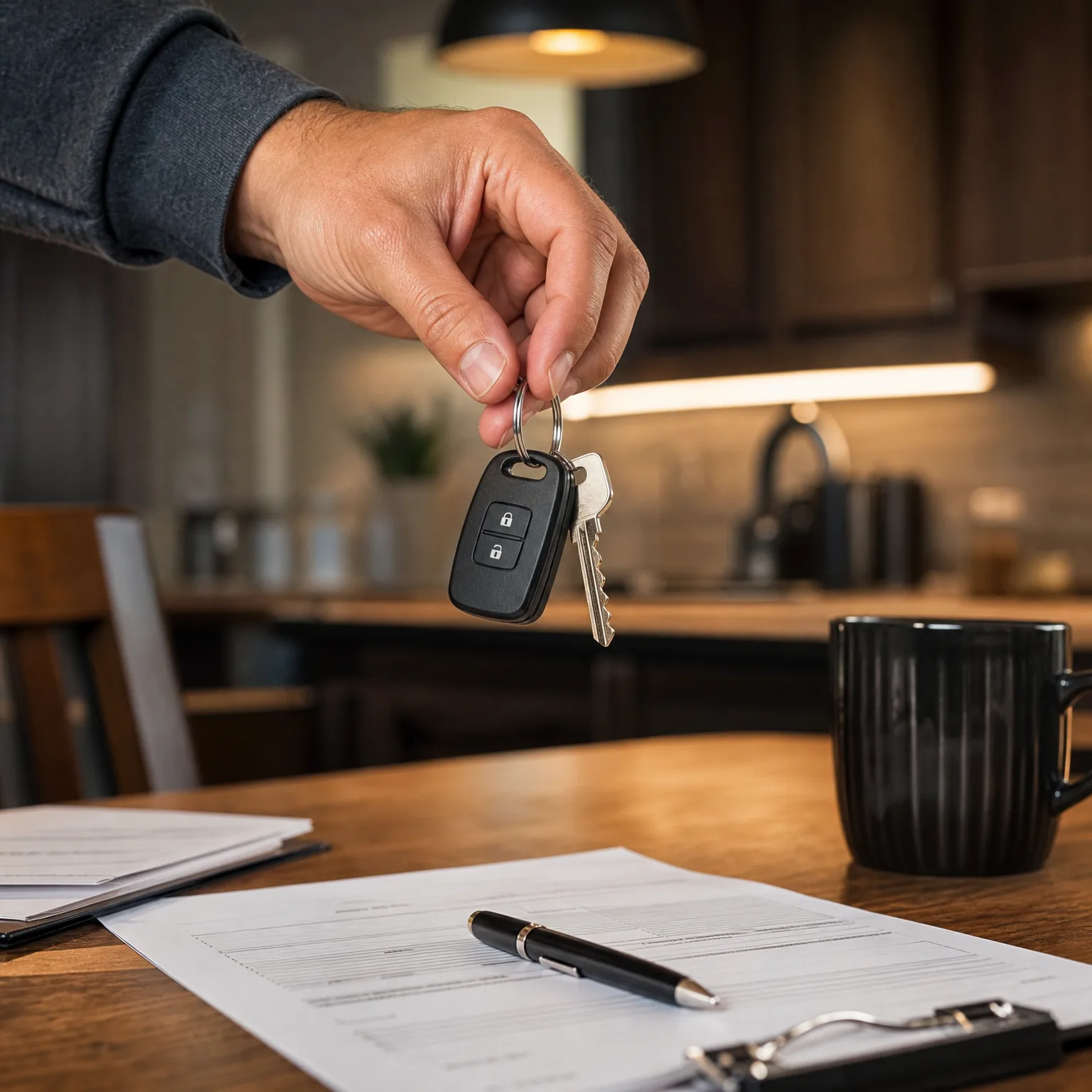
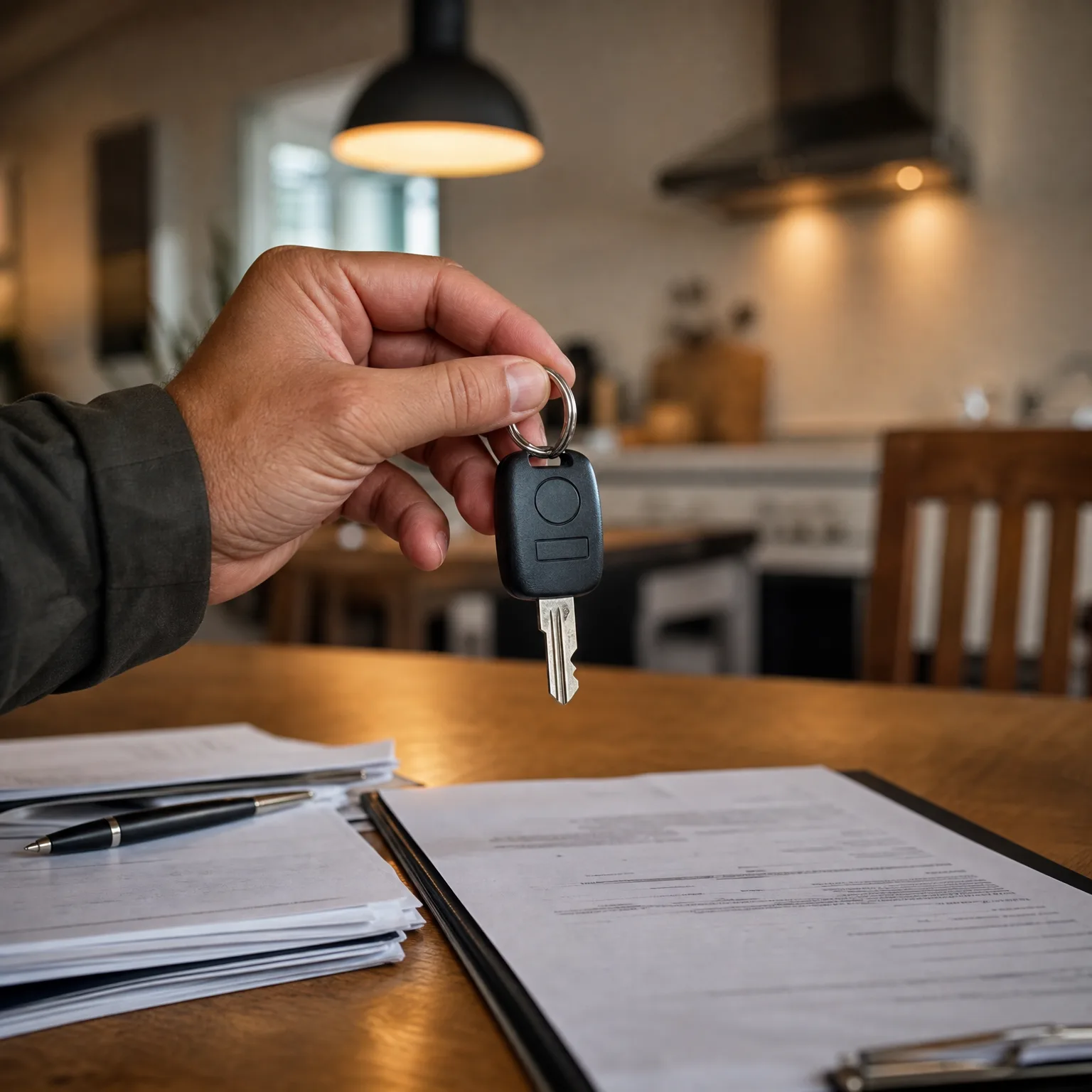
Adding a Vehicle Mid-Term and How It Changes Your Premium
When you add a vehicle to an existing Farmers policy mid-term, the carrier calculates a prorated premium for the new car covering the remaining term, then re-rates the entire policy to apply the updated multi-vehicle discount across all cars. This means your next bill reflects both the prorated cost of the new vehicle and the adjusted premium for the existing vehicles, which can produce a smaller increase than adding the new car's cost in isolation.
Farmers does not charge a mid-term policy fee for adding a vehicle, but the re-rating can shift the per-vehicle premium if the new car's rating factors—age, value, driver assignment, or coverage selections—differ significantly from the existing vehicles. A household adding a third car often sees a smaller per-vehicle increase than when adding the second car, because the multi-vehicle discount percentage grows with vehicle count.
Most carriers, including Farmers, provide a grace period during which a newly-purchased vehicle is automatically covered under the existing policy's liability and physical-damage coverages. Wisconsin does not mandate a specific grace period by statute, but Farmers typically extends coverage for 14 to 30 days after purchase, provided you report the vehicle within that window. Missing the window can result in a claim denial if an incident occurs before the vehicle is formally added.
15.6%
Wisconsin Uninsured Motorist Rate
15.6% of Wisconsin drivers are uninsured. Households with multiple vehicles should consider uninsured and underinsured motorist coverage on every car, because a single at-fault uninsured driver can produce claims across multiple vehicles in one incident.
Insurance Information Institute, 2023

Combining Two Policies After Marriage or a Move
Combining two separate Farmers policies into one multi-car policy after marriage or a household move requires both policyholders to contact Farmers and request a policy merge. Farmers will quote the combined policy with all vehicles and all drivers listed, then apply the multi-vehicle discount to the new policy. The combined premium is not simply the sum of the two prior premiums—it reflects the multi-vehicle discount, any household-driver reassignments, and the updated garaging address.
The timing of the merge matters. If one policy renews before the other, Farmers may require you to wait until both policies reach their renewal dates to avoid mid-term cancellation fees on the policy being closed. Alternatively, you can cancel one policy mid-term and move all vehicles to the other, but the cancelled policy may carry a short-rate penalty or a prorated refund that reduces the savings from combining. Compare the cost of waiting versus the cost of cancelling before deciding.
Compare Farmers Against Other Wisconsin Multi-Car Carriers
Farmers is one of 20 carriers writing auto insurance in Wisconsin, and it competes in the standard-tier segment alongside State Farm, Allstate, American Family, and Progressive. Households with multiple vehicles should compare quotes from at least three carriers, because the multi-vehicle discount structure, the base rate for each car, and the household-driver rating logic vary significantly across carriers. A smaller discount on a lower base rate can produce a better total premium than a larger discount on a higher base rate.
Wisconsin requires uninsured motorist coverage on every policy, and carriers price that coverage differently. Farmers includes uninsured motorist coverage as part of the base policy, but the per-vehicle cost for UM coverage varies by the number of cars on the policy and the coverage limits selected. Compare the total premium including UM coverage, not just the liability and physical-damage portions, to understand the true cost of insuring multiple vehicles. Use the site's comparison tool to request quotes from carriers writing multi-car policies in Wisconsin and see how Farmers' rate compares to the alternatives for your household's vehicle count and driver profile.
What Farmers Requires to Add a Second or Third Vehicle
Farmers accepts additions online, by phone, or through an agent. The carrier requires the VIN, the vehicle's year, make, and model, and the primary driver assignment for the new car. If the vehicle is titled to someone not currently listed on the policy, Farmers will add that person as a named insured or listed driver, which triggers a re-rating of the entire policy based on that driver's record, age, and violation history.
The garaging address for the new vehicle must match the address on the existing policy. If the car is garaged at a different location—common for a college student's car or a vehicle kept at a second home—Farmers may require a separate policy or may decline to extend the multi-vehicle discount to that car. Confirm the garaging address before adding the vehicle to avoid a mid-term adjustment or a denied discount.
Get Your Free Quote
Get My Wisconsin Car Insurance QuoteFrequently Asked Questions
Does Farmers offer a multi-car discount in Wisconsin?
Yes. Farmers applies a multi-vehicle discount automatically when two or more vehicles sit on the same policy at the same garaging address. The discount is a percentage applied to each vehicle's base rate, and the savings grow as you add more cars to the policy.
Can I add a vehicle to my Farmers policy online?
Yes. Farmers accepts vehicle additions online, by phone, or through an agent. You will need the VIN, the vehicle's year, make, and model, and the primary driver assignment for the new car. The carrier re-rates the entire policy when you add a vehicle mid-term.
What happens if I add a car mid-term to my Farmers policy?
Farmers calculates a prorated premium for the new car covering the remaining term, then re-rates the entire policy to apply the updated multi-vehicle discount across all cars. Your next bill reflects both the prorated cost of the new vehicle and the adjusted premium for the existing vehicles.
Does Farmers require every vehicle to be garaged at the same address?
Yes. The multi-vehicle discount at Farmers requires every car to share the same garaging address listed on the policy. A vehicle garaged at a different location may require a separate policy or may not qualify for the discount.
How do I combine two Farmers policies into one multi-car policy?
Contact Farmers and request a policy merge. The carrier will quote the combined policy with all vehicles and all drivers listed, then apply the multi-vehicle discount. The combined premium reflects the discount, any household-driver reassignments, and the updated garaging address, not simply the sum of the two prior premiums.
Does Farmers write SR-22 policies in Wisconsin?
Yes. Farmers writes SR-22 certificates in Wisconsin for drivers who need to reinstate a suspended license or obtain an occupational license. The SR-22 is a filing that proves you carry the state's minimum liability coverage, and Farmers files it electronically with the Wisconsin DMV.